 |
||||||||||||||||||||||||
|
||||||||||||||||||||||||
| Published on 2026-01-23 | ||||||||||||||||||||||||
| Rio2 Limited is a diversified precious metals and copper producer focused on building and operating mines with a management team that has proven technical skills as well as a successful capital markets track record. The Company is currently producing gold at its Fenix Gold heap leach mine in Chile and copper/gold/silver at its recently acquired Condestable underground mine in Peru. Rio2 and its wholly owned subsidiaries, Fenix Gold Limitada and Compañia Minera Condestable S.A., are companies that operate with the highest environmental standards and responsibility with the firm conviction that it is possible to develop mining projects that respect the three pillars (Social, Environment, Economics) of responsible development. As related companies, we reaffirm our commitment to apply environmental standards beyond those mandated by regulators, seeking to protect and preserve the environment in the territories where we operate. | ||||||||||||||||||||||||
| Disclaimer and Forward Looking Statements | ||||||||||||||||||||||||
| Company Profile | ||||||||||||||||||||||||
| Organizational Profile | ||||||||||||||||||||||||
| Name | RIO2 Limited | |||||||||||||||||||||||
| Describe nature of activities, brands, products and services | Rio2 is currently focused on ramping up operations at its Fenix Gold Mine, located in Chile, to 20,000 tonnes per day of ore to pad over the remainder of 2026. Based on the current ramp-up plan, Rio2 is targeting gold production of 60,000 to 70,000 ounces for 2026. The project will initially operate as a medium-sized mine to generate cash flow, and the Company expects to subsequently expand to an optimal size, incorporating improvements in technology and addressing climate change. The Fenix Gold Project comprises ~5 million oz of gold, and it is expected to produce ~100,000 oz of gold per year in Stage 1, with the potential to increase to 300,000 oz of gold per year in Stage 2. | |||||||||||||||||||||||
| Link to Corporate Website | https://www.rio2.com/ | |||||||||||||||||||||||
| Industry Classifications |
NAICS: 21222 Gold and silver ore mining 212220 Gold and silver ore mining ISIC: B0729 Mining of other non-ferrous metal ores |
|||||||||||||||||||||||
| Type of Operations | Exclusively non-producing operations | |||||||||||||||||||||||
| Company Headquarters | Vancouver, Canada | |||||||||||||||||||||||
| ESG Accountability | ||||||||||||||||||||||||
| Role of highest authority within the company for Environment, Social and Governance strategy, programs and performance | Board of Directors (BoD) | |||||||||||||||||||||||
| The name of the highest authority, if applicable | Alex Black, Executive Chairman of the Board | |||||||||||||||||||||||
| GRI Reporting Requirements | ||||||||||||||||||||||||
|
Choose the statement as to how the organization has aligned their reporting utilizing GRI Standards |
The organization has reported in accordance with the GRI Standards for the period defined below | |||||||||||||||||||||||
| ESG Reporting Period | ||||||||||||||||||||||||
| Unless otherwise noted, all data contained in this report covers the following period | ||||||||||||||||||||||||
| From | 2025-01-01 | |||||||||||||||||||||||
| To | 2025-12-31 | |||||||||||||||||||||||
| External Assurance | ||||||||||||||||||||||||
| Describe your company's policy and practice for seeking external assurance, including whether and how the highest governance body and senior executives are involved | The Company's Fenix Gold Mine started producing in January 2026, so during the reporting year, there were no active operations, and hence the Company did not obtain external assurance. | |||||||||||||||||||||||
| Are the highest governance body and senior executives involved | Yes | |||||||||||||||||||||||
| Describe how the highest governance body and senior executives are involved | The report is reviewed and approved by the Board of Directors of Rio2 on recommendation of the HSC Committee. | |||||||||||||||||||||||
| Has the report been externally assured | No | |||||||||||||||||||||||
| Financial Reporting Period | ||||||||||||||||||||||||
| Does the financial reporting period align with the sustainability reporting period (e.g. calendar vs fiscal) | Yes | |||||||||||||||||||||||
| Geographic Scope of Report | ||||||||||||||||||||||||
| Unless otherwise noted, the data in this report covers sustainability matters related to the following locations of operations | Chile | |||||||||||||||||||||||
| Identify notable exclusions of the geographical and/or business scope of the report, and reference of any existing or planned reports that do or will address these (e.g., assets recently divested or acquired, non-managed joint ventures, specific exploration activities, recently closed sites, etc.) | There are no geographic or operational exclusions in this report. | |||||||||||||||||||||||
| Reporting Practice | ||||||||||||||||||||||||
| Provide a list of all legal entities included in its sustainability reporting | For the year 2025 Rio2 has chosen to report results only for its operational subsidiaries, Fenix Gold Limitada and Lince S.A., for sustainability reporting and materiality issues. This approach differs from Rio2's financial statements, which disclose information on all five subsidiaries including Rio2 S.A.C., Rio2 Exploraciones S.A.C., and Rio2 Cayman Islands Limited. The sustainability reporting scope focuses on operating assets rather than the complete consolidated group. | |||||||||||||||||||||||
| Does the organization have audited consolidated financial statements or financial information filed on public record | Yes | |||||||||||||||||||||||
| If the organization has audited consolidated financial statements or financial information filed on public record, specify the differences between the list of entities included in its financial reporting and the list included in its sustainability reporting | Rio2 has chosen to report results only for its operational subsidiaries, Fenix Gold Limitada and Lince S.A., for sustainability reporting and materiality issues. This approach differs from Rio2's financial statements, which disclose information on all five subsidiaries including Rio2 S.A.C., Rio2 Exploraciones S.A.C., and Rio2 Cayman Islands Limited (formerly Rioi2 Bahamas Limited). The sustainability reporting scope focuses on operating assets rather than the complete consolidated group. | |||||||||||||||||||||||
| Does the organization consist of multiple entities | Yes | |||||||||||||||||||||||
| If the organization consists of multiple entities, explain the approach used for consolidating the information | Rio2's financial statements disclosed information on its five subsidiaries as of 2025. For sustainability reporting and materiality issues, Rio2 discloses information on the two legal entities reported above. | |||||||||||||||||||||||
| Does the approach involve adjustments to information for minority interests | No | |||||||||||||||||||||||
| How does the approach take into account mergers, acquisitions, and disposal of entities or parts of entities | Yes, Rio2's financial statements include account mergers, acquisitions, and disposal of entities or parts of entities as applicable to the company. | |||||||||||||||||||||||
| Does the approach used for consolidating the information differ across the disclosures in this Standard (GRI 2) and across material topics | No | |||||||||||||||||||||||
| Please refer to the answer above. | ||||||||||||||||||||||||
| Explain whether and how the approach differs across the disclosures in this Standard and across material topics | Rio2's financial statements disclose information on all six of the company's legal entities. For sustainability reporting and materiality issues, Rio2 discloses information on its operating assets. | |||||||||||||||||||||||
| Report what are the restatements and the reasons for restatements, if any, from previous reporting periods | No restatement | |||||||||||||||||||||||
| Explain the effect of such restatements, if any | Does not apply. | |||||||||||||||||||||||
| Provide the full contact details (name, title, address, email and/or phone number) for an individual responsible to address questions regarding the report or its contents |
Alejandra Gomez, SVP Corporate Communications. alejandra.gomez@rio2.com |
|||||||||||||||||||||||
| Currency | ||||||||||||||||||||||||
| Unless otherwise noted, all financial figures referenced in this report are in the following currency | USD | |||||||||||||||||||||||
| Membership of Associations | ||||||||||||||||||||||||
| List of the industry associations, other membership associations, and national or international advocacy organizations in which the organisation participates in a significant role, as well as any economic, environmental, and social charters, principles, or other programmes that the organisation subscribes to or supports, such as the United Nations Global Compact (UNGC), etc. |
Fenix Gold, a subsidiary of Rio2, is an associate of the following entities: • The National Mining Society of Chile (SONAMI), an institution that brings together and represents large, medium and small-scale metallic and non-metallic mining activity in Chile. • Corporation for the Development of Atacama (CORPROA), a non-profit private institution made up of regional companies and entrepreneurs whose purpose is to design, promote, execute and support sustainable regional development strategies that raise the quality of life of the population in the Atacama Region. • ACHS (Chilean Safety Association), a non-profit private law corporation whose role is to develop risk prevention programs and provide health coverage and compensation associated with work accidents, travel accidents, and occupational diseases. • CORESEMIN (Regional Committee for Mining Safety), a non-profit institution, aimed at disseminating and promoting the culture of Safety, Occupational Health and Sustainability, in all areas of the Atacama Region. The member companies of CORESEMIN Atacama correspond to mining companies and mining services. • The Chilean-Canadian Chamber of Commerce is a private, non-profit trade association that promotes the progressive development of commercial relations between Chile and Canada and enhances business opportunities between the two countries. |
|||||||||||||||||||||||
| Scale of the Organization | ||||||||||||||||||||||||
| Nature of corporate ownership | Publicly owned | |||||||||||||||||||||||
| Legal form of corporate ownership | Incorporated entity | |||||||||||||||||||||||
| Describe how the organization defines its "Operation" and the sector(s) in which it is active | For the purpose of this 2025 annual report, the "Operation" is defined as the Fenix Gold project. | |||||||||||||||||||||||
| Report the total number of operations | 1 | |||||||||||||||||||||||
| The organization's definition used for ‘mine site’ | For this report, Rio2 considers as ‘the mine’ the Fenix Gold Mine, located approximately 117 Km (straight-line) northeast of Copiapó City (III Region Capital) and approximately 50 Km west of Chile´s border with Argentina. The Project is located along the western flanks of the Chilean Andes at a mean elevation of approximately 4,500 m. | |||||||||||||||||||||||
| Fragile and Conflict-Affected Situations | ||||||||||||||||||||||||
| Identify all of the entity's countries of operations that align with the World Bank's list of "Fragile and Conflict-Affected Situations" | None | |||||||||||||||||||||||
| Mineral Resource Types in Scope | ||||||||||||||||||||||||
| Which of the following mineral resource types are covered by this report |
|
|||||||||||||||||||||||
| Mineral Reserve Types in Scope | ||||||||||||||||||||||||
| Which of the following mineral reserve types are covered by this report |
|
|||||||||||||||||||||||
| Strategy | ||||||||||||||||||||||||
| Corporate Purpose, Vision, Mission and Values; statements of sustainability/ESG strategy |
https://www.rio2.com/responsibility MISSION To develop and operate mining projects efficiently, safely, and responsibly through the best team of people, promoting a culture of integration and collaboration. PURPOSE Overcome the challenges of modern mining with practical and innovative solutions, inclusion, and empathy, for a better world. VISION To be a mining company respected for its perseverance in developing innovative and responsible projects in the Americas, generating sustainable value for our shareholders, employees, and society. VALUES - Respect -Integrity -Collaboration -Innovation -Perseverance |
|||||||||||||||||||||||
| Provide a statement from the highest governance body or most senior executive of the organization (i.e., CEO, chair, or equivalent senior position) about the relevance of sustainable development to the organization and its strategy for contributing to sustainable development. (CEO's message for this report) | Please see attached Letter from Andrew Cox, President & CEO of Rio2 Limited. | |||||||||||||||||||||||
 |
||||||||||||||||||||||||
| 2025 Letter from CEO | ||||||||||||||||||||||||
| Material Topics | ||||||||||||||||||||||||
| Governance of Material Topics | ||||||||||||||||||||||||
| Describe the process followed to determine the organization's material topics | Rio2 followed a four-phase process to determine material topics for the Fenix Gold Project. In Phase 1, the company reviewed and analyzed standards, guides, and documentation applicable to national and international mining sectors. Phase 2 involved identification of actual and potential impacts through evaluation of project risks, substantial stakeholder dialogue, and technical, environmental, and economic analyses. Phase 3 included formal stakeholder engagement where the company consulted with communities, government authorities, and other relevant actors to consider their concerns and expectations. In Phase 4, the company's Communications, Environmental, and Social teams prioritized the most significant and relevant issues. The company determined materiality using management experience in mine project development, information from external consultancy firms engaged during Environmental Impact Study preparation, and public information as reference points. Views informing this process were obtained from civil society organizations, governments, and local communities. Material topics identified for 2025 include biodiversity impacts, indigenous rights and cultural land use, and water use and supply. | |||||||||||||||||||||||
| How did the organization identify the material topics |
|
|||||||||||||||||||||||
| How did the organization prioritize the impacts based on their significance | Materiality was determined by the Company's management's experience in mine project development and information obtained from various external consultancy firms at the Company's request while producing the Environmental Impact Study for the Fenix Gold Project. The Company also used public information as a reference. | |||||||||||||||||||||||
| Specify the stakeholders and experts whose views have informed the process of determining its material topics and provide details |
|
|||||||||||||||||||||||
|
List the organization's material topics |
|
|||||||||||||||||||||||
|
List the organization's non-material topics |
|
|||||||||||||||||||||||
| Report changes to the list of material topics compared to the previous reporting period |
During the reporting period, “Environmental Assessment” was not considered a material topic because the RCA approved the EIA and related permits for the Fenix Project before the period began. Climate Change was identified as a new material topic because the project's altitude, climatic variability, and history of extreme weather events may impact the supply chain and site accessibility. |
|||||||||||||||||||||||
| Material Topic 1 | ||||||||||||||||||||||||
| Material topic identified | Biodiversity. | |||||||||||||||||||||||
| An explanation of why the topic is material; describe the actual and potential, negative and positive impacts on the economy, environment, and people, including impacts on their human rights | The Fenix Gold Project intersects with ecologically sensitive high-altitude habitats that support both endemic reptiles and vulnerable macrofauna, including guanacos, vicuñas, and chinchillas. These species are vital to the region´s biodiversity and are recognized under national conservation laws. | |||||||||||||||||||||||
|
Where the impacts occur |
In the project area where infrastructure development and mining activities intersect with critical habitats for protected species. | |||||||||||||||||||||||
| The organization’s involvement with the impacts. e.g., whether the organization has caused or contributed to the impacts, or is directly linked to the impacts through its business relationships | Fenix Gold has a direct influence through its operations and infrastructure siting. | |||||||||||||||||||||||
| Report whether the organization is involved with the negative impacts through its activities or as a result of its business relationships, and describe the activities or business relationships | Organization's activities | |||||||||||||||||||||||
| Describe/provide a link to the corporate policies or commitments regarding the topic | Fenix Gold complied with Chile’s Environmental Framework Law (Ley 19.300) and the procedural requirements of the Servicio de Evaluación Ambiental (SEA) by conducting updated ecological baseline studies and resubmitting a revised Environmental Impact Assessment (EIA). These actions were taken specifically to address deficiencies in biodiversity data, particularly concerning endemic reptile species and macrofauna such as guanacos, vicuñas, and chinchillas. The company also followed protocols to assess potential impacts on habitats classified as sensitive or critical and incorporated monitoring and mitigation measures into the approved EIA. The SEA accepted the revised documentation and granted the Environmental Qualification Resolution in 2024, indicating full compliance with biodiversity-related obligations under Chilean law. | |||||||||||||||||||||||
| Explain how the organization manages the topic and actions to prevent or mitigate potential negative impacts |
*Controlled disturbance of reptiles (individual deterrence/hazing) in linear works. • Expanded fauna studies during the EIA appeal • Relocation and monitoring plans for endemic reptiles • Avoidance of ecologically sensitive zones • Monitoring protocols and baseline updates |
|||||||||||||||||||||||
| Describe actions to address actual negative impacts, including actions to provide for or cooperate in their remediation | Fenix Gold manages actual negative impacts through the exclusive use of authorized areas, area clearance procedures, controlled disturbance, wildlife rescue and relocation, particulate matter control, signage, training, and ongoing environmental monitoring. | |||||||||||||||||||||||
| Describe actions to manage actual and potential positive impacts | Fenix Gold seeks to maximize positive impacts by protecting sensitive species, monitoring wildlife and vegetation, training workers and contractors, strengthening environmental controls, and generating information to support adaptive biodiversity management. | |||||||||||||||||||||||
| Report the processes used to track the effectiveness of the actions; |
|
|||||||||||||||||||||||
| The Company has follow-up and monitoring plans for fauna. The results of monitoring and follow-up must be reported on an ongoing basis to the competent authorities, in accordance with the provisions of the RCA. | ||||||||||||||||||||||||
| Report the goals, targets, and indicators used to evaluate progress | Not formally disclosed | |||||||||||||||||||||||
| Report the effectiveness of the actions, including progress toward the goals and targets; any related adjustments | Too early in the implementation phase to report effectiveness. | |||||||||||||||||||||||
| Lessons learned and how these have been incorporated into the organization’s operational policies and procedures | Too early in the implementation phase to report effectiveness. | |||||||||||||||||||||||
| Describe how engagement with stakeholders has informed the actions taken and how it has informed whether the actions have been effective |
EIA revisions incorporated input from environmental regulators. All commitments require the preparation of reports, which are uploaded to the SMA platform, a publicly accessible system. |
|||||||||||||||||||||||
| Material Topic 2 | ||||||||||||||||||||||||
| Material topic identified | Water and effluents. | |||||||||||||||||||||||
| An explanation of why the topic is material; describe the actual and potential, negative and positive impacts on the economy, environment, and people, including impacts on their human rights | For the current reporting period, water use and storage are not a material issue. However, this will change significantly during the operation phase. The project is projected to consume a substantial amount of water, which will be trucked into a hyper-arid region. This will inevitably lead to increased logistical emissions and poses potential reputational challenges. The water for the process will be treated industrial wastewater sourced from the commune of Copiapó. We are also actively evaluating alternative water sources from Stage 2 desalination projects. | |||||||||||||||||||||||
|
Where the impacts occur |
Water source zones, public roads, and on-site process circuits. | |||||||||||||||||||||||
| The organization’s involvement with the impacts. e.g., whether the organization has caused or contributed to the impacts, or is directly linked to the impacts through its business relationships | Fenix Gold will be responsible for water acquisition and consumption. | |||||||||||||||||||||||
| Report whether the organization is involved with the negative impacts through its activities or as a result of its business relationships, and describe the activities or business relationships | Organization's activities | |||||||||||||||||||||||
| Describe/provide a link to the corporate policies or commitments regarding the topic |
Fenix Gold complied with Chilean environmental regulations governing water use and sourcing, including the Environmental Framework Law (Law 19,300) and relevant sectoral standards for industrial water consumption and third-party supply. The company declared all water volumes and supply logistics in its Environmental Impact Assessment (EIA) and confirmed no groundwater extraction would occur for the process. All water used will be obtained from authorized third-party suppliers and delivered by truck, aligning with applicable licensing and contractual requirements. Additionally, the company has a plan to explore the use of desalinated water as a long-term water security solution. |
|||||||||||||||||||||||
| Explain how the organization manages the topic and actions to prevent or mitigate potential negative impacts |
• Use of treated wastewater • Operational water tracking • Closed-loop systems • Zero discharge from process plant • Evaluation of desalination pipeline |
|||||||||||||||||||||||
| Describe actions to address actual negative impacts, including actions to provide for or cooperate in their remediation |
• Closed-loop systems • Zero discharge from process plant • The project will not utilize any local surface or groundwater for its operations |
|||||||||||||||||||||||
| Describe actions to manage actual and potential positive impacts | The pipeline initiative offers potential for long-term efficiency and decarbonization. | |||||||||||||||||||||||
| Report the processes used to track the effectiveness of the actions; |
|
|||||||||||||||||||||||
| Report the goals, targets, and indicators used to evaluate progress | It will be defined for the operation phase. | |||||||||||||||||||||||
| Report the effectiveness of the actions, including progress toward the goals and targets; any related adjustments | Pending future phases. | |||||||||||||||||||||||
| Lessons learned and how these have been incorporated into the organization’s operational policies and procedures | Reliance on trucking poses long-term scaling risks. Pipeline planning is a response to logistical and environmental concerns | |||||||||||||||||||||||
| Describe how engagement with stakeholders has informed the actions taken and how it has informed whether the actions have been effective | Potential impacts associated with water transport were identified during Indigenous consultations and assessed through the EIA evaluation process. | |||||||||||||||||||||||
| Material Topic 3 | ||||||||||||||||||||||||
| Material topic identified | Climate change, adaptation and resilience. | |||||||||||||||||||||||
| An explanation of why the topic is material; describe the actual and potential, negative and positive impacts on the economy, environment, and people, including impacts on their human rights | Fenix Gold’s location in a high-altitude, arid region with extreme weather conditions increases its vulnerability to climate-related physical risks. These risks include disruptions to access, supply chains, operational continuity, personal safety, and environmental management. Adaptation and resilience strategies are designed to anticipate these challenges and enhance the project’s response capabilities. | |||||||||||||||||||||||
|
Where the impacts occur |
The primary impacts occur in the Fenix Gold Project area, including its access roads, logistics routes, operational facilities, and supply chain for transporting supplies, water, fuel, personnel, and critical materials. | |||||||||||||||||||||||
| The organization’s involvement with the impacts. e.g., whether the organization has caused or contributed to the impacts, or is directly linked to the impacts through its business relationships | The organization is directly affected by these impacts because of the project’s location and its operational and logistical activities. While Fenix Gold does not contribute to global climate change, it may experience its physical effects and must address these risks through planning, emergency preparedness, business continuity, and coordination with contractors and suppliers. | |||||||||||||||||||||||
| Report whether the organization is involved with the negative impacts through its activities or as a result of its business relationships, and describe the activities or business relationships | Other, please specify | |||||||||||||||||||||||
| Describe/provide a link to the corporate policies or commitments regarding the topic | Fenix Gold does not yet have a formal climate adaptation policy. However, the company addresses this issue through environmental commitments, emergency plans, operational risk management, and business continuity measures, all formalized in the RCA. | |||||||||||||||||||||||
| Explain how the organization manages the topic and actions to prevent or mitigate potential negative impacts | The organization addresses physical climate risks, especially extreme weather events that may impact project access, personnel safety, and the supply chain. Actions include operational planning, emergency preparedness, contractor coordination, and weather monitoring. | |||||||||||||||||||||||
| Describe actions to address actual negative impacts, including actions to provide for or cooperate in their remediation | Fenix Gold mitigates potential negative impacts by implementing emergency response plans, operational controls, logistical coordination, and clear communication with contractors. Preventive measures are in place to minimize disruptions to access, supplies transportation, and business continuity. The company also continuously monitors weather conditions. | |||||||||||||||||||||||
| Describe actions to manage actual and potential positive impacts | These actions aim to improve identification of physical climate risks, strengthen operational planning, and provide information to support more targeted adaptation measures during ramp-up and operations. | |||||||||||||||||||||||
| Report the processes used to track the effectiveness of the actions; |
|
|||||||||||||||||||||||
| Report the goals, targets, and indicators used to evaluate progress | Fenix Gold has not yet established formal objectives or targets for climate adaptation and resilience. Currently, monitoring is limited to operational indicators, including access continuity, weather conditions, incidents from extreme events, logistical disruptions, and emergency response effectiveness. | |||||||||||||||||||||||
| Report the effectiveness of the actions, including progress toward the goals and targets; any related adjustments | The effectiveness of these actions is primarily assessed by monitoring weather events, operational continuity, emergency response, and logistical coordination. We are still in the early stages, and no progress has yet been reported toward specific formal goals. | |||||||||||||||||||||||
| Lessons learned and how these have been incorporated into the organization’s operational policies and procedures | We are incorporating lessons learned into operational planning, contractor coordination, emergency plans, and project access controls. The project remains in its early stages. | |||||||||||||||||||||||
| Describe how engagement with stakeholders has informed the actions taken and how it has informed whether the actions have been effective | As we are in the early planning stages, it is too soon to evaluate effectiveness. | |||||||||||||||||||||||
| Describe commitments to provide for or cooperate in the remediation of negative impacts that the organization identifies it has caused or contributed to | Rio2 Limited is committed to remediating the negative impacts identified in the Environmental Impact Assessment for the Fenix Gold Project, which was approved by Chilean authorities in 2024. The company has established protocols to address biodiversity impacts, including controlled disturbance for endemic reptile species, relocation and monitoring plans, avoidance of ecologically sensitive zones, and regular monitoring and baseline updates. For indigenous communities, Rio2 has conducted formal consultations with six Colla communities in compliance with Chilean environmental law, incorporated culturally sensitive areas into project design, and established Voluntary Cooperation Agreements covering employment, health, and productive development. For water management, the company will use closed-loop systems with zero discharge from the process plant and will not use local surface or groundwater. All remediation actions comply with the Environmental Qualification Resolution and regulatory requirements. Effectiveness will be evaluated during operations through internal audits and ongoing compliance monitoring, with results reported to the relevant authorities. | |||||||||||||||||||||||
| Describe the approach to identify and address grievances, including the grievance mechanisms that the organization has established or participates in | Please see the attached Fenix Gold Grievance Management Program. | |||||||||||||||||||||||
|
|
||||||||||||||||||||||||
| Grievance Management Program | ||||||||||||||||||||||||
| If the management of material topics includes grievance mechanism(s), describe how the stakeholders who are the intended users of the grievance mechanisms are involved in the design, review, operation, and improvement of these mechanism(s) | Indigenous communities, as indicated in the approved RCA for the Fenix Gold project | |||||||||||||||||||||||
| Ownership of the grievance mechanism | Community Relations office of Fenix Gold. | |||||||||||||||||||||||
| The purpose of the grievance mechanism and its relationship to other grievance mechanisms | To comply with RCA. | |||||||||||||||||||||||
| The organization’s activities that are covered by the grievance mechanism | None. | |||||||||||||||||||||||
| The intended users of the grievance mechanism | Colla Indigenous Communities in Chile. | |||||||||||||||||||||||
| How the grievance mechanism is managed | Please see Fenix Gold Grievance Management Program. | |||||||||||||||||||||||
| The process to address and resolve grievances, including how decisions are made | Fenix Gold Grievance Management Program. | |||||||||||||||||||||||
| The effectiveness criteria used in the grievance mechanism | Fenix Gold Grievance Management Program. | |||||||||||||||||||||||
| The total number of grievances filed through the mechanism during the reporting period | 0 | |||||||||||||||||||||||
| The number of grievances that were addressed (or reviewed) during the reporting period | 0 | |||||||||||||||||||||||
| Percentage of grievances that were addressed (or reviewed) during the reporting period | Does Not Apply | |||||||||||||||||||||||
| The number of grievances that were resolved during the reporting period | 0 | |||||||||||||||||||||||
| Percentage of grievances that were resolved during the reporting period | Does Not Apply | |||||||||||||||||||||||
| The number of grievances filed through the mechanism prior to the reporting period that were resolved during the reporting period | 0 | |||||||||||||||||||||||
| Average time to investigate and resolve grievances (days) | 3 | |||||||||||||||||||||||
| Respond to concerns within 30 days. If a finding presents a high social risk, contact the issuer within 72 hours. | ||||||||||||||||||||||||
| The number of grievances that were resolved by remediation | 0 | |||||||||||||||||||||||
| For the grievances that were resolved by remediation - how remedy was provided | Does not apply. | |||||||||||||||||||||||
| Describe other processes by which the organization provides for or cooperates in the remediation of negative impacts that it identifies it has caused or contributed to | Additionally, Fenix Gold organizes permanent working groups under the RCA and the Agreement. These groups include stakeholder participation, specifically the Colla Indigenous Communities, and maintain detailed meeting minutes. During these meetings, we assess needs, receive concerns and complaints, and set response deadlines in accordance with the established flowchart. All actions are documented in the meeting minutes and agreements to ensure effective tracking of concerns and complaints from the communities. | |||||||||||||||||||||||
| How are stakeholders who are the intended users of the grievance mechanisms involved in the design, review, operation, and improvement of these mechanisms | As per above. | |||||||||||||||||||||||
| Describe how the organization tracks the effectiveness of the grievance mechanisms and other remediation processes | The Program’s effectiveness is measured by the number of complaints filed, compliance with response times, and the resolution of issues. In 2025, no complaints were filed by communities through FG’s formal channels, reflecting the effective operation of the PAO Program. | |||||||||||||||||||||||
| Examples of the effectiveness of the grievance mechanisms and other remediation processes, including stakeholder feedback | Input received via the working groups and grievance channels. | |||||||||||||||||||||||
| Supply Chain | ||||||||||||||||||||||||
| Provide a description of the organization’s supply chain, including the types of suppliers (e.g., equipment, consumables, logistics, brokers, contractors, wholesalers, etc.) | During the reporting period, Rio2 focused on finalizing construction of the Fenix Gold Mine. The construction supply chain involved the end-to-end process of sourcing, procuring, and delivering capital equipment, bulk materials, and specialized services to the Fenix Gold Mine site at high altitude. | |||||||||||||||||||||||
|
Description of Suppliers Strategic Inputs: - Fuels and lubricants - Explosives and chemical inputs - Steels, pipes, HDPE and building materials Specialized services: - Mining contractors - Drilling and engineering companies - Engineering and Construction Services - Transport and logistics services - Environmental Services and Monitoring - Property Security Services - Technology and telecommunications services Corporate Services: - Audits - Legal advice - Consultancies and technical advisories - Software and system providers - Alliance Contracts |
||||||||||||||||||||||||
| Total estimated number of suppliers throughout its supply chain and in each tier (e.g., first tier, second tier) | 334 | |||||||||||||||||||||||
| Estimated number of first tier suppliers | 334 | |||||||||||||||||||||||
| Estimated number of second tier suppliers | 0 | |||||||||||||||||||||||
| Estimated number of third tier suppliers | 0 | |||||||||||||||||||||||
| The types of activities related to the organization’s products and services carried out by its suppliers (e.g., manufacturing, providing consulting services) |
|
|||||||||||||||||||||||
| What is the nature of its business relationships with its suppliers |
|
|||||||||||||||||||||||
| The sector-specific characteristics of its supply chain | Labour-intensive | |||||||||||||||||||||||
| Supply chain activities include support for exploration, drilling, geological analysis, camp operations, transportation, environmental studies, and technical consulting services. | ||||||||||||||||||||||||
| The estimated monetary value of payments made to all suppliers (currency, Thousands) | 104,966.000 | |||||||||||||||||||||||
| Amount including IVA (Chilean Value Added Tax) is 118,241. | ||||||||||||||||||||||||
| The geographic location of its suppliers |
|
|||||||||||||||||||||||
| Environment | ||||||||||||||||||||||||
| Climate Change | ||||||||||||||||||||||||
| Transition Plan for Climate Change Mitigation | ||||||||||||||||||||||||
| Describe the entity's transition plan, including policies and actions to mitigate climate change |
As of the 2025 reporting period, Fenix Gold does not yet have an approved formal climate transition plan. However, the company recognizes the importance of managing the risks, impacts, and opportunities associated with climate change, including energy and fuel consumption, greenhouse gas emissions, logistics, land use, biodiversity, and relationships with employees, contractors, and communities. Currently, these aspects are addressed through the project’s environmental management, compliance with commitments established in the RCA, applicable permits, operational controls, and monitoring of relevant consumption. These actions constitute an initial foundation for the future development of a climate transition plan. Once formalized, this plan must include short-, medium-, and long-term actions, internal responsibilities, monitoring indicators, and mechanisms for periodic review. |
|||||||||||||||||||||||
| Describe how the transition plan aligns with the latest scientific evidence on the effort needed to limit global warming to 1.5°C, including the source of the climate change-related scenarios used, and the methodologies and assumptions used to develop the transition plan | Because Rio2 did not have a formal climate transition plan as of 2025, no formal assessment of alignment with a 1.5°C pathway has been conducted, nor have climate scenarios compatible with the Paris Agreement been applied. These analyses will be evaluated as part of the plan’s future development. | |||||||||||||||||||||||
| Report the total expenditure incurred by the implementation of the transition plan as monetary value (currency, Thousands) | 0 | |||||||||||||||||||||||
| Report the total expenditure incurred by the implementation of the transition plan as a percentage of the total expenditure incurred in the reporting period | Does Not Apply | |||||||||||||||||||||||
| Report the governance bodies or individual roles responsible for overseeing and implementing the transition plan and describe their responsibilities | In 2025, Rio2 did not have a dedicated governance structure to approve, review, monitor, or implement a formal climate transition plan. Environmental issues, permits, regulatory compliance, and sustainability are currently managed by the appropriate corporate and operational departments. | |||||||||||||||||||||||
| Describe how the transition plan is embedded in its business strategy | Fenix Gold does not have a formally approved climate transition plan, so it is not integrated into the business strategy. However, environmental management, regulatory compliance, and monitoring of relevant consumption are included in the project’s operational management. | |||||||||||||||||||||||
| Report the targets to achieve the transition plan and progress toward them, including: | Fenix Gold has not yet established formal targets related to a climate transition plan, such as emissions reduction targets, net-zero targets, or scientifically validated targets. | |||||||||||||||||||||||
| GHG emissions reduction targets reported under Disclosure 102-4 | Does not apply. | |||||||||||||||||||||||
| Targets to phase out fossil fuels, the base year, and standards, methodologies, and assumptions used to set the targets | Does not apply. | |||||||||||||||||||||||
| Other climate change mitigation targets, how these were set, what is covered, the base year, and describe their role within the transition plan | Does not apply. | |||||||||||||||||||||||
| Describe how the transition plan aligns with just transition principles and how engagement with stakeholders informs its development and implementation | Just transition criteria cannot be defined until the climate transition plan is finalized. As the plan progresses, the company should assess potential impacts on workers, contractors, communities, and other stakeholders. | |||||||||||||||||||||||
| Describe the impacts on people and the environment from implementing the transition plan and the actions taken to manage them, including: | Fenix Gold has not yet developed a formal climate transition plan and therefore has not assessed its potential impacts. The plan will need to address effects on people, communities, workers, contractors, biodiversity, land use, natural resources, and other environmental factors. | |||||||||||||||||||||||
| Workers, local communities, and Indigenous Peoples | Does not apply. | |||||||||||||||||||||||
| Biodiversity | Does not apply | |||||||||||||||||||||||
| Describe how its public policy activities, including lobbying activities, are consistent with the transition plan | In 2025, Rio2 did not have specific criteria for assessing the alignment of activities related to public policy engagement, trade associations, or lobbying with a climate transition plan, as that plan has not yet been finalized. | |||||||||||||||||||||||
| Explain, in the absence of a transition plan, why it does not exist, and describe the steps being taken to develop it and the expected time frame | As of 2025, Fenix Gold did not have an approved climate transition plan. The company is beginning to strengthen its climate management by tracking Scope 1 and Scope 2 GHG emissions and monitoring energy and fuel use. These efforts will help identify key emission sources and inform future mitigation measures, energy efficiency initiatives, and the development of a climate transition plan. | |||||||||||||||||||||||
| Climate Change Adaptation Plan | ||||||||||||||||||||||||
| Describe the impacts on people and the environment associated with its climate change-related risks and opportunities and how they were considered in the development of the adaptation plan | As of 2025, Fenix Gold did not have a formally approved Climate Change Adaptation Plan, and therefore did not conduct a specific assessment of related impacts on people and the environment. However, the company continues to identify and manage key environmental and operational risks, including water availability, extreme weather, operational continuity, worker and contractor safety, protection of sensitive environmental areas, and compliance with environmental commitments. These factors will inform the future development of the adaptation plan. | |||||||||||||||||||||||
| Describe the entity's adaptation plan, including: | Fenix Gold does not yet have a formally approved Climate Change Adaptation Plan. Currently, climate-related risks are managed through existing operational and environmental measures, such as water management controls, emergency plans, safety procedures, permit compliance, and environmental protection. While these measures do not constitute a formal adaptation plan, they serve as a foundation for future development. | |||||||||||||||||||||||
| Policies and actions to adapt to climate change | Does not apply. | |||||||||||||||||||||||
| The source of the climate change-related scenarios used, the temperature projection included in the scenarios, and the methodologies and assumptions used to develop the adaptation plan | Does not apply. | |||||||||||||||||||||||
| The total expenditure incurred by the implementation of the adaptation plan as monetary value (currency, Thousands) | 0 | |||||||||||||||||||||||
| The total expenditure incurred by the implementation of the adaptation plan as a percentage of the total expenditure incurred in the reporting period | Does Not Apply | |||||||||||||||||||||||
| The governance bodies or individual roles responsible for overseeing and implementing the adaptation plan and describe their responsibilities | As the Climate Change Adaptation Plan is still pending approval, Fenix Gold has not yet established a dedicated governance structure to oversee and implement it. At present, environmental risks, permits, regulatory compliance, operational safety, water management, and sustainability are managed by the respective corporate and operational departments in accordance with their roles. Once the plan is finalized, clear responsibilities for its approval, implementation, monitoring, and updates will be assigned. | |||||||||||||||||||||||
| The targets to achieve the adaptation plan and progress toward them | In 2025, Fenix Gold did not set formal targets related to a Climate Change Adaptation Plan, as such a plan has not yet been developed. At a later stage, the company may establish targets and indicators related to operational resilience, water management, preparedness for extreme weather events, business continuity, the safety of workers and contractors, the protection of critical infrastructure, and the preservation of sensitive environmental components. | |||||||||||||||||||||||
| How the adaptation plan aligns with just transition principles and how engagement with stakeholders informs its development and implementation | Because Fenix Gold does not yet have a formal Climate Change Adaptation Plan, no specific just transition criteria associated with such a plan have been defined. As the plan is developed, the company should ensure the participation of workers, contractors, local communities, and other relevant stakeholders so that adaptation measures take into account their concerns, needs, and the potential impacts on people. | |||||||||||||||||||||||
| Describe the impacts on people and the environment from implementing the adaptation plan and the actions taken to manage them, including: | Because the Climate Change Adaptation Plan is not yet in place, Fenix Gold has not evaluated its potential impacts or defined management actions. Once the plan is developed, it will need to assess its effects on workers, contractors, communities, biodiversity, water, land use, infrastructure, and other environmental components, and implement appropriate management measures. | |||||||||||||||||||||||
| Workers, local communities, and Indigenous Peoples | Does not apply. | |||||||||||||||||||||||
| Biodiversity | Does not apply. | |||||||||||||||||||||||
| Explain, in the absence of an adaptation plan, why it does not exist, and describe the steps being taken to develop it and the expected time frame | As of 2025, Fenix Gold does not have an approved Climate Change Adaptation Plan, as its climate management efforts remain in the early stages. The company currently addresses environmental and operational risks through existing controls, water management, emergency plans, and compliance with permits and environmental commitments. Next, Fenix Gold should identify physical climate risks, assess climate scenarios, define internal responsibilities, set objectives and indicators, and gradually integrate these elements into a future adaptation plan. | |||||||||||||||||||||||
| Just Transition | ||||||||||||||||||||||||
| Report the total number of new employees recruited (by gender) | 1,432 | |||||||||||||||||||||||
| Male | 1,211 | |||||||||||||||||||||||
| Female | 221 | |||||||||||||||||||||||
| Other | 0 | |||||||||||||||||||||||
| Gender not disclosed | 0 | |||||||||||||||||||||||
| Report the total number of new employees recruited (by employee type) | 566 | |||||||||||||||||||||||
| Permanent employees | 220 | |||||||||||||||||||||||
| Temporary employees | 346 | |||||||||||||||||||||||
| Non-guaranteed hours employees | 0 | |||||||||||||||||||||||
| Full-time employees | 566 | |||||||||||||||||||||||
| Part-time employees | 0 | |||||||||||||||||||||||
| Report the total number of employees whose work was terminated (by gender) | 444 | |||||||||||||||||||||||
| Male | 375 | |||||||||||||||||||||||
| Female | 69 | |||||||||||||||||||||||
| Other | 0 | |||||||||||||||||||||||
| Gender not disclosed | 0 | |||||||||||||||||||||||
| Report the total number of employees whose work was terminated (by employee type) | 444 | |||||||||||||||||||||||
| Permanent employees | 0 | |||||||||||||||||||||||
| Temporary employees | 444 | |||||||||||||||||||||||
| Non-guaranteed hours employees | 0 | |||||||||||||||||||||||
| Full-time employees | 444 | |||||||||||||||||||||||
| Part-time employees | 0 | |||||||||||||||||||||||
| Report the total number of redeployed employees (by gender) | 84 | |||||||||||||||||||||||
| Male | 69 | |||||||||||||||||||||||
| Female | 15 | |||||||||||||||||||||||
| Other | 0 | |||||||||||||||||||||||
| Gender not disclosed | 0 | |||||||||||||||||||||||
| Report the total number of redeployed employees (by employee type) | 84 | |||||||||||||||||||||||
| Permanent employees | 0 | |||||||||||||||||||||||
| Temporary employees | 84 | |||||||||||||||||||||||
| Non-guaranteed hours employees | 0 | |||||||||||||||||||||||
| Full-time employees | 84 | |||||||||||||||||||||||
| Part-time employees | 0 | |||||||||||||||||||||||
| Report the total number of employees who received training for up- and re-skilling (by gender) | 175 | |||||||||||||||||||||||
| Male | 166 | |||||||||||||||||||||||
| Female | 9 | |||||||||||||||||||||||
| Other | 0 | |||||||||||||||||||||||
| Gender not disclosed | 0 | |||||||||||||||||||||||
| Report the total number of employees who received training for up- and re-skilling (by employee type) | 175 | |||||||||||||||||||||||
| Permanent employees | 0 | |||||||||||||||||||||||
| Temporary employees | 175 | |||||||||||||||||||||||
| Non-guaranteed hours employees | 0 | |||||||||||||||||||||||
| Full-time employees | 175 | |||||||||||||||||||||||
| Part-time employees | 0 | |||||||||||||||||||||||
| Report the total number of new workers who are not employees recruited (by gender) | 0 | |||||||||||||||||||||||
| Male | 0 | |||||||||||||||||||||||
| Female | 0 | |||||||||||||||||||||||
| Other | 0 | |||||||||||||||||||||||
| Gender not disclosed | 0 | |||||||||||||||||||||||
| Report the total number of workers who are not employees whose work was terminated (by gender) | 0 | |||||||||||||||||||||||
| Male | 0 | |||||||||||||||||||||||
| Female | 0 | |||||||||||||||||||||||
| Other | 0 | |||||||||||||||||||||||
| Gender not disclosed | 0 | |||||||||||||||||||||||
| Report the percentage of new employees recruited whose basic pay is at or above the cost-of-living estimate | Does Not Apply | |||||||||||||||||||||||
| Climate Change - Stewardship | ||||||||||||||||||||||||
| Strategy | ||||||||||||||||||||||||
| Have climate-related risks and opportunities influenced your organization’s strategy and/or financial planning | Yes | |||||||||||||||||||||||
| The Company engaged an external independent party to advise and evaluate the Impact of Climate Change on the Project. This report was prepared using TCFD and EP4 standard guidance in 2023. Financial planning and details will be provided once the Project enters the full production phase. | ||||||||||||||||||||||||
| Does your organization have a process for identifying, assessing, and responding to climate-related risks and opportunities | No-we are planning to introduce a climate-related risk management process in the next two years | |||||||||||||||||||||||
| Is a system in place to calculate the financial implications or costs, or to make revenue projections | No | |||||||||||||||||||||||
| Plans and timeline to develop systems to calculate the financial implications or costs, or to make revenue projections | The implementation of these systems is scheduled to commence during the operational phase. | |||||||||||||||||||||||
| Risk Assessments | ||||||||||||||||||||||||
| Have you identified any inherent climate-related risks with the potential to have a substantive financial or strategic impact on your business | Yes | |||||||||||||||||||||||
| Opportunity Assessments | ||||||||||||||||||||||||
| Have you identified any climate-related opportunities with the potential to have a substantive financial or strategic impact on your business | Yes | |||||||||||||||||||||||
| Financial position, financial performance and cash flows | ||||||||||||||||||||||||
| Describe how the substantive changes in operations, revenue, or expenditure due to climate change affect or could affect the organization's workers and suppliers, its contributions to economic development, and its payments to governments | There is no evidence that the indicated changes can impact workers, suppliers, contributions to economic development, or payments to governments. | |||||||||||||||||||||||
| Climate resilience | ||||||||||||||||||||||||
| Does the organization have a climate change adaptation plan in place | No | |||||||||||||||||||||||
| If climate-adaptation plan is in place, provide a summary of the plan and the progress made in implementing the plan | In 2025, Fenix Gold did not have a formally approved Climate Change Adaptation Plan. Consequently, no specific assessment of the impacts on people and the environment associated with developing such a plan was conducted. Notwithstanding this, the company identifies and manages environmental and operational risks relevant to the project, such as water availability, extreme weather conditions, operational continuity, worker and contractor safety, protection of sensitive environmental components, and compliance with applicable environmental commitments. These elements will be considered as inputs for the future development of the adaptation plan. | |||||||||||||||||||||||
| Describe how engagement with stakeholders has informed the climate adaptation plan | Does not apply. | |||||||||||||||||||||||
| Describe the climate change-related scenarios used to assess the resilience of the organization’s strategy, including a well-below 2°C, preferably 1.5°C, scenario | Does not apply. | |||||||||||||||||||||||
| Climate Change | ||||||||||||||||||||||||
| GHG emissions reduction targets and progress | ||||||||||||||||||||||||
| Explain how the gross GHG emissions reduction targets align with the latest scientific evidence on the effort needed to limit global warming to 1.5°C | Not applicable. Fenix Gold does not yet have formal targets for reducing gross GHG emissions; therefore, its alignment with a 1.5 °C pathway has not been assessed. | |||||||||||||||||||||||
| Greenhouse Gas Emissions | ||||||||||||||||||||||||
| Scope 1 | ||||||||||||||||||||||||
| The total amount of gross global Scope 1 GHG emissions (CO₂-e) (tonnes) | 7,849.297 | |||||||||||||||||||||||
| GHG emissions for the 2025 ESG Scorecard are calculated based on estimated fuel and energy consumption. EPA conversion factors were utilized to calculate Scope 1 GHG emissions (CO₂-e) (tonne). | ||||||||||||||||||||||||
| Fuel related methane (CH₄) (tonnes) | 0.315 | |||||||||||||||||||||||
| Fuel related nitrous oxide (N₂O) (tonnes) | 0.061 | |||||||||||||||||||||||
| Carbon dioxide (CO₂) (tonnes CO₂-e) | 7,823.244 | |||||||||||||||||||||||
| Methane (CH₄) (tonnes CO₂-e) | 7.875 | |||||||||||||||||||||||
| Nitrous oxide (N₂O) (tonnes CO₂-e) | 18.178 | |||||||||||||||||||||||
| Hydrofluorocarbon-23 (CHF₃) (tonnes CO₂-e) | 0.000 | |||||||||||||||||||||||
| Hydrofluorocarbon-32 (CH₂F₂) (tonnes CO₂-e) | 0.000 | |||||||||||||||||||||||
| Sulphur hexafluoride (SF₆) (tonnes CO₂-e) | 0.000 | |||||||||||||||||||||||
| Nitrogen trifluoride (NF₃) (tonnes CO₂-e) | 0.000 | |||||||||||||||||||||||
| Perfluoro methane (CF₄) (tonnes CO₂-e) | 0.000 | |||||||||||||||||||||||
| Perfluoro ethane (C₂F₆) (tonnes CO₂-e) | 0.000 | |||||||||||||||||||||||
| Perfluoro butane (C₄F₁₀) (tonnes CO₂-e) | 0.000 | |||||||||||||||||||||||
| Perfluoro hexane (C₆F₁₄) (tonnes CO₂-e) | 0.000 | |||||||||||||||||||||||
| Biogenic non-CO2 GHG emissions produced by combustion or biodegradation of biomass from owned or controlled sources | 0.000 | |||||||||||||||||||||||
| The percentage of its gross global Scope 1 GHG emissions that are covered under an emissions-limiting regulation or program that is intended to directly limit or reduce emissions, such as cap-and-trade schemes, carbon tax/fee systems, and other emissions control (e.g., command-and-control approach) and permit-based mechanisms | 0.0000% | |||||||||||||||||||||||
| In 2025, Chile did not implement an emissions-limiting regulation or program. | ||||||||||||||||||||||||
| Discuss any change in its Scope 1 emissions from the previous reporting period, including whether the change was due to emissions reductions, divestment, acquisition, mergers, changes in output, and/or changes in calculation methodology (i.e. any changes the entity made to the measurement approach, inputs and assumptions during the reporting period and the reasons for those changes, if any) |
There was a significant increase in Scope 1 emissions compared to the previous reporting period, primarily due to the ongoing construction phase of the Fenix Gold Mine throughout 2025. In 2024, construction activities began in November, so emissions associated with the use of fossil fuels in machinery reflected only a partial construction period. The increase was primarily associated with higher consumption of fossil fuels, particularly diesel used in construction machinery, mobile equipment, vehicles, auxiliary power generation, and other on-site support activities. The change is not related to divestitures, acquisitions, mergers, commercial production, or material methodological changes. Emissions continued to be tracked under the operational control approach. |
|||||||||||||||||||||||
| The calculation of GHG emissions has been based on the quantities of fuels used since November 2024. | ||||||||||||||||||||||||
| In the case that current reporting of GHG emissions to the CDP or other entity (e.g., a national regulatory disclosure program) differs in terms of the scope and consolidation approach used, describe the differences and provide those reported emissions. | It does not apply to the Project during the reporting period. | |||||||||||||||||||||||
| The entity may discuss the calculation methodology for its emissions disclosure, such as if data are from continuous emissions monitoring systems (CEMS), engineering calculations, or mass balance calculations | Mass balance calculations were used for Scope 1 emissions disclosure. | |||||||||||||||||||||||
| Report the consolidation approach for Scope 1 GHG emissions that is consistently applied across Scope 1, Scope 2, and Scope 3 GHG emissions, whether equity share, financial control, or operational control | Fenix Gold applies the operational control approach to consolidate its Scope 1 and Scope 2 GHG emissions. Under this approach, the company reports emissions associated with sources and activities over which it has operational control, including fuels used in project-controlled activities, purchased electricity, and relevant indirect emissions associated with its operations and construction phase. | |||||||||||||||||||||||
| Report standards, methodologies, assumptions, and calculation tools used, including the source of the emission factors used |
GHG emissions were calculated using the Onyen platform, in accordance with the guidelines of the GHG Protocol, GRI 102: Climate Change 2025, and SASB EM-MM. Consolidation was performed using the operational control approach. For Scope 1, the fuel consumption figures reported by Fenix Gold were used. |
|||||||||||||||||||||||
|
Source of the emission factors and the global warming potential (GWP) rates used, or a reference to the GWP source |
GHG emissions calculations for this ESG report are based on US EPA conversion factors recommended by the GHG Protocol. | |||||||||||||||||||||||
| Scope 2 | ||||||||||||||||||||||||
| If company specific calculations are not available, provide information following the gross location-based energy indirect (Scope 2) global greenhouse gas (GHG) emissions approach: | ||||||||||||||||||||||||
| Does the company purchase externally supplied energy (grid electricity) | Yes | |||||||||||||||||||||||
| Report the total electricity purchased from external suppliers for the reporting year in gigajoules (GJ) | 486,298.800 | |||||||||||||||||||||||
| In what jurisdiction is the source of energy (utility) located | Chile | |||||||||||||||||||||||
|
Conversion factor (see Guidance): |
0.2467249809 | |||||||||||||||||||||||
|
Source: Ministerio de Energía de Chile, 2024 Available at: http://energiaabierta.cl/visualizaciones/factor-de-emision-sic-sing/ Factor de conversión 2025: 0.2467249809 kgCO₂e/kWh |
||||||||||||||||||||||||
| Total amount of Scope 2 GHG emissions from purchased electricity (CO₂-e) (tonnes) | 33,230.445 | |||||||||||||||||||||||
| Does the company purchase externally supplied heat | No | |||||||||||||||||||||||
| Does the company purchase externally supplied steam | No | |||||||||||||||||||||||
| Does the company purchase externally supplied cooling | No | |||||||||||||||||||||||
| Biogenic non-CO2 GHG emissions from electricity use (tonnes CO2-e) | 0.000 | |||||||||||||||||||||||
| The total amount of gross location based global Scope 2 GHG emissions (tonnes CO₂-e) | 33,230.445 | |||||||||||||||||||||||
| Discuss any change in its Scope 2 emissions from the previous reporting period, including whether the change was due to emissions reductions, divestment, acquisition, mergers, changes in output, and/or changes in calculation methodology (i.e. any changes the entity made to the measurement approach, inputs and assumptions during the reporting period and the reasons for those changes, if any) |
Fenix Gold’s Scope 2 emissions changed from the previous period, primarily due to a revised emission factor used in the calculation, rather than a significant change in purchased electricity consumption. In 2025, Scope 2 emissions were estimated at 33,230.445 tCO₂e, using an emission factor of 0.246 tCO₂e/MWh, established by the Chilean Ministry of Energy for that period. By comparison, an emission factor of 0.2 tCO₂e/MWh was used for the 2024 report. Electricity consumption remained at similar levels between the two periods. In 2024, approximately 135,371 MWh were reported, while in 2025 consumption was 135,083 MWh. Therefore, the difference in reported Scope 2 emissions is primarily due to an updated emission factor, not to a significant increase in energy consumption. |
|||||||||||||||||||||||
| Report the consolidation approach for Scope 2 GHG emissions that is consistently applied across Scope 1, Scope 2, and Scope 3 GHG emissions, whether equity share, financial control, or operational control | Fenix Gold uses the operational control approach to consolidate its Scope 1 and Scope 2 GHG emissions. Under this approach, Scope 2 emissions include electricity purchased and consumed by activities under the project’s operational control. | |||||||||||||||||||||||
| Report standards, methodologies, assumptions, and calculation tools used, including the source of the emission factors used |
Scope 2 emissions were calculated using the Onyen platform, in accordance with the guidelines of the GHG Protocol, GRI 102: Climate Change 2025, and SASB EM-MM. Consolidation was performed using the operational control approach. The calculation considered the electricity purchased and consumed by Fenix Gold using a location-based approach. The emission factor used corresponds to that available on Onyen for electricity, associated with Chile’s National Electric System (SEN), based on information from Energía Abierta / the National Energy Commission of the Chilean Ministry of Energy.. |
|||||||||||||||||||||||
| GHG Removals in The Value Chain | ||||||||||||||||||||||||
| Removals | ||||||||||||||||||||||||
| Report the total Scope 1 GHG removals in metric tons of CO2 equivalent, excluding any GHG trades, and a breakdown of this total by each storage pool | Fenix Gold reports no Scope 1 GHG emissions during the reporting period. No quantified CO₂e removals or carbon sinks associated with activities under the project’s operational control were identified. Therefore, total Scope 1 GHG emissions are 0 tCO₂e. | |||||||||||||||||||||||
| Air Emissions | ||||||||||||||||||||||||
| Emissions Management | ||||||||||||||||||||||||
| Disclose the management approach regarding Emissions |
The estimated emissions for the construction phase were detailed in the Environmental Impact Assessment (EIA) for the Fenix project, specifically in Annex 4.1 of the EIA and in the updates included in Addendum 3. The EIA does not include any commitments regarding the monitoring of PM10 or emissions. |
|||||||||||||||||||||||
| Emissions of air pollutants that are released into the atmosphere - carbon monoxide, reported as CO (tonnes) | 5.886 | |||||||||||||||||||||||
| Emissions of air pollutants that are released into the atmosphere - oxides of nitrogen (NOx), reported as NOx (tonnes) | 17.055 | |||||||||||||||||||||||
| Emissions of air pollutants that are released into the atmosphere - oxides of sulphur (SOx), reported as SOx (tonnes) | 0.137 | |||||||||||||||||||||||
|
Emissions of air pollutants that are released into the atmosphere - Particulate Matter 10 micrometres or less in diameter (PM₁₀), reported as PM₁₀ (tonnes) |
447.232 | |||||||||||||||||||||||
| Emissions of air pollutants that are released into the atmosphere - lead and lead compounds, reported as Pb (tonnes) | 0.000 | |||||||||||||||||||||||
| Emissions of air pollutants that are released into the atmosphere - mercury and mercury compounds, reported as Hg (tonnes) | 0.000 | |||||||||||||||||||||||
| Emissions of air pollutants that are released into the atmosphere - non-methane Volatile Organic Compounds (VOCs) (tonnes) | 0.000 | |||||||||||||||||||||||
| Discuss the calculation methodology for emissions disclosure and specify if the data is from: | Mass balance calculations | |||||||||||||||||||||||
| Energy | ||||||||||||||||||||||||
| Energy Policies and Commitments | ||||||||||||||||||||||||
| Describe how its energy-related policies and commitments contribute to energy consumption reduction, energy efficiency, and the transition to renewable energy sources | Fenix Gold does not yet have specific formal policies regarding energy consumption reduction, energy efficiency, or the transition to renewable energy sources. During the 2025 reporting period, energy management focused on monitoring fuel and electricity consumption, overseeing on-site operations, and consolidating data to establish reliable records. | |||||||||||||||||||||||
| Describe the impacts on the economy, environment, and people that may result from its energy consumption and the transition to renewable energy source |
Fenix Gold acknowledges that its energy consumption during the construction phase may generate environmental and social impacts primarily associated with the use of fossil fuels and purchased electricity. These impacts may include air emissions, noise, dust, equipment traffic, and potential indirect effects associated with energy supply; however, the EIA classifies these impacts as insignificant. The company manages these impacts by monitoring energy consumption, exercising operational control over site activities, fulfilling its environmental commitments, and planning energy efficiency measures. Furthermore, the future transition to lower-emission alternatives will be evaluated. |
|||||||||||||||||||||||
| Energy Consumption and Self-generation Within The Organization | ||||||||||||||||||||||||
| Report total fuel consumption within the organization (in joules) and a breakdown of this total by: | 110,112,736,011,011.280 | |||||||||||||||||||||||
| Fuel from renewable sources (in joules) | 0.000 | |||||||||||||||||||||||
| Fuel from non-renewable energy sources (in joules) | 110,112,736,011,011.280 | |||||||||||||||||||||||
| Total purchased electricity, heating, cooling, and steam consumption within the organization (in joules), and a breakdown of this total by: | 486,298,800,048,629.900 | |||||||||||||||||||||||
| Renewable sources (in joules) | 0.000 | |||||||||||||||||||||||
| Renewable sources (in joules) - electricity purchased | 0.000 | |||||||||||||||||||||||
| Renewable sources (in joules) - heating purchased | 0.000 | |||||||||||||||||||||||
| Renewable sources (in joules) - cooling purchased | 0.000 | |||||||||||||||||||||||
| Renewable sources (in joules) - steam purchased | 0.000 | |||||||||||||||||||||||
| Non-renewable energy sources (in joules) | 486,298,800,048,629.900 | |||||||||||||||||||||||
| Non-renewable sources (in joules) - electricity purchased | 486,298,800,048,629.900 | |||||||||||||||||||||||
| Non-renewable sources (in joules) - heating purchased | 0.000 | |||||||||||||||||||||||
| Non-renewable sources (in joules) - cooling purchased | 0.000 | |||||||||||||||||||||||
| Non-renewable sources (in joules) - steam purchased | 0.000 | |||||||||||||||||||||||
| Total self-generated renewable electricity, heating, cooling, and steam consumption within the organization (in joules) | 0.000 | |||||||||||||||||||||||
| During the reporting period, Fenix did not consume any self-generated energy from renewable sources. | ||||||||||||||||||||||||
| Self-generated renewable electricity consumption within the organization (in joules) | 0.000 | |||||||||||||||||||||||
| During the reporting period, Fenix did not self-generate energy from renewable sources. | ||||||||||||||||||||||||
| Self-generated renewable heating consumption within the organization (in joules) | 0.000 | |||||||||||||||||||||||
| Fenix does not generate renewable heating. The use of heaters during the reporting period consists of electric heaters for employee accommodations. | ||||||||||||||||||||||||
| Self-generated renewable cooling consumption within the organization (in joules) | 0.000 | |||||||||||||||||||||||
| Self-generated renewable steam consumption within the organization (in joules) | 0.000 | |||||||||||||||||||||||
| Total self-generated electricity, heating, cooling, and steam sold (in joules) | 0.000 | |||||||||||||||||||||||
| During the reporting period, Fenix Gold did not sell electricity, heating, cooling, or steam. | ||||||||||||||||||||||||
| Self-generated renewable energy sources sold (in joules) | 0.000 | |||||||||||||||||||||||
| Renewable sources (in joules) - electricity sold | 0.000 | |||||||||||||||||||||||
| Renewable sources (in joules) - heating sold | 0.000 | |||||||||||||||||||||||
| Renewable sources (in joules) - cooling sold | 0.000 | |||||||||||||||||||||||
| Renewable sources (in joules) - steam sold | 0.000 | |||||||||||||||||||||||
| Self-generated non-renewable energy sources sold (in joules) | 0.000 | |||||||||||||||||||||||
| Non-renewable sources (in joules) - electricity sold | 0.000 | |||||||||||||||||||||||
| Non-renewable sources (in joules) - heating sold | 0.000 | |||||||||||||||||||||||
| Non-renewable sources (in joules) - cooling sold | 0.000 | |||||||||||||||||||||||
| Non-renewable sources (in joules) - steam sold | 0.000 | |||||||||||||||||||||||
| Total NET energy consumption within the organization (n joules) | 596,411,536,059,641.100 | |||||||||||||||||||||||
| Are the contractual instruments used to disclose information on purchased electricity, heating, cooling, and steam consumption | No | |||||||||||||||||||||||
| Describe how the contractual instruments adhere to quality criteria to ensure accuracy and consistency | Fenix Gold does not use specific contractual instruments, such as renewable PPAs, I-RECs, RECs, or EACs, to disclose its purchased electricity consumption. Purchased electricity is reported as energy sourced from Chile’s National Electric System, using the grid/location-based approach. | |||||||||||||||||||||||
| Report standards, methodologies, assumptions, and calculation tools used, including the source of the conversion factors used |
Energy consumption was calculated using the Onyen platform, in accordance with GRI 103: Energy 2025 guidelines and the applicable criteria of the GHG Protocol. The data was consolidated using the operational control approach. For fuels, consumption figures reported by Fenix Gold and conversion factors available on Onyen were used to estimate energy in GJ. For purchased electricity, consumption from Chile’s National Electric System (SEN) was considered, using a grid-based/location-based approach. Reference sources include factors available on Onyen and, for electricity, information from SEN Chile based on Energía Abierta / the National Energy Commission of the Chilean Ministry of Energy. |
|||||||||||||||||||||||
| Energy Consumption | ||||||||||||||||||||||||
| Total energy consumption within the organization (gigajoules, GJ) | 597,448.736 | |||||||||||||||||||||||
| Report the energy owned and controlled by the organization consumed in gigajoules for the following | 706,524.272 | |||||||||||||||||||||||
| Electricity purchased/generated for consumption (gigajoules, GJ) | 486,298.800 | |||||||||||||||||||||||
| Heating purchased/generated for consumption (gigajoules, GJ) | 0.000 | |||||||||||||||||||||||
| Cooling purchased/generated for consumption (gigajoules, GJ) | 0.000 | |||||||||||||||||||||||
| Steam purchased/generated for consumption (gigajoules, GJ) | 0.000 | |||||||||||||||||||||||
| Non-renewable fuel consumed (gigajoules, GJ) | 220,225.472 | |||||||||||||||||||||||
| Renewable fuel consumed (gigajoules, GJ) | 0.000 | |||||||||||||||||||||||
| Fuel types used from non-renewable sources | Diesel oil and liquefied gas. | |||||||||||||||||||||||
| Fuel types used from renewable sources | 0 | |||||||||||||||||||||||
| Source of the conversion factors used |
Electricity: Source: Ministerio de Energía de Chile, 2024. Available at: http://energiaabierta.cl/visualizaciones/factor-de-emision-sic-sing/ Diesel: Onyen and Huella Chile GLP: Onyen and Huella Chile |
|||||||||||||||||||||||
| Energy Management | ||||||||||||||||||||||||
| Total energy consumed in aggregate, in gigajoules (GJ) (hydrocarbons and electricity) including the fuel types used (e.g., biomass, hydro-electric power or bioenergy) | 706,524.272 | |||||||||||||||||||||||
| Percentage energy consumed that was supplied by grid electricity | 68.8297% | |||||||||||||||||||||||
| Percentage of energy consumed that was renewable energy (does not include purchased grid-mix) | 0.0000% | |||||||||||||||||||||||
| Water | ||||||||||||||||||||||||
| Reuse and recycle | ||||||||||||||||||||||||
| Total volume of water that has been used in an operational task and is recovered and used again in an operational task, either without treatment (reuse) or with treatment (recycle) (megalitres) | 51.772 | |||||||||||||||||||||||
| The volume of water recovered is derived from the discharges of the Reverse Osmosis Treatment Plant and the Camp Wastewater Treatment Plant. This water was utilized for compaction activities and as a dust suppressant. | ||||||||||||||||||||||||
| Reused and/or recycled water as a percentage of total water consumed during the reporting period (%) | Does Not Apply | |||||||||||||||||||||||
| Water Management | ||||||||||||||||||||||||
| Disclose the amount of water that was withdrawn from all sources (in thousands of cubic meters) | 84.979 | |||||||||||||||||||||||
| Surface water - including water from wetlands, rivers, lakes, and oceans - (in thousands of cubic meters) | 0.000 | |||||||||||||||||||||||
| Ground water (in thousands of cubic meters) | 53.209 | |||||||||||||||||||||||
| Water extracted from the Can-Can well is authorized by the Regional Water Authority. | ||||||||||||||||||||||||
| Rain water collected directly and stored by the company (in thousands of cubic meters) | 0.000 | |||||||||||||||||||||||
| Waste water obtained from other entities (in thousands of cubic meters) | 31.770 | |||||||||||||||||||||||
| For the operational stage, the Fenix project will use treated domestic wastewater from the city of Copiapó. The quantity reported during the period corresponds to water transported to the project for accumulation in the PLS pond, to be used in tests and in preparation for the operational stage. | ||||||||||||||||||||||||
| Municipal water supplies (in thousands of cubic meters) | 0.000 | |||||||||||||||||||||||
| Other water utilities (in thousands of cubic meters) | 0.000 | |||||||||||||||||||||||
| Other, please specify (in thousands of cubic meters) | 0.000 | |||||||||||||||||||||||
| Disclose the amount of water that was withdrawn from non-freshwater sources (in thousands of cubic meters) | 0.000 | |||||||||||||||||||||||
| Disclose the amount of water that was withdrawn from fresh water sources (in thousands of cubic meters) | 53.209 | |||||||||||||||||||||||
| Disclose the amount of fresh water that was consumed in its operations (in thousands of cubic meters) | 53.209 | |||||||||||||||||||||||
| Analyse and list all operations for water risks and identify activities that withdraw and consume water in locations with high (40–80%) or extremely high (>80%) baseline water stress as classified by the World Resources Institute’s (WRI) Water Risk Atlas tool, Aqueduct |
The Fenix Gold project is located in an arid area with low water demand, according to the water stress analysis conducted using the classification from the Water Risk Atlas; nevertheless, the water for operations will consist of industrially treated wastewater from the city of Copiapó, and the project’s plant design includes the reuse of process water. The physical risk related to water quantity, associated with inter-annual variation, was classified as a high risk. Risks associated with seasonal variation and river flooding are classified as low and medium-low, and the risk of groundwater level decline is classified as negligible. It is important to note that the physical, reputational, and regulatory water risks of the Fenix Gold project are classified as low risk. |
|||||||||||||||||||||||
| https://www.wri.org/applications/aqueduct/water-risk-atlas/#/?advanced=false&basemap=hydro&indicator=bws_cat&lat=-24.92297272173214&lng=-426.04980602860456&mapMode=view&month=1&opacity=0.5&ponderation=DEF&predefined=false&projection=absolute&scenario=optimistic&scope=baseline&timeScale=annual&year=baseline&zoom=6 | ||||||||||||||||||||||||
| Disclose the fresh water withdrawn in locations with high or extremely high baseline water stress as a percentage of the total water withdrawn | 0.0000% | |||||||||||||||||||||||
| Disclose water withdrawn in locations with high or extremely high baseline water stress (in thousands of cubic meters) | 0.000 | |||||||||||||||||||||||
| Disclose fresh water consumed in locations with high or extremely high baseline water stress as a percentage of the total water consumed | 0.0000% | |||||||||||||||||||||||
| Total water consumed in locations with high or extremely high baseline water stress (in thousands of cubic meters) | 0.000 | |||||||||||||||||||||||
| Was your organization subject to any fines, enforcement orders, and/or other penalties for water-related regulatory violations | No | |||||||||||||||||||||||
|
Total number of incidents of non-compliance associated with water quality permits, standards, and regulations, including violations of a technology-based standard and exceedances of quality-based standards (note: only those that resulted in a formal enforcement action(s)) |
0 | |||||||||||||||||||||||
| Total number of violations - continuous discharges, limitations, standards, and prohibitions that are generally expressed as maximum daily, weekly average, and monthly average (regardless of their measurement methodology or frequency) | 0 | |||||||||||||||||||||||
| Total number of violations - non-continuous discharges and limitations that are generally expressed in terms of frequency, total mass, maximum rate of discharge, and mass or concentration of specified pollutants (regardless of their measurement methodology or frequency) | 0 | |||||||||||||||||||||||
| Total number of violations - other, please specify | 0 | |||||||||||||||||||||||
| Water and Effluents | ||||||||||||||||||||||||
| Water Withdrawal by Segment | ||||||||||||||||||||||||
| Total water withdrawn by segment, in megalitres (ML) | 53.209 | |||||||||||||||||||||||
| Surface water (total in ML) | 0.000 | |||||||||||||||||||||||
| Freshwater (≤1,000 mg/L Total Dissolved Solids or TDS) | 0.000 | |||||||||||||||||||||||
| Other water (>1,000 mg/L Total Dissolved Solids or TDS) | 0.000 | |||||||||||||||||||||||
| Groundwater (total in ML) | 53.209 | |||||||||||||||||||||||
| Freshwater (≤1,000 mg/L Total Dissolved Solids or TDS) | 53.209 | |||||||||||||||||||||||
| Other water (>1,000 mg/L Total Dissolved Solids or TDS) | 0.000 | |||||||||||||||||||||||
| Seawater (total in ML) | 0.000 | |||||||||||||||||||||||
|
Produced water (total in ML) |
0.000 | |||||||||||||||||||||||
| Freshwater (≤1,000 mg/L Total Dissolved Solids or TDS) | 0.000 | |||||||||||||||||||||||
| Other water (>1,000 mg/L Total Dissolved Solids or TDS) | 0.000 | |||||||||||||||||||||||
|
Third-party water (total in ML) |
0.000 | |||||||||||||||||||||||
| Freshwater (≤1,000 mg/L Total Dissolved Solids or TDS) | 0.000 | |||||||||||||||||||||||
| Other water (>1,000 mg/L Total Dissolved Solids or TDS) | 0.000 | |||||||||||||||||||||||
| Report on the total water withdrawal from all areas with water stress in megalitres (ML), and a breakdown of this total by the following sources | 0.000 | |||||||||||||||||||||||
|
Surface water (total in ML) |
0.000 | |||||||||||||||||||||||
| Freshwater (≤1,000 mg/L Total Dissolved Solids or TDS) | 0.000 | |||||||||||||||||||||||
| Other water (>1,000 mg/L Total Dissolved Solids or TDS) | 0.000 | |||||||||||||||||||||||
| Groundwater (total in ML) | 0.000 | |||||||||||||||||||||||
| Freshwater (≤1,000 mg/L Total Dissolved Solids or TDS) | 0.000 | |||||||||||||||||||||||
| Other water (>1,000 mg/L Total Dissolved Solids or TDS) | 0.000 | |||||||||||||||||||||||
| Seawater (total in ML) | 0.000 | |||||||||||||||||||||||
|
Produced water (total in ML) |
0.000 | |||||||||||||||||||||||
| Freshwater (≤1,000 mg/L Total Dissolved Solids or TDS) | 0.000 | |||||||||||||||||||||||
| Other water (>1,000 mg/L Total Dissolved Solids or TDS) | 0.000 | |||||||||||||||||||||||
| Third-party water, in megalitres (ML), and a breakdown of this total by the withdrawal sources | 0.000 | |||||||||||||||||||||||
| Surface water source | Not applicable | |||||||||||||||||||||||
| Surface water | 0.000 | |||||||||||||||||||||||
| Groundwater source | Not applicable | |||||||||||||||||||||||
| Groundwater | 0.000 | |||||||||||||||||||||||
| Seawater source | 0 | |||||||||||||||||||||||
| Seawater | 0.000 | |||||||||||||||||||||||
| Produced water source | Not applicable | |||||||||||||||||||||||
| Produced water | 0.000 | |||||||||||||||||||||||
| Report any contextual information necessary to understand how the data was compiled, i.e., any standards, methodologies, and assumptions used |
For the reported period, only water from the Can-Can well was used, with the corresponding authorization. The well has a pumping system and a flowmeter for the control of the authorized flows. In addition to the measurement system, the number and capacity of cistern trucks (cisterns) that are supplied with water from the well have been recorded. For the operational stage, the Fenix project will use treated domestic wastewater from the city of Copiapó. The quantity reported during the period corresponds to water transported to the project for accumulation in the PLS pond, to be used in tests and in preparation for the operational stage. |
|||||||||||||||||||||||
| Water Consumption | ||||||||||||||||||||||||
| Report the total water consumption from all areas in megalitres | 53.209 | |||||||||||||||||||||||
| Report the total water consumption from all areas with water stress in megalitres | 0.000 | |||||||||||||||||||||||
| Biodiversity | ||||||||||||||||||||||||
| Management Plan | ||||||||||||||||||||||||
| What is the biodiversity management plan implementation stage | The Fenix Gold Project is currently fulfilling its voluntary commitments related to the environmental permit (RCA) for the biodiversity component during the construction stage. | |||||||||||||||||||||||
| Waste Management | ||||||||||||||||||||||||
| Tailings Storage Facilities Management | ||||||||||||||||||||||||
| Does your company manage Tailings Storage Facilities | No | |||||||||||||||||||||||
| The Fenix Gold Project will not generate tailings. | ||||||||||||||||||||||||
| Disclose the approach to the development of Emergency Preparedness and Response Plans (EPRPs) | Rio2's Fenix Gold Project is in its construction and operation startup phases; however, once in full production, our process will not generate tailings. | |||||||||||||||||||||||
| Critical Incident Management | ||||||||||||||||||||||||
| Response Preparedness | ||||||||||||||||||||||||
| Describe the organization’s approach to emergency preparedness and response plans |
The Fenix Gold Project has an emergency response plan approved in its environmental assessment. During the reporting period, Fenix Gold continued to strengthen its emergency preparedness and response capabilities, in alignment with the project’s environmental commitments, applicable Chilean regulations, and the operational risks associated with the project’s current stage of development. |
|||||||||||||||||||||||
| Frequency of testing the plans | Annually | |||||||||||||||||||||||
| How engagement with local communities, workers, public sector agencies, first responders, and local authorities and institutions has informed the plans | The authorities influenced the emergency plans during the environmental processing of the project. | |||||||||||||||||||||||
| Report the number of critical incidents in the reporting period | 0 | |||||||||||||||||||||||
| Describe the impacts from the incidents | Does not apply. | |||||||||||||||||||||||
| Actions taken to remediate the negative impacts from the incidents | Does not apply. | |||||||||||||||||||||||
| Report the percentage of mine sites that have emergency preparedness and response plans in place (%) | 100.0000% | |||||||||||||||||||||||
| List the sites that do not have emergency preparedness and response plans | All our sites have emergency preparedness and response plans. | |||||||||||||||||||||||
| Biodiversity | ||||||||||||||||||||||||
| Management Plan | ||||||||||||||||||||||||
| Describe the environmental and biodiversity management plan(s) implemented at active sites |
During the reporting period, the areas where work was carried out fell within the scope of the EIA and were subject to baseline and impact assessments. The following environmental and biodiversity control plans and measures were implemented: - Controlled disturbance (access road) - Rescue and relocation of reptiles (plant, PLS, and pond) - Work conducted only in authorized areas - Control of particulate matter through water sprinkling and the use of dust suppressants - Ongoing monitoring and inspection program - Area release procedures. In addition, the following programs and plans were implemented: - Quarterly monitoring of camelids. - Initiation of monitoring of chinchillas, pumas, and Andean cats. - Monitoring of the chinchilla refuge area. - Chinchilla search and survey study - Vegetation monitoring in northern and southern SVAHT. - Visual recording of wild canids. - Signage for wildlife protection. - Training and orientation on flora and fauna. - Noise monitoring in the national park - Internal procedures and standards for wildlife management and protection, etc. - Area release procedures. |
|||||||||||||||||||||||
| Lifecycle stages to which the plan(s) apply |
|
|||||||||||||||||||||||
| The topics addressed by the plan(s) |
|
|||||||||||||||||||||||
| The underlying references for its plan(s), including whether they are codes, guidelines, standards, or regulations; whether they were developed by the entity, an industry organization, a third-party organization (e.g., a non-governmental organization, a governmental agency, or some combination of these groups) |
The Biodiversity Plan included in the EIA was developed by specialized consultants. The plan and its contents have been prepared in compliance with current regulations, Chilean guidelines, and international standards. Furthermore, we have proposed voluntary commitments that are intricately aligned with the Project design and our corporate guidelines. |
|||||||||||||||||||||||
| Impacts of Policies and Procedures | ||||||||||||||||||||||||
| Where relevant, describe specific policies and practices that apply to areas with protected conservation status and/or areas of critical habitat, which are defined by the International Finance Corporation (IFC) Performance Standard 6 | Does not apply. | |||||||||||||||||||||||
| If the management policies and practices do not apply to all of the entity’s sites or operations, indicate the percentage of sites to which they were applied | Does Not Apply | |||||||||||||||||||||||
| Where environmental management policies and practices differ significantly by mineral resource (e.g., bauxite mining as compared to silver mining) then describe differences for each resource | Does not apply. | |||||||||||||||||||||||
| Policies to halt and reverse biodiversity loss | ||||||||||||||||||||||||
| Describe the entity's policies or commitments to halt and reverse biodiversity loss, and how these are informed by the 2050 Goals and 2030 Targets in the Kunming-Montreal Global Biodiversity Framework |
Fenix Gold does not yet have a formal policy to halt and reverse biodiversity loss, aligned with the 2030 targets of the Kunming-Montreal Global Biodiversity Framework and the global goals for 2050. However, the company manages its impacts on biodiversity by complying with the environmental commitments established in the RCA, the Committee of Ministers process, and applicable sectoral permits. During the reporting period, management focused on preventing, mitigating, and controlling impacts on flora, fauna, and sensitive habitats associated with the project, in accordance with the mitigation hierarchy and approved environmental obligations. Fenix Gold will continue to strengthen its biodiversity approach as the project progresses into the operational phase. |
|||||||||||||||||||||||
| Report the extent to which these policies or commitments apply to the organization’s activities and to its business relationships | Does not apply. | |||||||||||||||||||||||
| Report the goals and targets to halt and reverse biodiversity loss, whether they are informed by scientific consensus, the base year, and the indicators used to evaluate progress | Does not apply. | |||||||||||||||||||||||
| Management of biodiversity impacts | ||||||||||||||||||||||||
| Describe actions taken to avoid negative impacts on biodiversity | During the reporting period, Fenix Gold implemented measures to prevent negative impacts on biodiversity, ensuring that activities were carried out only in areas assessed in the EIA and authorized by environmental authorities. To this end, procedures were implemented to clear areas, delimit and signpost sensitive zones, restrict access to unauthorized areas, conduct ongoing environmental monitoring, and train staff and contractors on flora, fauna, and wildlife protection. | |||||||||||||||||||||||
| Describe actions taken to minimize negative impacts on biodiversity that were not avoided |
To minimize unavoidable negative impacts on biodiversity, Fenix Gold implemented environmental management and control measures in the authorized project areas. These included controlled disturbance, the rescue and relocation of reptiles, particulate matter control through irrigation and dust suppressants, signage for wildlife protection, internal wildlife management procedures, and on-site environmental monitoring. Additionally, monitoring programs were carried out for camelids, chinchillas, pumas, Andean cats, wild canids, and vegetation in the northern and southern SVAHT areas, with the aim of verifying the effectiveness of the implemented measures and taking corrective actions as appropriate. |
|||||||||||||||||||||||
| Describe actions taken to restore and rehabilitate affected ecosystems, including the goals of the restoration and rehabilitation, and how stakeholders are engaged throughout the restoration and rehabilitation actions | During the reporting period, Fenix Gold did not carry out any significant ecosystem restoration or rehabilitation activities, as project activities took place in authorized areas and the operation was in the construction phase. However, the company includes rehabilitation of affected areas during the closure phase in the applicable closure plan. | |||||||||||||||||||||||
| Describe actions taken to offset residual negative impacts on biodiversity | During the reporting period, there were no commitments or activities that required mitigation of negative environmental impacts. | |||||||||||||||||||||||
| Describe transformative actions taken and additional conservation actions taken | Fenix Gold did not report any formal biodiversity conservation measures during the period. However, it implemented conservation measures aligned with its environmental commitments, including wildlife and vegetation monitoring, wildlife-protection signage, training, environmental oversight, and internal procedures for wildlife management. | |||||||||||||||||||||||
| List which of its sites with the most significant impacts on biodiversity have a biodiversity management plan and explain why the other sites do not have a management plan |
The following are the plans, activities, and project sites with the most significant impacts during the reporting period: - Controlled disturbance (access road) - Rescue and relocation of reptiles (plant, PLS, and pond) - Quarterly monitoring of camelids (access road and plant) - Chinchilla search and survey study, followed by the Chinchilla Monitoring Plan (start of blasting activities in the South Pit) The other sites where interventions took place during the reporting period do not have significant receptors; therefore, specific plans were not required, but a monitoring program is in place to track and monitor the most sensitive habitats and species. |
|||||||||||||||||||||||
| Describe how the entity enhances synergies and reduces trade-offs between actions taken to manage its biodiversity and climate change impacts | Does not apply. | |||||||||||||||||||||||
| Describe how it ensures that the actions taken to manage its impacts on biodiversity avoid and minimize negative impacts and maximize positive impacts for stakeholders |
Fenix Gold ensures that measures to manage its impacts on biodiversity are implemented in accordance with approved environmental commitments, the mitigation hierarchy, and on-site environmental monitoring. These measures include operating only in authorized areas, obtaining prior clearance for areas, rescuing and relocating wildlife, monitoring sensitive species, installing signage, providing training for workers and contractors, and maintaining internal wildlife protection procedures. These actions aim to prevent and minimize negative impacts on biodiversity while protecting the environment, reducing environmental risks, and strengthening relationships with workers, contractors, communities, and authorities. |
|||||||||||||||||||||||
| Access and benefit-sharing | ||||||||||||||||||||||||
| Describe the process to ensure compliance with access and benefit-sharing regulations and measures | Not applicable. Fenix Gold did not engage in any activities involving access to, use of, or exploitation of genetic resources or traditional knowledge associated with biodiversity during the reporting period. Accordingly, no applicable access and benefit-sharing obligations have been identified under this requirement. | |||||||||||||||||||||||
| Describe voluntary actions taken to advance access and benefit-sharing that are additional to legal obligations or when there are no regulations and measures | Does not apply. | |||||||||||||||||||||||
| Identification of biodiversity impacts | ||||||||||||||||||||||||
| Explain how the entity has determined which of its sites and which products and services in its supply chain have the most significant actual and potential impacts on biodiversity |
Fenix Gold identified the sites and activities with the most significant actual and potential impacts on biodiversity, based on the environmental baseline, the EIA impact assessment, the RCA, the Committee of Ministers, applicable sectoral permits, and on-site environmental monitoring. The analysis considers the project’s authorized intervention areas, the presence of flora, fauna, and sensitive habitats, the scale of the intervention, and risks associated with contractors and supply chain activities, including transportation, waste management, and the supply of inputs. This information enables the prioritization of measures for prevention, minimization, monitoring, and environmental control. |
|||||||||||||||||||||||
| Locations with biodiversity impacts | ||||||||||||||||||||||||
| Report the location and size in hectares of the entity's sites with the most significant impacts on biodiversity |
Process Plant 3.42 Ha PLS Pad 2.75 ha Pad (phase 1) 13.64 Ha Access roads 8 ha |
|||||||||||||||||||||||
| The estimated areas of the developed components that have the most significant impacts on biodiversity during the reporting period are indicated. As the project progresses, some of these components will continue to expand. | ||||||||||||||||||||||||
| Report the products and services in its supply chain with the most significant impacts on biodiversity | Does not apply. | |||||||||||||||||||||||
| Report the countries or jurisdictions where the activities associated with these products and services take place | Does not apply. | |||||||||||||||||||||||
| Direct drivers of biodiversity loss | ||||||||||||||||||||||||
| For the sites with the most significant impacts on biodiversity, do corporate activities lead or could lead to land and sea use change | Yes | |||||||||||||||||||||||
|
Activities associated with sites having the most significant impacts on biodiversity may result in changes in land use, primarily due to the construction and development of components of the Fenix Gold Project, such as the processing plant, the PLS pond, the access road, and the South Pit launch pad. These changes are limited to areas evaluated in the EIA and environmentally authorized, and are managed through area clearance procedures, biodiversity management measures, monitoring, and environmental oversight. No changes in marine use are identified, as the project does not involve marine activities. |
||||||||||||||||||||||||
| For the sites with the most significant impacts on biodiversity, do corporate activities lead or could lead to the exploitation of natural resources | Yes | |||||||||||||||||||||||
| During the operational phase, mineral resources will be extracted from the southern pit, as this is a gold project. | ||||||||||||||||||||||||
| For the sites with the most significant impacts on biodiversity, do corporate activities lead or could lead to pollution | Yes | |||||||||||||||||||||||
|
At locations where biodiversity is most affected, the Fenix Gold Project may generate pollution from particulate matter, air emissions, noise, equipment traffic, fuel handling, hazardous substances, and potential spills. These risks are managed through environmental controls such as irrigation, dust suppressants, safe handling of substances and fuels, emergency plans, operational procedures, on-site monitoring, and compliance with commitments in the EIA, RCA, Committee of Ministers, and relevant sectoral permits. |
||||||||||||||||||||||||
| For the sites with the most significant impacts on biodiversity, do corporate activities lead or could lead to the introduction of invasive alien species | No | |||||||||||||||||||||||
| For each product and service in the entity's supply chain with the most significant impacts on biodiversity, will you be providing detailed information on impacts | No | |||||||||||||||||||||||
| The associated impacts have already been assessed in the project's EIA. | ||||||||||||||||||||||||
| Report contextual information necessary to understand how the data has been compiled, including standards, methodologies, and assumptions used | The reported information is based on the environmental baseline, the environmental impact assessment (EIA) of the Fenix Gold Project, the RCA, the Committee of Ministers, applicable sectoral permits, environmental monitoring, field supervision records, site clearance procedures, biodiversity management plans, and information from contractors and activities related to the supply chain. | |||||||||||||||||||||||
| Changes to the state of biodiversity | ||||||||||||||||||||||||
| For the sites with the most significant impacts on biodiversity, are there any affected or potentially affected ecosystems | No | |||||||||||||||||||||||
| The significant impacts identified are primarily related to biodiversity, wildlife, and associated habitats, rather than a widespread, significant impact on entire ecosystems. | ||||||||||||||||||||||||
| Report contextual information necessary to understand how the data has been compiled, including standards, methodologies, and assumptions used |
The reported information is based on the environmental baseline and impact assessment of the Fenix Gold Project’s EIA, as well as on the commitments established in the RCA, the Committee of Ministers process, and applicable sectoral permits. It also takes into account the results of environmental monitoring, field supervision, area clearance procedures, and compliance reports submitted to the environmental authority. Data is collected using methodologies approved within the framework of the project’s environmental assessment and monitoring programs related to flora, fauna, sensitive habitats, and authorized intervention areas. |
|||||||||||||||||||||||
| Ecosystem services | ||||||||||||||||||||||||
| For the sites with the most significant impacts on biodiversity, have you defined ecosystem services and beneficiaries affected or potentially affected by the organization’s activities | No | |||||||||||||||||||||||
| The approved EIA states that there are no local ecosystem services relevant to the population within the project’s main site area; therefore, the area would not qualify as an “area of environmental value” under that criterion of Article 8 of the RSEIA. Recital 6, Subitem: “Areas of environmental value”. | ||||||||||||||||||||||||
| Impacts | ||||||||||||||||||||||||
| Percentage of sites in or near ecologically sensitive areas | 100.0000% | |||||||||||||||||||||||
|
The Fenix Gold project is located near Nevado Tres Cruces National Park, the Laguna del Negro Francisco and Laguna Santa Rosa Lake Complex Ramsar site, and the Maricunga salt flat. However, its current or projected activities do not traverse these areas. Source: Fenix Project EIA and WDPA - World Database of Protected Areas. |
||||||||||||||||||||||||
| Does access to the site involve traversing a protected area | No | |||||||||||||||||||||||
| This disclosure includes all relevant national categories and designations as well as internationally recognized protected areas, i.e. areas designated under the World Conservation Union (IUCN) designation I-IV, UNESCO Natural World Heritage Sites, UNESCO Man, and the Biosphere Reserves, and wetlands designated under the Convention on Wetlands of International Importance (the Ramsar Convention). | ||||||||||||||||||||||||
| Do any of the entities concessions share a watershed with a protected area | Yes | |||||||||||||||||||||||
| Provide context and description of site access involving traversing protected areas, and/or watersheds shared with a protected area. Include reference to measures in place to assure access, any proactive programs to support the biodiversity of the protected area, and any formal complaints or compliance issues and related steps to resolve |
Neither the Fenix Gold Project nor any of its facilities cross a protected area. The Fenix Gold Project is located 3.6 km from the boundary of the Nevado Tres Cruces National Park and the Laguna Santa Rosa Ramsar Site. (See map attached.) |
|||||||||||||||||||||||
| A small area (0.82 km2) of the upper part of the Fenix Project is located in the pit sub-basin, which is a contributor basin to the Maricunga National Park and Salar. However, according to the modeling and environmental impact assessment, the potential effects on the protected area are not significant. This negligible impact is associated with the possible decrease in recharge due to specific Project works. The possible reduction in recharge is estimated at 0.20 L/s, which corresponds to 2.11% of the sub-basin's total recharge (9.5 L/s). At the basin level, the pit's sub-basin belongs to the Salar de Maricunga basin, in which water balances have been carried out by various sources, estimating the recharge of the Salar de Maricunga between approximately 1,200 L/s and 1,600 L/s, for which the possible decrease in recharge due to the Project works located in the pit's sub-basin represents between 0.013% and 0.017%, at the basin level. Therefore, no risk of reduced water levels is expected, indicating a non-significant impact. | ||||||||||||||||||||||||
|
|
||||||||||||||||||||||||
| Fenix Gold Pit Sub-Basin Catchment | ||||||||||||||||||||||||
| Percentage of proven reserves in sites with protected conservation status or in areas of endangered species habitat | 0.0000% | |||||||||||||||||||||||
| Percentage of probable reserves in sites with protected conservation status or in areas of endangered species habitat | 0.0000% | |||||||||||||||||||||||
| Social | ||||||||||||||||||||||||
| Scale of the Organization | ||||||||||||||||||||||||
| Direct Employee Information | ||||||||||||||||||||||||
| Total number of permanent full-time employees | 123 | |||||||||||||||||||||||
| Full-time - Male | 81 | |||||||||||||||||||||||
| Full-time - Female | 42 | |||||||||||||||||||||||
| Full-time - Other | 0 | |||||||||||||||||||||||
| Total number of permanent part-time employees | 5 | |||||||||||||||||||||||
| Part-time - Male | 5 | |||||||||||||||||||||||
| Part-time - Female | 0 | |||||||||||||||||||||||
| Part-time - Other | 0 | |||||||||||||||||||||||
| Total number of permanent employees (full-time & part-time) | 128 | |||||||||||||||||||||||
| Permanent employees - Male | 86 | |||||||||||||||||||||||
| Permanent employees - Female | 42 | |||||||||||||||||||||||
| Permanent employees -Other | 0 | |||||||||||||||||||||||
| Although the non-binary gender option was included, staff only voluntarily declared male or female. If the staff did not report non-binary personnel at the end of the period, the option to declare this status remains available at a later date. | ||||||||||||||||||||||||
| Total number of temporary employees (full-time & part-time) | 36 | |||||||||||||||||||||||
| Temporary employees - Male | 36 | |||||||||||||||||||||||
| Temporary employees - Female | 0 | |||||||||||||||||||||||
| Temporary employees - Other | 0 | |||||||||||||||||||||||
| Total number of direct employees (includes full-time permanent, part-time permanent, temporary; exclude workers who are not employees) | 164 | |||||||||||||||||||||||
| Direct employees - Male | 122 | |||||||||||||||||||||||
| Direct employees - Female | 42 | |||||||||||||||||||||||
| Direct employees - Other | 0 | |||||||||||||||||||||||
| At the end of the period, if the staff did not report non-binary personnel, the option to declare this condition is permanently available. | ||||||||||||||||||||||||
| Percentage of direct employees - Male | 74.3902% | |||||||||||||||||||||||
| Percentage of direct employees - Female | 25.6098% | |||||||||||||||||||||||
| Percentage of direct employees - Other | 0.0000% | |||||||||||||||||||||||
| Percentage of direct employees - Gender not disclosed | 0.0000% | |||||||||||||||||||||||
| Out of the total direct employees, what is the number of non-guaranteed hours direct employees | 0 | |||||||||||||||||||||||
| Non-guaranteed hours - Male | 0 | |||||||||||||||||||||||
| Non-guaranteed hours - Female | 0 | |||||||||||||||||||||||
| Non-guaranteed hours - Other | 0 | |||||||||||||||||||||||
| Non-guaranteed hours - Gender not disclosed | 0 | |||||||||||||||||||||||
| Describe the methodologies and assumptions used to compile the data | Data was compiled using information from the monthly updated Workforce Reports (direct employee information). | |||||||||||||||||||||||
| Are the numbers reported in head count, full-time equivalent (FTE), or using another methodology | Head count | |||||||||||||||||||||||
| Are the numbers reported at the end of the reporting period, as an average across the reporting period, or using another methodology | Total number as at the end of the reporting period | |||||||||||||||||||||||
| Provide contextual information necessary to understand the direct employment information provided | The company made progress with the construction of the Fenix Gold project throughout the year. | |||||||||||||||||||||||
| Describe significant fluctuations, if any, in the number of direct employees during the reporting period and between reporting periods | As previously mentioned, the organisation and its strategic partners (contractors) started recruiting new staff in order to proceed with the construction of the project. | |||||||||||||||||||||||
| Number of direct employees hired locally | 69 | |||||||||||||||||||||||
| Number of direct employees hired locally as a percentage of total number of direct employees | 42.0732% | |||||||||||||||||||||||
| Describe how the entity defines "local" | The entity defines 'local employees' as Chilean workers or those workers residing in Chile (the country where the Fenix Gold project is located). | |||||||||||||||||||||||
| Workers Who are Not Employees | ||||||||||||||||||||||||
| Total number of workers who are not employees - Male (full-time, part-time) | 6 | |||||||||||||||||||||||
| Full-time - Male | 3 | |||||||||||||||||||||||
| Part-time - Male | 3 | |||||||||||||||||||||||
| Total number of workers who are not employees - Female (full-time, part-time) | 8 | |||||||||||||||||||||||
| Full-time - Female | 6 | |||||||||||||||||||||||
| Part-time - Female | 2 | |||||||||||||||||||||||
| Total number of workers who are not employees - Other (full-time, part-time) | 0 | |||||||||||||||||||||||
| Full-time - Other | 0 | |||||||||||||||||||||||
| Part-time - Other | 0 | |||||||||||||||||||||||
| Total number of workers who are not employees - Gender not disclosed (full-time, part-time) | 0 | |||||||||||||||||||||||
| Employees have chosen not to provide this information. | ||||||||||||||||||||||||
| Total number of workers who are not employees and whose work is controlled by the organization (e.g., suppliers, customers, or other business partners, such as in joint ventures) | 14 | |||||||||||||||||||||||
| Percentage of workers who are not employees - Male | 42.8571% | |||||||||||||||||||||||
| Percentage of workers who are not employees - Female | 57.1429% | |||||||||||||||||||||||
| Percentage of workers who are not employees - Other | 0.0000% | |||||||||||||||||||||||
| Percentage of workers who are not employees - Gender not disclosed | 0.0000% | |||||||||||||||||||||||
| Describe the most common types of workers who are not employees and their contractual relationship with the organization | Full-time, permanent employment is generally the most common type of employment. | |||||||||||||||||||||||
| The type of work they perform | The most common type of worker is consultants who are responsible for obtaining permits to begin construction on a project, as well as managing and processing various administrative and support processes. | |||||||||||||||||||||||
| Describe the methodologies and assumptions used to compile the information about workers who are not employees. | The Company has no non-salaried workers. | |||||||||||||||||||||||
| Is the number of workers who are not employees reported in head count, full-time equivalent (FTE), or using another methodology | Head count | |||||||||||||||||||||||
| Is the number of workers who are not employees reported at the end of the reporting period, as an average across the reporting period, or using another methodology | At the end of the reporting period | |||||||||||||||||||||||
| Describe significant fluctuations, if any, in the number of workers who are not employees during the reporting period and between reporting periods | Consulting and/or support staff have been retained for key processes, while newly hired staff currently working there have taken on responsibilities related to administrative and support procedures. | |||||||||||||||||||||||
| Number of workers who are not employees hired locally | 0 | |||||||||||||||||||||||
| Number of workers who are not employees hired locally as a percent of total number of workers who are not employees | 0.0000% | |||||||||||||||||||||||
| Total Workforce | ||||||||||||||||||||||||
| Total workforce (includes direct employees and workers who are not employees) | 178 | |||||||||||||||||||||||
| Total female workforce | 50 | |||||||||||||||||||||||
| Female workforce as percentage of total employed workforce | 28.0899% | |||||||||||||||||||||||
| Total male workforce | 128 | |||||||||||||||||||||||
| Male workforce as percentage of total employed workforce | 71.9101% | |||||||||||||||||||||||
| Total Other workforce | 0 | |||||||||||||||||||||||
| Other workforce as percentage of total employed workforce | 0.0000% | |||||||||||||||||||||||
| Total number of direct employees in the active workforce | 159 | |||||||||||||||||||||||
| Workers who are not employees (contractors) | 1,268 | |||||||||||||||||||||||
| Total workforce | 1,427 | |||||||||||||||||||||||
| Workers who are not employees (contractors) as percentage of total employed workforce | 88.8577% | |||||||||||||||||||||||
| Total workforce who are hired locally | 69 | |||||||||||||||||||||||
| Total workforce hired locally as a percent of total workforce | 38.7640% | |||||||||||||||||||||||
| Employment | ||||||||||||||||||||||||
| Turnover & Gender Breakdown | ||||||||||||||||||||||||
| Female direct employees: | ||||||||||||||||||||||||
| Total number of turnover (the number of females that left during the period) | 2 | |||||||||||||||||||||||
| Rate of turnover, females | 5.5556% | |||||||||||||||||||||||
| Male direct employees: | ||||||||||||||||||||||||
| Total number of turnover (the number of males that left during the period) | 3 | |||||||||||||||||||||||
| Rate of turnover, males | 3.5088% | |||||||||||||||||||||||
| Other direct employees: | ||||||||||||||||||||||||
| Total number of turnover (the number Other that left during the period) | 0 | |||||||||||||||||||||||
| Rate of turnover, Other | Does Not Apply | |||||||||||||||||||||||
| Gender not disclosed employees: | ||||||||||||||||||||||||
| Total number of turnover (the number of "gender not disclosed" direct employees" that left during the period) | 0 | |||||||||||||||||||||||
| Report the total number and rate of turnover for all Direct Employees: | ||||||||||||||||||||||||
| Total number of turnover (the number that left during the period) | 5 | |||||||||||||||||||||||
| Rate of turnover - direct employees | 4.1152% | |||||||||||||||||||||||
| Turnover & Age Breakdown | ||||||||||||||||||||||||
| Direct Employees aged 30 years old and under: | ||||||||||||||||||||||||
| Total number of turnover (the number that left during the period) | 0 | |||||||||||||||||||||||
| Number at end of period as percent of total direct employees | 15.8537% | |||||||||||||||||||||||
| Rate of turnover | 0.0000% | |||||||||||||||||||||||
| Direct Employees aged between 30 and 50 years old: | ||||||||||||||||||||||||
| Total number of turnover (the number that left during the period) | 5 | |||||||||||||||||||||||
| Number at end of period as percent of total direct employees | 63.4146% | |||||||||||||||||||||||
| Rate of turnover | 7.1429% | |||||||||||||||||||||||
| Direct Employees over 50 years old: | ||||||||||||||||||||||||
| Total number of turnover (the number that left during the period) | 0 | |||||||||||||||||||||||
| Number at end of period as percent of total direct employees | 20.7317% | |||||||||||||||||||||||
| Rate of turnover | 0.0000% | |||||||||||||||||||||||
| Identify types of employees captured in the turnover rate calculations |
|
|||||||||||||||||||||||
| Average age of direct employees | 44 | |||||||||||||||||||||||
| Diversity and Equal Opportunity | ||||||||||||||||||||||||
| Diversity of Governance Bodies | ||||||||||||||||||||||||
| The highest governance body (Board of Directors) | ||||||||||||||||||||||||
| Total Board of Directors | 7 | |||||||||||||||||||||||
| Percent of the highest governance body - Male | Does Not Apply | |||||||||||||||||||||||
| Percent of the highest governance body - Female | Does Not Apply | |||||||||||||||||||||||
| Percent of the highest governance body - Other | Does Not Apply | |||||||||||||||||||||||
| Percent of the highest governance body - under 30 years of age | Does Not Apply | |||||||||||||||||||||||
| Percent of the highest governance body - between 30 and 50 years of age | Does Not Apply | |||||||||||||||||||||||
| Percent of the highest governance body - over 50 years of age | Does Not Apply | |||||||||||||||||||||||
| Percent minority or vulnerable group individuals in the "highest governance body" category | 0.0000% | |||||||||||||||||||||||
| Diversity of Direct Employees | ||||||||||||||||||||||||
| Senior Management: | ||||||||||||||||||||||||
| Total Senior Managers: | 10 | |||||||||||||||||||||||
| Percent Male | 80.0000% | |||||||||||||||||||||||
| Percent Female | 20.0000% | |||||||||||||||||||||||
| Percent Other | 0.0000% | |||||||||||||||||||||||
| Percent under 30 years of age | 0.0000% | |||||||||||||||||||||||
| Percent between 30 and 50 years of age | 10.0000% | |||||||||||||||||||||||
| Percent over 50 years of age | 90.0000% | |||||||||||||||||||||||
| Percent of minority or vulnerable group individuals in the "Senior Management Employee" category | 0.0000% | |||||||||||||||||||||||
| Salaried (excluding Senior Management): | ||||||||||||||||||||||||
| Total Salaried (excluding Senior Management) | 35 | |||||||||||||||||||||||
| Percent Male | 57.1429% | |||||||||||||||||||||||
| Percent Female | 42.8571% | |||||||||||||||||||||||
| Percent Other | 0.0000% | |||||||||||||||||||||||
| Percent Gender not disclosed | 0.0000% | |||||||||||||||||||||||
| Percent under 30 years of age | 0.0000% | |||||||||||||||||||||||
| Percent between 30 and 50 years of age | 85.7143% | |||||||||||||||||||||||
| Percent over 50 years of age | 14.2857% | |||||||||||||||||||||||
| Percent of minority or vulnerable group individuals in the "Salaried Employee" category | 0.0000% | |||||||||||||||||||||||
| Technical Employees (skilled hourly): | ||||||||||||||||||||||||
| Total Technical Employees | 70 | |||||||||||||||||||||||
| Percent Male | 65.7143% | |||||||||||||||||||||||
| Percent Female | 34.2857% | |||||||||||||||||||||||
| Percent Other | 0.0000% | |||||||||||||||||||||||
| Percent Gender not disclosed | 0.0000% | |||||||||||||||||||||||
| Percent under 30 years of age | 21.4286% | |||||||||||||||||||||||
| Percent between 30 and 50 years of age | 70.0000% | |||||||||||||||||||||||
| Percent over 50 years of age | 8.5714% | |||||||||||||||||||||||
| Percent of minority or vulnerable group individuals in the "Technical employee" category | 0.0000% | |||||||||||||||||||||||
| Production Employees (unskilled hourly): | ||||||||||||||||||||||||
| Total Production Employees | 40 | |||||||||||||||||||||||
| Percent Male | 100.0000% | |||||||||||||||||||||||
| Percent Female | 0.0000% | |||||||||||||||||||||||
| Percent Other | 0.0000% | |||||||||||||||||||||||
| Percent Gender not disclosed | 0.0000% | |||||||||||||||||||||||
| Percent under 30 years of age | 22.5000% | |||||||||||||||||||||||
| Percent between 30 and 50 years of age | 47.5000% | |||||||||||||||||||||||
| Percent over 50 years of age | 30.0000% | |||||||||||||||||||||||
| Percent of minority or vulnerable group individual in the "Production employee" category | 0.0000% | |||||||||||||||||||||||
| All Other Categories of Direct Employees: | ||||||||||||||||||||||||
| Total all other categories of direct employees | 9 | |||||||||||||||||||||||
| Percent Male | 88.8889% | |||||||||||||||||||||||
| Percent Female | 11.1111% | |||||||||||||||||||||||
| Percent Other | 0.0000% | |||||||||||||||||||||||
| Percent Gender not disclosed | 0.0000% | |||||||||||||||||||||||
| Percent under 30 years of age | 22.2222% | |||||||||||||||||||||||
| Percent between 30 and 50 years of age | 55.5556% | |||||||||||||||||||||||
| Percent over 50 years of age | 22.2222% | |||||||||||||||||||||||
| Percent of minority or vulnerable group individual in the "all other categories of direct employees" | 0.0000% | |||||||||||||||||||||||
| Diversity of Workers Who Are Not Employees | ||||||||||||||||||||||||
|
Workers who are not employees |
14 | |||||||||||||||||||||||
| Number of Males | 6 | |||||||||||||||||||||||
| Number of Females | 8 | |||||||||||||||||||||||
| Number of Other | 0 | |||||||||||||||||||||||
| Number of Gender not disclosed | 0 | |||||||||||||||||||||||
| Labour Relations | ||||||||||||||||||||||||
| Collective Bargaining Agreements | ||||||||||||||||||||||||
| Percentage of total direct employees covered by collective bargaining agreements (%) | 0.0000% | |||||||||||||||||||||||
| In 2024, Rio2 Limited did not have Collective Bargaining Agreements at the Fenix Gold project, however, the company currently (2025) has a collective bargaining agreement between the union "SINACIN" and the contractor company STRACON. | ||||||||||||||||||||||||
| For direct employees not covered by collective bargaining agreements, report whether the organization determines their working conditions and terms of employment based on collective bargaining agreements that cover its other employees or based on collective bargaining agreements from other organizations |
As there is no collective bargaining agreement for direct employees, the organization determines their working conditions and terms of employment. In the case of employees of contracting companies, two unions (one in each of the two main contracting companies involved in the construction of the project) represent 424 unionized workers. |
|||||||||||||||||||||||
| Notice Periods | ||||||||||||||||||||||||
| Minimum number of weeks’ notice typically provided to direct employees in the active workforce and their representatives prior to the implementation of significant operational changes that could substantially affect them | 6 | |||||||||||||||||||||||
| Occupational Health and Safety | ||||||||||||||||||||||||
| Work-related Injuries | ||||||||||||||||||||||||
| Injuries - direct employees: | ||||||||||||||||||||||||
| Number of fatalities as a result of work-related injury | 0 | |||||||||||||||||||||||
| Rate of fatalities resulting from work-related injury. Note: calculating per 200,000 hours worked | 0.000 | |||||||||||||||||||||||
| Number of high-consequence work-related injuries (excluding fatalities) | 0 | |||||||||||||||||||||||
| Rate of high-consequence work-related injuries (excluding fatalities) | 0.000 | |||||||||||||||||||||||
| Number of recordable work-related injuries | 0 | |||||||||||||||||||||||
| Total recordable work-related injuries rate | 0.000 | |||||||||||||||||||||||
| Main types of work-related injury, e.g., confined space, trips, falls, etc. | During the 2025 reporting year, the main types of work-related injuries were finger injuries and foot sprains. | |||||||||||||||||||||||
| Number of hours worked | 169,405 | |||||||||||||||||||||||
| Total recordable incidents for work-related injuries and illnesses | 0 | |||||||||||||||||||||||
| Lost Time Injuries (LTIs) | 0 | |||||||||||||||||||||||
| Lost Time Injury Rate (LTIR) | 0.000 | |||||||||||||||||||||||
| In 2025, Rio2 Limited had a 0.00 fatality rate, 0.00 work-related incident rate, and a 0.00 Lost Time Incident rate. | ||||||||||||||||||||||||
| Total recordable incident rate (TRIR) for work-related injuries and illnesses (all incidents rate) - direct employees | 0.000 | |||||||||||||||||||||||
| Number of recordable work-related injuries and illnesses - direct employees | 0 | |||||||||||||||||||||||
| Number of hours worked by all direct employees in the reporting period | 169,405.000 | |||||||||||||||||||||||
| Fatality rate for work-related fatalities - direct employees | 0.000 | |||||||||||||||||||||||
| Number of fatalities - direct employees | 0 | |||||||||||||||||||||||
| Near miss frequency rate (NMFR) for work-related near misses - direct employees | 0.000 | |||||||||||||||||||||||
| Number of near misses - direct employees | 0 | |||||||||||||||||||||||
| Injuries - workers who are not employees, but whose work and/or workplace is controlled by the organization: | ||||||||||||||||||||||||
| Number of fatalities as a result of work-related injury | 0 | |||||||||||||||||||||||
| Rate of fatalities resulting from work-related injury. Note: calculating per 200,000 hours worked | 0.000 | |||||||||||||||||||||||
| Number of high-consequence work-related injuries (excluding fatalities) | 0 | |||||||||||||||||||||||
| Rate of high-consequence work-related injuries (excluding fatalities) | 0.000 | |||||||||||||||||||||||
| Number of recordable work-related injuries | 4 | |||||||||||||||||||||||
| Total recordable work-related injuries rate | 0.372 | |||||||||||||||||||||||
| Main types of work-related injury, e.g., confined space, trips, falls, etc. |
Tool handling: Injury to the middle finger of the right hand. - Anxiety and work-related stress: Aggression (external personnel broke into the company premises). - Slip and fall: Sprained right foot. - Twisted ankle - Bruises on fingers. |
|||||||||||||||||||||||
| Number of hours worked | 2,147,934 | |||||||||||||||||||||||
| Total number of work-related injuries for workers who are not employees (total recordable incidents for work-related injuries and illnesses) | 0 | |||||||||||||||||||||||
| Lost Time Injuries (LTIs) | 0 | |||||||||||||||||||||||
| Lost Time Injury Rate (LTIR) | 0.000 | |||||||||||||||||||||||
| In 2025, Rio2 Limited had a 0.00 fatality rate, 0.00 work-related incident rate, and a 0.00 Lost Time Incident rate. | ||||||||||||||||||||||||
| Total recordable incident rate (TRIR) for work-related injuries and illnesses (all incidents rate) - workers who are not employees | 1.304 | |||||||||||||||||||||||
| Number of recordable work-related injuries and illnesses - workers who are not employees | 14 | |||||||||||||||||||||||
| Number of hours worked by all workers who are not-employees in the reporting period | 2,147,934.000 | |||||||||||||||||||||||
| Fatality rate for work-related fatalities - workers who are not employees | 0.000 | |||||||||||||||||||||||
| Number of fatalities - workers who are not employees | 0 | |||||||||||||||||||||||
| Near miss frequency rate (NMFR) for work-related near misses - workers who are not employees | 1.676 | |||||||||||||||||||||||
| Number of near misses - workers who are not employees | 18 | |||||||||||||||||||||||
|
Combined (Employees and non-employees, but controlled by the organization): |
||||||||||||||||||||||||
| Total Hours Worked | 2,317,339 | |||||||||||||||||||||||
| Total number of all recordable work-related injuries | 4 | |||||||||||||||||||||||
| Total recordable work-related injuries rate | 0.345 | |||||||||||||||||||||||
| Total Lost Time Injuries (LTIs) | 0 | |||||||||||||||||||||||
| Lost Time Injury Rate (LTIR) | 0.000 | |||||||||||||||||||||||
| Total recordable incident rate (TRIR) for work-related injuries and illnesses - Combined (Employees and non-employees, but controlled by the organization) | 1.208 | |||||||||||||||||||||||
| Total number of recordable incidents for work-related injuries and illnesses - Combined (Employees and non-employees, but controlled by the organization) | 14 | |||||||||||||||||||||||
| Total Hours Worked - Combined (Employees and non-employees, but controlled by the organization) | 2,317,339.000 | |||||||||||||||||||||||
| Fatality rate for work-related fatalities - Combined (Employees and non-employees, but controlled by the organization) | 0.000 | |||||||||||||||||||||||
| Number of fatalities - Combined (Employees and non-employees, but controlled by the organization) | 0 | |||||||||||||||||||||||
| Near miss frequency rate (NMFR) for work-related near misses - Combined (Employees and non-employees, but controlled by the organization) | 1.554 | |||||||||||||||||||||||
| Number of near misses - Combined (Employees and non-employees, but controlled by the organization) | 18 | |||||||||||||||||||||||
| What is the process for classifying, identifying and reporting near misses | The process for classifying, identifying and notifying high-potential incidents was carried out in accordance with the provisions of Decree 132 of the Chilean Mining Safety Code. | |||||||||||||||||||||||
| Report the work-related hazards that pose a risk of high-consequence injury, including: |
Work-related hazards that pose a risk of high-consequence injury include those identified below. - Driving - Blows to the hand - Blows from objects causing head injuries - Falls from different levels - Same level falls -Cuts with sharp and cutting objects - Particles projection - Noise exposure - Exposure to dusts, gases, metallic fumes and vapors - Blows with tools - Entrapment by machinery - Back pain associated with handling of manual loads - Personnel transportation - Mobile equipment operations - Falling from suspended loads, mobile cranes, and overhead cranes - Fires - Handling of hazardous substances - Electrical hazards |
|||||||||||||||||||||||
| How have these hazards been determined |
At Fenix Gold, we use the accident investigation methodology indicated in D.S. 044, which is compatible with the ISO 45001 methodology, to identify high-potential hazards. To this end, Fenix Gold uses the Iper matrix (HIRA: Hazard Identification and Risk Assessment). This matrix is a management tool that can be used to identify hazards and assess the risks associated with any organization's processes. This methodology includes: • On-site registration • Induction training • Monitoring and evaluation. |
|||||||||||||||||||||||
| Which of these hazards have caused or contributed to high-consequence injuries during the reporting period | In this reporting period, Rio2 did not have any high-consequence injuries. | |||||||||||||||||||||||
| Actions taken or underway to eliminate these hazards and minimize risks using the hierarchy of controls |
The actions taken according to the Hierarchy of Controls for 2025 were: Based on the Risk Matrix, included in D.S. 044 in Chile: - implementation of administrative controls - delivery of personal protection equipment; - Safe driving in high mountains training; - emergency preparedness training. |
|||||||||||||||||||||||
| Report on actions taken or underway to eliminate other work-related hazards and minimize risks using the hierarchy of controls | To eliminate hazards and minimise risks in 2025, Rio2 complied with Chilean occupational health and safety standards and regulations. Chile's Occupational Safety and Health Law No. 16744 regulates workplace accidents and occupational diseases. The company also implemented plans and programmes, as shown in the attached table. Risk prevention plans will be updated during 2025, and the new regulations that came into force in the same year, specifically Supreme Decree No. 44, will be applied. | |||||||||||||||||||||||
|
|
||||||||||||||||||||||||
| Fenix Gold Risk Prevention Program Standards | ||||||||||||||||||||||||
| Have rates been calculated based on 200,000 or 1,000,000 hours worked | 200,000 hours worked | |||||||||||||||||||||||
| Were any workers excluded from this disclosure | No | |||||||||||||||||||||||
| Disclose any contextual information necessary to understand how the data has been compiled, i.e., any standards, methodologies, and assumptions used |
Rio2 identifies and develops health and safety procedures and protocols based on the following: a) Host government safety regulations; b) occupational health and risk prevention; c) the adequacy of safety standards in accordance with our operations. In addition, we hold mandatory daily safety meetings with all personnel and contractors to identify risks arising from changes in operations and activities to meet project demands. When necessary, we hire external consulting services specializing in risk prevention. |
|||||||||||||||||||||||
| Safety Training | ||||||||||||||||||||||||
| Describe any occupational health and safety training provided to workers, including generic training, as well as training on specific work-related hazards, hazardous activities, or hazardous situations |
Occupational health and safety training for workers covers both general topics and specific work-related hazards, as outlined below. - General safety induction and re-induction of personnel. - Dissemination of safety, occupational health, environmental, and social management policies. - Hazard identification and occupational risk assessment. - Dissemination of safety events in other companies: lessons learned. - Use and handling of fire extinguishers. - Information on occupational insurance. - Use of the Pre-use checklist and other management tools. - Limits and speed control in vehicles. - Thunderstorms: evacuation procedure. - Emergency communications. - Emergency response booklet. - Altitude sickness. - Covid-19 emergency response booklet. - Code of Conduct. - Internal Work Regulations. - Internal Safety Regulations. |
|||||||||||||||||||||||
| Average number of training hours per person on health, safety, and emergency response provided to: full-time/direct employees | 57.07 | |||||||||||||||||||||||
| The total includes trained workers who were hired but left during the specified period. | ||||||||||||||||||||||||
| Average training hours per person on health, safety, and emergency response for workers who are not employees (contractors) | 121.79 | |||||||||||||||||||||||
| Conflict-affected and high-risk areas | ||||||||||||||||||||||||
| Adherence to Laws and Due Diligence | ||||||||||||||||||||||||
| Describe the approach to ensuring adherence to international humanitarian law when operating in conflict-affected and high-risk areas | Does not apply. | |||||||||||||||||||||||
| List the locations of operations in conflict-affected or high-risk areas | Does not apply. | |||||||||||||||||||||||
| How were these identified | Does not apply. | |||||||||||||||||||||||
| Describe the due diligence process applied for operations in, or when sourcing from, conflict-affected and high-risk areas and | Does not apply. | |||||||||||||||||||||||
| Did the due diligence process align with the OECD Due Diligence Guidance for Responsible Supply Chains of Minerals from Conflict-Affected and High-Risk Areas | No | |||||||||||||||||||||||
| Report the potential negative impacts on workers and local communities, including actions to prevent or mitigate the impacts | Does not apply. | |||||||||||||||||||||||
| Security, Human Rights and Rights of Indigenous People | ||||||||||||||||||||||||
| Describe the nature of any social risks, for all operating countries, that could have a material impact on the operations | Please see attached document for a description of the social risks related to the Fenix Gold Project. | |||||||||||||||||||||||
|
|
||||||||||||||||||||||||
| Fenix Gold Project Social Risks 2025 | ||||||||||||||||||||||||
| Percentage of proven reserves that are located in or near areas of active conflict | Does Not Apply | |||||||||||||||||||||||
| No percentage of proven reserves are located in or near areas of active conflict. | ||||||||||||||||||||||||
| Percentage of probable reserves that are located in or near areas of active conflict | Does Not Apply | |||||||||||||||||||||||
| No portion of the proven reserves of the Fenix Gold Project is located in or near areas of active conflict. | ||||||||||||||||||||||||
| Percentage of proven reserves that are located in or near areas that are considered to be indigenous peoples’ land | Does Not Apply | |||||||||||||||||||||||
| The proven reserves of the Fenix Gold Project are not located within areas considered Indigenous Peoples' lands. However, the lands granted to the Indigenous Communities are situated approximately 24 km in a straight line from the production unit. | ||||||||||||||||||||||||
| Percentage of probable reserves that are located in or near areas that are considered to be indigenous peoples’ land | Does Not Apply | |||||||||||||||||||||||
| No percentage of probable reserves are located in or near areas that are considered to be Indigenous peoples’ land. | ||||||||||||||||||||||||
| Which indigenous rights of communities in which the entity operates or intends to operate are respected, provide a description of the entity's due diligence practices and procedures in the details. | Please see attached disclosure. | |||||||||||||||||||||||
|
Details: Rio2 respects the rights of Indigenous Peoples present within the area of influence of its operations, including their rights to information, participation, consultation, access to grievance mechanisms, and access to mitigation, remediation, and compensation measures where applicable. To ensure respect for these rights, the Company has implemented the following due diligence practices and procedures: 1. Early Engagement: Prior to the commencement of the environmental assessment process for the Fenix Gold Project, Rio2 implemented an early engagement methodology that enabled Indigenous communities to access timely information regarding the project's characteristics, infrastructure, and activities, encouraging early participation and consideration of community feedback during project design and development. 2. Indigenous Consultation and Informed Participation: During the environmental assessment process, the competent public authority conducted an Indigenous Consultation process in accordance with Chilean legislation and ILO Convention No. 169, ensuring the participation of Indigenous communities and access to relevant information to support informed decision-making. 3. Grievance Mechanisms and Impact Management: Fenix Gold maintains formal grievance mechanisms and ongoing communication channels for Indigenous communities, enabling the submission and management of concerns, inquiries, and complaints related to project activities. The Company also maintains procedures for the identification, mitigation, remediation, and compensation of impacts where appropriate. 4. Emergency Preparedness and Response: The Company has established a Community Emergency Response Procedure that facilitates communication and coordination with communities and local authorities regarding operational risks and applicable response measures. These actions form part of Rio2's commitment to respecting human rights and the rights of Indigenous Peoples in accordance with applicable national legislation and relevant international standards. |
||||||||||||||||||||||||
|
|
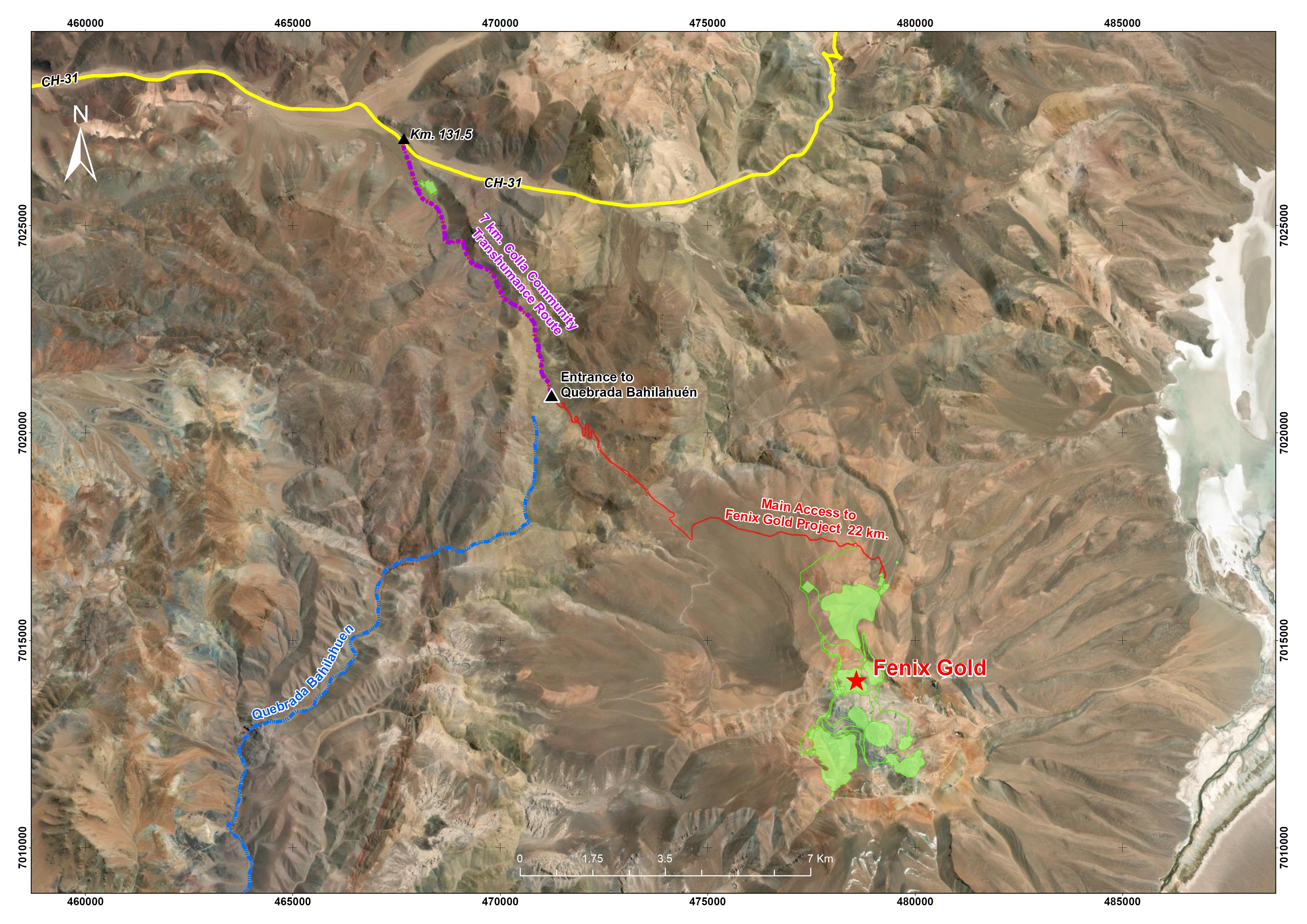 |
|||||||||||||||||||||||
| Colla Communities Transhumance Routes | ||||||||||||||||||||||||
| DD Indigenous Rights | ||||||||||||||||||||||||
| Which human rights procedures the entity's due diligence practices include, provide description in the details |
|
|||||||||||||||||||||||
|
Details: Fenix Gold has a Human Rights Policy that establishes its commitment to respecting and protecting human rights throughout its operations and business relationships. As part of its human rights due diligence practices, the Company implements the following procedures: 1.- Risk Identification and Assessment: The Company conducts periodic human rights risk assessments to identify potential impacts on employees, contractors, communities, and other stakeholders. 2.- Corporate Policies and Standards: Fenix Gold maintains a Human Rights Policy, a Code of Ethics and Business Conduct, and other internal procedures that establish behavioral and compliance standards for employees, contractors, and suppliers. 3.- Protection of Labour Rights: The Company respects freedom of association and the right to collective bargaining, prohibits all forms of forced or compulsory labour, maintains a zero-tolerance policy toward child labour, and promotes fair working conditions in accordance with applicable legislation. 4.- Equality and Non-Discrimination: Fenix Gold does not tolerate any form of discrimination, harassment, or unequal treatment based on gender, ethnicity, age, religion, disability, sexual orientation, or any other protected characteristic. 5.- Training and Awareness: The Company provides training and awareness programs for employees and contractors on human rights, ethical conduct, and compliance with corporate policies. 6.- Grievance Mechanisms: Fenix Gold maintains grievance management mechanisms that allow employees, contractors, communities, and other stakeholders to confidentially and safely report concerns or potential human rights violations. 7.- Monitoring and Continuous Improvement: Rio2 has conducted a Human Rights Risk Assessment, the results of which will be reviewed by the Management Risk Committee to identify and implement corrective actions and improvement opportunities where appropriate. Through these procedures, Fenix Gold seeks to prevent, mitigate, and manage potential human rights impacts across its operations and supply chain. |
||||||||||||||||||||||||
|
|
||||||||||||||||||||||||
| Rio2 Human Rights Procedures | ||||||||||||||||||||||||
| Discuss the practices and procedures while operating in areas of conflict, describing the approach according to the Five-Step Framework outlined in the OECD Due Diligence Guidance for Responsible Supply Chains of Minerals from Conflict-Affected and High-Risk Areas | Rio2 does not operate in areas of conflict. | |||||||||||||||||||||||
| Rights of Indigenous Peoples | ||||||||||||||||||||||||
| Describe the approach to identifying Indigenous Peoples who are or could be affected by the organization’s activities |
Rio2 has a stakeholder identification and management process that includes the early identification of Indigenous Peoples who may be affected by its activities. In addition, the Company complies with the requirements established under Chilean legislation and the Environmental Impact Assessment System (SEIA). The approach used by Fenix Gold to identify Indigenous Peoples who are or may be affected by project activities includes the following elements: 1. Social and Anthropological Baseline Studies: As part of the project's environmental studies, social and anthropological baseline assessments are conducted to identify Indigenous communities within the area of influence, including their social organization, traditional land use, cultural heritage, and potential interactions with the project. 2. Legal and Territorial Mapping: The Company reviews land ownership records, recognized Indigenous lands, traditional use areas, and other relevant territorial information to identify communities that may be directly or indirectly affected by project activities. 3. Early Engagement and Direct Participation: Fenix Gold conducts early engagement activities with Indigenous communities and organizations to validate territorial information, understand community concerns, and identify potential impacts from the communities' own perspectives. 4. Validation by Competent Authorities: Information collected through the studies is assessed and validated by the relevant environmental authorities as part of the environmental assessment process, including the identification of potentially affected Indigenous communities where applicable. 5. Ongoing Review: The identification of Indigenous communities and stakeholders is periodically reviewed throughout the different phases of the project to reflect changes in the social, territorial, or regulatory context. This approach enables Fenix Gold to identify potentially affected Indigenous Peoples at an early stage and develop appropriate management measures to prevent, mitigate, or compensate impacts where applicable. |
|||||||||||||||||||||||
| Describe the approach to engaging with Indigenous Peoples |
Through the Fenix Gold Project, Rio2 maintains transparent and ongoing engagement with Indigenous communities in its area of influence. This approach emphasizes continuous dialogue, respect for Indigenous cultures and traditions, honoring commitments, and promoting sustainable local development. Engagement with Indigenous communities is carried out through the following mechanisms: 1. Ongoing Dialogue and Engagement: The Company maintains both formal and informal communication with Indigenous communities through regular meetings, working groups, site visits, and grievance and inquiry mechanisms. 2. Implementation of Agreements and Commitments: Fenix Gold implements and monitors agreements with Indigenous communities in areas such as health, education, productive development, organizational strengthening, and community services. 3. Implementation of Indigenous Consultation Measures: The Company fulfills commitments made through the Indigenous Consultation process, including initiatives for environmental protection, cultural preservation, traditional practices, and productive development. 4. Voluntary Environmental Commitments: Fenix Gold undertakes initiatives to improve community well-being, including projects for water access, agricultural and livestock development, internet connectivity, waste management, and environmental protection. 5. Participation and Feedback Mechanisms: Indigenous communities have ongoing channels to raise concerns, provide feedback, and submit suggestions about project activities, ensuring their perspectives are considered in social and environmental management. This approach fosters continuous engagement with Indigenous communities, builds trust, and supports sustainable regional development. |
|||||||||||||||||||||||
| How does the organization seek to ensure meaningful engagement |
Fenix Gold seeks to ensure meaningful participation of Indigenous communities through ongoing engagement and dialogue processes that allow communities to receive information about project activities, express their views, raise concerns, and participate in the follow-up of commitments undertaken by the Company. This engagement is primarily carried out through: 1. Regular working group meetings, where the progress of agreements, environmental commitments, and matters of interest to the communities are reviewed. 2. Periodic meetings with community leadership, enabling direct communication with community representatives and the timely discussion of inquiries, concerns, and emerging needs. 3. Community assemblies, where appropriate, to provide information on relevant project matters and gather feedback from community members. 4. Follow-up of existing agreements and commitments, including those arising from the Indigenous Consultation process, Voluntary Environmental Commitments, and agreements established between the Company and Indigenous communities. 5. Communication and grievance mechanisms, which enable communities to submit inquiries, observations, and concerns related to project activities. Through these mechanisms, Fenix Gold promotes ongoing and informed participation of Indigenous communities and takes their feedback into consideration in the management of its community relations activities. |
|||||||||||||||||||||||
| How does the organization support safe and equitable gender participation |
Rio2, through the Fenix Gold Project, promotes the safe, inclusive, and equitable participation of women in its community engagement and stakeholder participation processes. To support gender-inclusive participation, the Company implements the following measures: 1. Removing barriers to participation: During early engagement and project-related participation processes, temporary childcare services were provided to facilitate the attendance and effective participation of women with caregiving responsibilities. 2. Participation in training and development activities: Fenix Gold actively encourages women's participation in training programs, capacity-building initiatives, and community development activities. 3. Equal opportunity and non-discrimination principles: The Company promotes an environment based on respect, equal opportunity, and non-discrimination in both its operations and community engagement activities. 4. Zero tolerance for harassment and violence: Fenix Gold maintains a zero-tolerance approach toward any form of harassment, intimidation, or inappropriate conduct, fostering safe and respectful spaces for the participation of both women and men. 5. Inclusive participation in dialogue processes:The Company encourages engagement activities that consider the views and perspectives of both women and men, contributing to more balanced representation in consultation and community dialogue processes. Through these actions, Fenix Gold seeks to promote effective, safe, and equitable participation of women in engagement activities and decision-making processes related to the project. |
|||||||||||||||||||||||
| Describe the policies or commitments, and actions taken to respect Indigenous Peoples’ cultural heritage |
Fenix Gold respects and protects the cultural heritage of Indigenous Peoples within its area of influence, including sites of cultural or spiritual significance, traditional knowledge, cultural practices, and livelihoods that form part of their identity and worldview. This commitment is implemented through the following principles and actions: 1. Preventive Approach: The Company promotes the early identification of cultural and heritage values during the project design, assessment, and development stages in order to avoid, minimize, or manage potential impacts on both tangible and intangible Indigenous cultural heritage. 2. Respect for Intangible Cultural Heritage: Fenix Gold recognizes the importance of Indigenous traditions, cultural practices, traditional knowledge, livelihoods, and cultural expressions, and seeks to consider them in its engagement and social management processes. 3. Zero Tolerance for Disturbance of Cultural or Ceremonial Sites: The Company is committed to avoiding any disturbance or impact on sites identified by Indigenous communities as culturally, spiritually, or ceremonially significant. 4. Integration into Project Design and Management: Information gathered through environmental, anthropological, and Indigenous engagement processes is considered in project planning and management to incorporate cultural heritage protection measures where appropriate. 5. Implementation of Commitments: Fenix Gold implements the measures and commitments related to cultural heritage protection arising from environmental assessment processes, Indigenous consultation processes, and ongoing engagement with Indigenous communities. Through these actions, the Company seeks to contribute to the respect, protection, and preservation of Indigenous cultural heritage in the areas where it operates. |
|||||||||||||||||||||||
| Describe the community development programs in place that are intended to enhance positive impacts for Indigenous Peoples |
Fenix Gold implements a range of community development programs specifically designed to generate long-term positive impacts for Indigenous Peoples, as well as entrepreneurship and economic development opportunities, aligned with the priorities, cultural values, and aspirations identified by the communities themselves. These programs are developed through inclusive consultation and dialogue processes and are based on principles of partnership, respect for cultural identity, and sustainable development. The main areas of intervention include: 1. Health: Support for Indigenous community members through access to medical examinations, consultations, and treatments, as well as initiatives aimed at improving community health and environmental conditions. 2. Education and Cultural Strengthening: Scholarship programs for Indigenous students, support for educational institutions, youth leadership initiatives, and support for projects aimed at preserving, protecting, and promoting Indigenous cultural heritage. 3. Productive Development and Entrepreneurship: Implementation of initiatives aimed at strengthening agricultural, livestock, tourism, and other community-based economic activities, including technical support, training, productive inputs, and capacity-building opportunities. 4. Local Supplier Development: Promotion of opportunities for community entrepreneurs and local suppliers through business capacity-building, support networks, and the procurement of local goods and services. 5. Local Employment: Promotion of local hiring and employment opportunities for residents of the Atacama Region, including efforts to encourage women's participation in project-related activities. Through these programs, Fenix Gold seeks to contribute to the well-being and sustainable development of Indigenous Peoples by strengthening local capacities, creating economic opportunities, and supporting initiatives aligned with their priorities and development goals. |
|||||||||||||||||||||||
| Has the organization been involved in a process of seeking free, prior, and informed consent (FPIC) from Indigenous Peoples for any of its activities | Yes | |||||||||||||||||||||||
| Has the process been mutually accepted by the organization and the affected Indigenous Peoples | Yes | |||||||||||||||||||||||
| Has an agreement been reached | Yes | |||||||||||||||||||||||
| During 2021, an Indigenous Consultation process was conducted, through which agreements were reached between the participating Indigenous Communities, the competent authorities, and the Company. | ||||||||||||||||||||||||
| If an agreement is reached, is it publicly available | Yes | |||||||||||||||||||||||
| In 2021, an Indigenous Consultation process was conducted, during which agreements were reached among the participating Indigenous Communities, the competent authorities, and the Company. [https://seia.sea.gob.cl/expediente/ficha/fichaPrincipal.php?modo=normal&id_expediente=2146327395] | ||||||||||||||||||||||||
| Incidents of Violations of Rights of Indigenous Peoples | ||||||||||||||||||||||||
| Describe the identified incidents of violations involving the rights of Indigenous Peoples | The Company has not identified any violations of Indigenous Peoples' rights. | |||||||||||||||||||||||
| Land and Resource Rights | ||||||||||||||||||||||||
| Commitments | ||||||||||||||||||||||||
| Describe the approach to engaging with stakeholders whose rights to land and resources are or could be affected by the organization’s activities |
Organization’s activities, as we only operate on land we own or that belongs to the Chilean State, for which we have the necessary easements. However, the manner in which we approach our stakeholders to ensure collaboration must always be based on respect for and protection of human rights and the rights of Indigenous peoples. |
|||||||||||||||||||||||
| How does the organization seek to ensure meaningful engagement | The organization seeks to ensure meaningful engagement with stakeholders in general through the establishment of clear mechanisms for participation and collaboration, together with strategies for resolving conflicts and for ensuring respect for human rights, indigenous territories, and cultures. | |||||||||||||||||||||||
| How does the organization support safe and equitable gender participation | The organization supports safe and equitable gender participation through the respect of human rights, the Sustainable Development Goals (N°5) and the implementation of policies that promote equal opportunities, combat discrimination and harassment, and ensure a supportive environment for all genders. This includes addressing harmful stereotypes and promoting inclusive hiring practices, among others. | |||||||||||||||||||||||
| Describe the policies, commitments, and plans providing remediation to local communities or individuals subject to involuntary resettlement, and the process for establishing compensation for loss of assets, or other assistance to improve or restore standards of living or livelihoods | Does not apply. | |||||||||||||||||||||||
| Describe the procedures in place to monitor and evaluate the effectiveness of the actions taken to remediate negative impacts from involuntary resettlement and the corrective actions taken where necessary | Does not apply. | |||||||||||||||||||||||
| List the mine sites where involuntary resettlement is planned, ongoing, or has taken place | Does not apply. | |||||||||||||||||||||||
| Local Communities | ||||||||||||||||||||||||
| Operations with Local Community | ||||||||||||||||||||||||
| Describe the approach to identifying stakeholders, including vulnerable groups, within local communities |
Fenix Gold applies a participatory approach to identifying stakeholders within local communities, including potentially vulnerable groups. This process is carried out in accordance with Chilean regulatory requirements and the social and anthropological studies conducted as part of the project's environmental assessment. Stakeholder identification includes: 1.- Social and Anthropological Baseline Studies, which provide a characterization of communities and their stakeholders. 2.- Mapping of potentially affected communities and stakeholders, including Indigenous communities and other relevant groups within the area of influence. 3.- Identification of potentially vulnerable groups, such as women, elderly people, and persons with disabilities. 4.- Engagement with community leaders and community boards, to validate information and better understand local dynamics. 5.- Participation and consultation processes, which provide opportunities to gather views and feedback from different stakeholder groups. |
|||||||||||||||||||||||
| Describe the approach to engaging with local communities at each phase of the life of the mine |
Fenix Gold is committed to engaging with local and Indigenous communities throughout the mine’s life, in line with commitments made during the Environmental Impact Assessment and the approved Environmental Qualification Resolution (RCA). During project development, stakeholder engagement included social and anthropological baseline studies, early engagement activities, and the Indigenous Consultation process, conducted in accordance with Chilean regulations. During construction, operation, and closure, the company maintains ongoing dialogue with communities through regular meetings, working groups, and grievance mechanisms. It also implements and monitors mitigation, compensation, and reparation measures established during the environmental impact assessment, including Indigenous consultation commitments, voluntary environmental commitments, and agreements with Indigenous communities. This approach ensures ongoing dialogue, community participation, and compliance with commitments throughout the project’s lifespan. |
|||||||||||||||||||||||
| How does the organization seek to ensure meaningful engagement |
Fenix Gold seeks to ensure meaningful participation by maintaining ongoing and transparent engagement with Indigenous and local communities throughout the life of the project. The Company's approach is to provide timely information, maintain open dialogue, and create opportunities for communities to express their views and concerns regarding project activities and commitments. Key elements of this approach include: 1.- Regular working group meetings to review commitments and discuss community priorities. 2.- Periodic meetings with community leaders and boards to maintain direct communication and address concerns. 3.- Community assemblies, when appropriate, to provide project updates and receive community feedback. 4.- Follow-up of commitments arising from the Indigenous Consultation process, Voluntary Environmental Commitments, and other agreements established with communities. 5.- Grievance and communication mechanisms that allow communities to submit inquiries, concerns, and observations related to project activities. |
|||||||||||||||||||||||
| How does the organization support safe and equitable gender participation |
Rio2, through the Fenix Gold Project, promotes the safe, inclusive, and equitable participation of women in its community engagement and stakeholder participation processes. To support gender-inclusive participation, the Company implements the following measures: 1. Removing barriers to participation: During early engagement and project-related participation processes, temporary childcare services were provided to facilitate the attendance and effective participation of women with caregiving responsibilities. 2. Participation in training and development activities: Fenix Gold actively encourages women's participation in training programs, capacity-building initiatives, and community development activities. 3. Equal opportunity and non-discrimination principles: The Company promotes an environment based on respect, equal opportunity, and non-discrimination in both its operations and community engagement activities. 4. Zero tolerance for harassment and violence: Fenix Gold maintains a zero-tolerance approach toward any form of harassment, intimidation, or inappropriate conduct, fostering safe and respectful spaces for the participation of both women and men. 5. Inclusive participation in dialogue processes:The Company encourages engagement activities that consider the views and perspectives of both women and men, contributing to more balanced representation in consultation and community dialogue processes. Through these actions, Fenix Gold seeks to promote effective, safe, and equitable participation of women in engagement activities and decision-making processes related to the project. |
|||||||||||||||||||||||
| Describe the approach to developing and implementing community development programs, including how engagement with local stakeholders, impact assessments, and community needs assessments have informed the programs |
Fenix Gold develops and implements community development programs based on information gathered through the Environmental Impact Assessment process, including social and anthropological baseline studies, stakeholder engagement activities, and the Indigenous Consultation process conducted in accordance with Chilean regulations. Community needs and priorities are identified through regular engagement with Indigenous and local communities, including working groups, meetings with community leaders, community assemblies, and ongoing dialogue throughout the project's life. The design and implementation of community programs are informed by: 1.- Social and anthropological baseline studies. 2.- The identification of actual and potential social impacts during the environmental assessment process. 3.- Commitments established through the Indigenous Consultation process. 4.- Voluntary Environmental Commitments and other agreements established with communities. 5.- Feedback and priorities raised by communities through ongoing engagement processes. This approach ensures that community development initiatives align with community priorities and with the commitments established during the environmental assessment and permitting processes. |
|||||||||||||||||||||||
| Community Relations | ||||||||||||||||||||||||
| Artisanal and Small-Scale Mining (ASM) | ||||||||||||||||||||||||
| Describe the approach to engaging with ASM operators, and the actions taken by the organization to support ASM formalization and professionalization efforts |
Rio2 does not operate in sites where artisanal or small-scale mining takes place. There are no nearby sites of operation or companies that develop artisanal or small-scale mining. |
|||||||||||||||||||||||
| Number of company operating sites where artisanal and small-scale mining (ASM) takes place on, or adjacent to, the site (not controlled by company/unauthorized) | 0 | |||||||||||||||||||||||
| There are no operating sites where artisanal and small-scale mining (ASM) takes place on, or adjacent to, the Fenix Gold Project. | ||||||||||||||||||||||||
| Programs | ||||||||||||||||||||||||
| Report on community relations programs, objectives and achievements in the past 3 years | See attached disclosure. | |||||||||||||||||||||||
|
|
||||||||||||||||||||||||
| Rio2 Community Rel Programs | ||||||||||||||||||||||||
| Risks and Opportunities | ||||||||||||||||||||||||
| Disclose the total number of site shutdowns or project delays due to non-technical factors | 0 | |||||||||||||||||||||||
| Disclose the total aggregate duration (in days) of site shutdowns or project delays due to non-technical factors | 0 | |||||||||||||||||||||||
| Economic Impacts | ||||||||||||||||||||||||
| Local Hiring | ||||||||||||||||||||||||
| Percentage of workers hired from the local communities (per site) | 46.9697% | |||||||||||||||||||||||
| Total local community workers | 31 | |||||||||||||||||||||||
| Local community workers - male | 18 | |||||||||||||||||||||||
| Local community workers - female | 12 | |||||||||||||||||||||||
| Local community workers - Other | 1 | |||||||||||||||||||||||
| Local community workers - gender not disclosed | 0 | |||||||||||||||||||||||
| Total site workers | 66 | |||||||||||||||||||||||
| Governance | ||||||||||||||||||||||||
| Delegation of responsibility for managing impacts | ||||||||||||||||||||||||
| Has the highest governance body appointed any senior executives with responsibility for the management of organization’s impacts on the economy, environment and people (e.g., is it part of the Governance structure of the company, CEO's role, CFO's role, Sustainability Executive, etc.) | Yes | |||||||||||||||||||||||
| Has the highest governance body delegated responsibility for the management of impacts to other employees | Yes | |||||||||||||||||||||||
| Describe the process for senior executives or other employees to report back to the highest governance body on the management of the organization’s impacts on the economy, environment and people, including sustainability-related risks and opportunities | The Health, Safety, Environment, and Social Committee reports to the board based on information provided by management. | |||||||||||||||||||||||
| Frequency for senior executives or other employees to report back to the highest governance body on the management of the organization’s impacts | Semi-annually | |||||||||||||||||||||||
| Policy commitments | ||||||||||||||||||||||||
| Provide a description of the organization’s policy commitments for responsible business conduct |
Rio2 Limited and its subsidiaries are committed to conducting business with integrity in accordance with the highest ethical and moral standards and in compliance with all applicable laws, rules, and regulations. The Company has issued a Code of Business Conduct and Ethics to promote: honest and ethical conduct, including the ethical handling of actual or apparent conflicts of interest between personal and professional relationships; avoidance of conflicts of interest, including disclosure to an appropriate person of any material transaction or relationship that reasonably could be expected to give rise to such a conflict; confidentiality of corporate information; protection and proper use of corporate assets and opportunities; compliance with applicable governmental laws, rules, and regulations; the prompt internal reporting of any violations of this Code to an appropriate person or person identified in this Code; and accountability for adherence to this Code. |
|||||||||||||||||||||||
| Rio2 Limited Code of Business Conduct and Ethics | ||||||||||||||||||||||||
| What are (if any) the authoritative intergovernmental instruments that the commitments reference | Rio2's Code of Business Conduct and Ethics does not rest on any instruments in particular. Still, it states that all employees, directors, and consultants of the Corporation must adhere to the applicable laws and regulations of the areas in which it operates. | |||||||||||||||||||||||
| Do the commitments stipulate conducting due diligence | Yes | |||||||||||||||||||||||
|
|
||||||||||||||||||||||||
| Rio2's Code of Business Conduct and Ethics | ||||||||||||||||||||||||
| Do the commitments stipulate applying the Precautionary Principle or Approach (see instructions). | No | |||||||||||||||||||||||
| Do the commitments stipulate respecting human rights | Yes | |||||||||||||||||||||||
| Describe the specific policy commitment to respect human rights | Rio2 Limited's Code of Business Conduct and its Human Rights policy establish a specific commitment to respect and promote human rights by prohibiting discrimination in employment based on race, color, religion, sex, sexual orientation, national origin, disability, or age, and by prohibiting abusive or harassing conduct such as unwelcome sexual advances or comments based on ethnicity, religion, or race. The Company requires adherence to all national, provincial, or local employment laws and recognizes internationally recognized human rights including the right to life and personal integrity, the right to work and fair work conditions with prohibition of slavery, equality and non-discrimination, freedom of thought and conscience, freedom of opinion and expression, the right to private life and privacy, and the right to a healthy environment. Rio2's Human Rights Policy further commits the Company to comply with applicable laws and respect internationally recognized human rights standards, to conduct human rights due diligence, to avoid or minimize adverse human rights impacts, to maintain operational-level grievance mechanisms, to provide a safe and healthy workplace free from violence and discrimination, to not engage in forced or child labor, to respect freedom of association and collective bargaining, and to recognize and respect cultural values and the rights of indigenous peoples in communities where Rio2 operates. | |||||||||||||||||||||||
| What are (if any) the internationally recognized human rights that the commitment covers |
Internationally recognized human rights covered by the Code include: * Right to life and personal integrity * Right to work, to fair work conditions, prohibition of slavery and Social Security * Same right to use the law, equality before the law, and the right to be treated fair by the court * Equality and no discrimination * Right to freedom of thought, conscience, and religion * Right to participate in political and public life * Freedom of opinion, expression, and access at the information * Right to private life and privacy * Right to a healthy environment |
|||||||||||||||||||||||
| What are the categories of stakeholders, including at-risk or vulnerable groups, that the organization gives particular attention to in the commitment | Rio2 wishes to play an active role in promoting and exemplifying respect for human rights. This goal applies to the interests, cultures, customs, and values of our employees and the communities we interact with daily. | |||||||||||||||||||||||
| Are the policy commitments publicly available | Yes | |||||||||||||||||||||||
| Provide links to the policy commitments, if publicly available, or, if the policy commitments are not publicly available, explain the reason for this | Please see the attached Corporate policies for more details. | |||||||||||||||||||||||
|
|
|
|
||||||||||||||||||||||
| Human Rights Policy | Whistleblower Policy | HSE Policy | ||||||||||||||||||||||
|
|
|
|
||||||||||||||||||||||
| Social Media Policy | Anti-bribery and Anti-corruption Policy | General Privacy Policy | ||||||||||||||||||||||
| Report the level at which each policy commitment was approved within the organization, including whether this is the most senior level | All Company Codes and Policies have been approved by Rio2's Board of Directors. | |||||||||||||||||||||||
| Were the policy commitments approved at the most senior level within the organization | Yes | |||||||||||||||||||||||
| To what extent the policy commitments apply to the organization’s activities and to its business relationships |
Code and policy commitments have been adopted by our Board of Directors to summarize the standards of business conduct that must guide the actions of all of the directors, officers, and employees of the Corporation. This Code and associated policies apply to all Corporation directors, officers, and employees. This Code also applies to certain contractors. Contractors, including consultants and advisors are expected to conduct themselves in accordance with this Code (or the equivalent of) when dealing with or acting as a representative of the Corporation. |
|||||||||||||||||||||||
| Describe how the policy commitments are communicated to employees, business partners, and other relevant parties |
Policy commitments are communicated to employees and communities via our website, on-site and online training, annual policy review and commitment sign-off. All concerns related to human rights or governance are handled through the company Whistleblower or grievance mechanisms. There is no policy communication for business partners or other relevant parties. |
|||||||||||||||||||||||
| Embedding policy commitments | ||||||||||||||||||||||||
| Describe how the organization embeds each of its policy commitments for responsible business conduct throughout its activities and business relationships | Rio2's Board of Directors, the CEO, and the CFO are in charge of overseeing the fulfillment of Rio2's Code of Business and Ethics and associated policies. | |||||||||||||||||||||||
| How are responsibilities allocated in order to implement the commitments across different levels within the organization |
The HR department communicates with all Department leaders on the responsibility vested in their different roles as in policy compliance from their assigned teams. In turn, the CEO reports all concerns and developments to the HSE Committee of the Board. Accountability is continuously communicated as a response to a failure to comply with Company policies. |
|||||||||||||||||||||||
| How are the commitments integrated into organizational strategies, operational policies, and operational procedures | The Company holds mandatory annual workshops where the policies are communicated. It is expected that all employees take these policies into consideration when planning or executing their work-related tasks. | |||||||||||||||||||||||
| How does the organization implement its commitments with and through its business relationships | Contractors are given feedback sessions on how to behave and how to expect their teams to behave. | |||||||||||||||||||||||
| What implementation training does the organization provide | The Company provides annual in-person and online training. | |||||||||||||||||||||||
| Governance structure and composition | ||||||||||||||||||||||||
| Describe the governance structure, including committees of the highest governance body (e.g. the Board of Directors, the Executives, the Board Environment Committee, Board Safety Committee, the Advisory Committee, etc.) |
Rio2’s Board of Directors is responsible for the strategic supervision and direction of Management of Rio2 Limited. The Board is composed of seven directors, each with a specific and strategic level of expertise beneficial to the business of the Company. The CEO is appointed by the Board and tasked with achieving the strategic objectives of the Company and its operational priorities. |
|||||||||||||||||||||||
| Identify and list the committees of the highest governance body that are responsible for decision making and overseeing the management of the organization’s impacts on the economy, environment and people including the oversight of sustainability-related risks and opportunities (e.g. Board level Environment Committee, Safety Committee, ESG Committee, Advisory Committee, etc.) |
The committees responsible for decision-making on economic, environmental, and social topics including the Corporate Governance and Compensation Committee, the Audit Committee, and the Health, Safety, and Community Committee. Please see the links below for the Health, Safety, and Community Charter, and the Audit Committee Charter. |
|||||||||||||||||||||||
|
|
|
|||||||||||||||||||||||
| Audit Committee Charter | HSE Committee Charter | |||||||||||||||||||||||
| Describe the composition of the highest governance body and its committees by: | ||||||||||||||||||||||||
|
Number of executive members (non-independent) |
2 | |||||||||||||||||||||||
| Number of non-executive members (non-independent) | 0 | |||||||||||||||||||||||
| Number of independent members | 5 | |||||||||||||||||||||||
| The total number of governance body members | 7 | |||||||||||||||||||||||
| Percentage of independent board members | 71.4286% | |||||||||||||||||||||||
| Less than 3 years of tenure of members on the governance body | 0 | |||||||||||||||||||||||
| 3-6 years of tenure of members on the governance body | 1 | |||||||||||||||||||||||
| 6-9 years of tenure of members on the governance body | 6 | |||||||||||||||||||||||
| More than 10 years of tenure of members on the governance body | 0 | |||||||||||||||||||||||
| Number of other significant positions and commitments held by each member, and the nature of the commitments |
Two of our board directors hold significant positions and commitments to other organizations as follows: Lead Director Klaus Zeitler (Chairman of the Board of Rio2 Limited in 2021) is also the Executive Chairman of Amerigo Resources Ltd. and Director of Western Copper and Gold Corporation. The Chairman of Rio2's Audit Committee Ram Ramachandran is also the CFO of Purepoint Uranium Group Inc. |
|||||||||||||||||||||||
| Number of Male governance body members | 7 | |||||||||||||||||||||||
| Number of Female governance body members | 0 | |||||||||||||||||||||||
| Number of Other governance body members | 0 | |||||||||||||||||||||||
| Number of members from under-represented social groups | 0 | |||||||||||||||||||||||
| Description of competencies relating to economic, environmental, and social topics | Rio2's Board of Directors comprises seven members with diverse expertise spanning exploration, mining operations, finance, legal, and environmental management. The five independent directors and two executive members collectively possess competencies in mineral resource evaluation, project development, financial management and reporting, corporate governance, health and safety, environmental stewardship, community relations, and regulatory compliance. Board members bring technical mining expertise, experience in permitting and stakeholder engagement, and knowledge of Latin American operating environments. The Corporate Governance and Compensation Committee, Audit Committee, and Health, Safety, and Community Committee provide focused oversight of economic, environmental, and social topics, with board members serving in various committee roles to address sustainability-related risks and opportunities relevant to Rio2's exploration and development operations. | |||||||||||||||||||||||
| Description of stakeholder representation, including employees and other workers | Rio2 is a Canadian producer with projects in South America. Its stakeholder representation consists of employees and workers who are not employees, trade union service suppliers, local community suppliers and services, and our shareholders and providers of capital. For a description of our ownership structure, please see the attached file. | |||||||||||||||||||||||
|
|
||||||||||||||||||||||||
| Rio2 Ownership structure as of Jun 1-26 | ||||||||||||||||||||||||
| Highest Governance Body | ||||||||||||||||||||||||
|
Describe the nomination and selection processes for the highest governance body and its committees |
Shareholders of the Company vote on the appointment of candidates to the Board proposed by Rio2 at the annual general meeting of shareholders. | |||||||||||||||||||||||
| Does the organization have a diversity policy, gender equality or gender equity plan and if so, provide details, link to the policy or attach the file | In 2025 Rio2 did not have a Board Diversity Policy but one will be implemented in the second half of 2026. | |||||||||||||||||||||||
|
Report the criteria used for nominating and selecting highest governance body members |
The Board determines new nominees to the Board, although no formal process has been adopted. The Board does not have a nominating committee for this purpose. The nominees are generally the result of recruitment efforts by current members of the Board, including as a result of both formal and informal discussions among Board members and officers. In considering Board composition and to encourage an objective nomination process, the Board periodically assesses the size, structure and composition of the Board, taking into consideration current strengths, skills and experience of the Board, proposed retirements and the requirements and strategic direction of the Company. | |||||||||||||||||||||||
| Are views of stakeholders (including shareholders) taken into consideration for nominating and selecting highest governance body members | No | |||||||||||||||||||||||
| Is diversity taken into consideration for nominating and selecting highest governance body members | No | |||||||||||||||||||||||
| Is independence taken into consideration for nominating and selecting highest governance body members | Yes | |||||||||||||||||||||||
| Discuss how independence is considered for nominating and selecting highest governance body members | The Board is currently comprised of five independent directors and two directors who are not considered to be independent. NI 58-101 recommends that the Board of a public company should be constituted with a majority of individuals who qualify as “independent” directors. An “independent” director is a director who has no direct or indirect material relationship with the Company. A material relationship is a relationship that could, in the view of the Board, reasonably interfere with the exercise of a director’s independent judgment. The Board is responsible for assessing director independence. The Board has assessed the independence of each director in accordance with National Instrument 58-101 and NI 52-110. Following this assessment, the Board of Directors concluded that Klaus Zeitler, Sidney Robinson, Ram Ramachandran, Albrecht Schneider, and Drago Kisic are all independent directors under NI 58-101. Alex Black, the Executive Chairman of the Board, and Andrew Cox, the President and Chief Executive Officer of the Company, are members of management and as a result, they are not independent directors. | |||||||||||||||||||||||
| Discuss whether and how competencies relevant to the impacts of the organization are considered | In considering Board composition and to encourage an objective nomination process, the Board periodically assesses the size, structure and composition of the Board, taking into consideration current strengths, skills and experience of the Board, proposed retirements and the requirements and strategic direction of the Company. | |||||||||||||||||||||||
| Chair of the highest governance body | ||||||||||||||||||||||||
| Is the chair of the highest governance body also a senior executive in the organization (non-independent) | Yes | |||||||||||||||||||||||
| Mr. Klaus Zeitler was the Non-Executive Chairman of the Board of Directors of Rio2 Limited until November 2022. On November 28, 2022, Alex Black became the Executive Chairman of the Board. | ||||||||||||||||||||||||
| If the chair is also a senior executive, explain their function within the organization’s management, the reasons for this arrangement, and how conflicts of interest are prevented and mitigated | Alex Black, is the Executive Chairman of the Board of Directors of Rio2 Limited; as such he is deemed not to be an independent director. As explained above, all board committee chairs are independent and the board is comprised of a majority of independent directors. | |||||||||||||||||||||||
| Conflicts of Interest | ||||||||||||||||||||||||
| Describe the processes for the highest governance body to ensure that conflicts of interest are prevented and mitigated | All Rio2 officers and managers maintain an "open door" policy regarding questions of business conduct regarding our Business Conduct and Ethics Code and its applicability. Employees are encouraged to be alert to any work-related activities that could be construed as a violation of this Code. They have an obligation to promptly report potential violations orally, in writing, or, if preferred, anonymously. Rio2 has finalized the design of an intranet platform and also provides physical and virtual channels for employees to report violations to the Company's Code of Business Conduct and Ethics of the Company. | |||||||||||||||||||||||
| Are conflicts of interest disclosed to stakeholders | Yes | |||||||||||||||||||||||
| Are there conflicts of interest related to: cross-board membership | No | |||||||||||||||||||||||
| Are there conflicts of interest related to: cross-shareholding with suppliers and other stakeholders | No | |||||||||||||||||||||||
| Are there conflicts of interest related to: existence of controlling shareholder | No | |||||||||||||||||||||||
| Are there conflicts of interest related to: related parties, their relationships, transactions, and outstanding balances | No | |||||||||||||||||||||||
| Collective knowledge of highest governance body | ||||||||||||||||||||||||
| Report measures taken to advance the collective knowledge, skills and experience of the highest governance body on sustainable development. (e.g. board training) | The Board did not receive training in 2025. | |||||||||||||||||||||||
| Transparency | ||||||||||||||||||||||||
| Describe the role of the highest governance body and of senior executives in developing, approving and updating the organization’s purpose, value or mission statements, strategies, policies and goals related to sustainable development | In 2025, the Board met with Management six times to discuss strategy and goals for construction and the start of production at the Fenix Gold Project in Chile, and to discuss the acquisition of the Condestable Mine in Peru. Financial, social, and environmental topics were discussed. | |||||||||||||||||||||||
| Describe the role of the highest governance body in overseeing the organization’s due diligence and other processes to identify and manage the organization’s impacts on the economy, environment and people | HSE impacts are assessed and managed by the HSC Board Committee as mandated by its charter and the Company's Safety, Occupational Health, Environment, and Social Responsibility Policy. | |||||||||||||||||||||||
| Does the highest governance body engage with stakeholders to support due diligence and other processes | No | |||||||||||||||||||||||
| Describe how the highest governance body considers the outcomes of these processes | All issues requiring actions are identified, addressed, and reported regularly to the Board by the HSC Committee. | |||||||||||||||||||||||
| Ethics | ||||||||||||||||||||||||
| Ethics and Integrity | ||||||||||||||||||||||||
| Describe how individuals can seek advice on implementing the organization’s policies and practices for responsible business conduct | The Company encourages employees to express their concerns through an open-door policy, where everyone can access and communicate with those responsible for addressing the concerns, claims, and complaints of employees. | |||||||||||||||||||||||
| Describe the mechanisms for individuals to raise concerns about the organization’s business conduct | Procedures are in place in the business units to address claims, concerns, and complaints, including telephone communication channels, e-mails from those responsible for handling such claims, and the Company's intranet. | |||||||||||||||||||||||
| Compliance with laws and regulations | ||||||||||||||||||||||||
| Report the total number of significant instances of non-compliance with laws and regulations that occurred during the reporting period and a breakdown of this total by | 0 | |||||||||||||||||||||||
| Number of instances for which fines were incurred | 0 | |||||||||||||||||||||||
| Number of instances for which non-monetary sanctions were incurred | 0 | |||||||||||||||||||||||
| Report the total number of fines for instances of non-compliance with laws and regulations that were paid during the reporting period | 0 | |||||||||||||||||||||||
| Report the monetary value of fines for instances of noncompliance with laws and regulations that were paid during the reporting period (currency, Thousands) | 0 | |||||||||||||||||||||||
| Total number of fines paid for instances of non-compliance with laws and regulations that occurred in the current reporting period | 0 | |||||||||||||||||||||||
| Total monetary value of fines for instances of non-compliance with laws and regulations that occurred in the current reporting period (currency, Thousands) | 0 | |||||||||||||||||||||||
| Total number of fines paid for instances of non-compliance with laws and regulations that occurred in previous reporting periods | 0 | |||||||||||||||||||||||
| Total monetary value of fines for instances of non-compliance with laws and regulations that occurred in previous reporting periods (currency, Thousands) | 0 | |||||||||||||||||||||||
| Describe the significant instances of non-compliance | Rio2 is in compliance with all environmental laws and regulations pertaining to the Fenix Gold Project in Chile. | |||||||||||||||||||||||
| Describe the management system and due diligence procedures for assessing and managing corruption and bribery risks internally and associated with business partners in its value chain |
Rio2 has zero tolerance for bribery and corruption in all business dealings and relationships, in all jurisdictions in which it operates. Implementing and enforcing effective systems to prevent bribery and corruption is central to this approach. For this reason, Rio2 has adopted an Anti-Bribery and Anti-Corruption Policy to avoid and prevent bribery and corruption in all business dealings of, and transactions undertaken by, the Corporation. This Policy provides information and guidance on how to recognize and deal with bribery and corruption issues and provides guidelines and establishes procedures to ensure that all those working for, on behalf of, and with the Corporation have a clear and consistent understanding of how to avoid and prevent bribery and corruption. This Policy applies to all employees and consultants of Rio2 and its subsidiaries. Please refer to the link below to access Rio2's Anti-Bribery and Anti-Corruption Policy. |
|||||||||||||||||||||||
| Rio2 Anti-Bribery and Anti-Corruption Policy | ||||||||||||||||||||||||
| If applicable, discuss operations that are located in countries with low rankings in the index but present low business ethics risks; the entity may provide similar discussion for operations located in countries that do not have one of the 20 lowest rankings in the index but that present unique or high business ethics risks | Not Applicable. | |||||||||||||||||||||||
| Anti-Corruption | ||||||||||||||||||||||||
| Corruption Risks to Operations | ||||||||||||||||||||||||
| Describe how potential impacts of corruption or risks of corruption are managed in the organization’s procurement practices and throughout the supply chain | Rio2's procurement unit recognizes that contract awards and bidding processes can pose a risk of corruption. To address this concern, a strict set of norms have been established that define instances of misconduct. These instances serve as valid reasons for systematically excluding individuals or entities from the contract award process and for terminating all professional relationships and contracts. | |||||||||||||||||||||||
| Total number of operations assessed for corruption risks | 1 | |||||||||||||||||||||||
| Percentage of operations assessed for corruption risks | 100.0000% | |||||||||||||||||||||||
| Has the company identified any significant corruption risks | No | |||||||||||||||||||||||
| Confirmed Incidents and Response | ||||||||||||||||||||||||
| Total number and nature of confirmed incidents of corruption | 0 | |||||||||||||||||||||||
| Total number of Bribery cases | 0 | |||||||||||||||||||||||
| Total number of Lobbying cases | 0 | |||||||||||||||||||||||
| Total number of Extortion cases | 0 | |||||||||||||||||||||||
| Total number of Cronyism cases | 0 | |||||||||||||||||||||||
| Total number of Nepotism cases | 0 | |||||||||||||||||||||||
| Total number of Parochialism cases | 0 | |||||||||||||||||||||||
| Total number of Patronage cases | 0 | |||||||||||||||||||||||
| Total number of Influence peddling cases | 0 | |||||||||||||||||||||||
| Total number of Graft cases | 0 | |||||||||||||||||||||||
| Total number of Embezzlement cases | 0 | |||||||||||||||||||||||
| Total number of confirmed incidents in which employees were dismissed or disciplined for corruption | 0 | |||||||||||||||||||||||
|
Total number of contracts terminated or not renewed with business partners due to corruption related violations |
0 | |||||||||||||||||||||||
| Number of public legal cases brought against the organization or its employees during the reporting period related to corruption and the outcomes of such cases | 0 | |||||||||||||||||||||||
| Contracts and Owners Transparency | ||||||||||||||||||||||||
| Are company's contracts and licenses made publicly available | No | |||||||||||||||||||||||
| If contracts are public, where are they published | Material contracts are published on the Company's profile with Sedar+ at www.sedarplus.ca. | |||||||||||||||||||||||
| If contracts or licenses are not publicly available, the reason for this and actions taken to make them public in the future | In the course of its business, the Company enters into numerous contracts and obtains licenses, most of which contain confidentiality clauses. Contracts impacting shareholder rights are disclosed to the market and published on Sedar+. | |||||||||||||||||||||||
| Name, nationality, and country of residence of the organization’s beneficial owners, including joint ventures | Rio2 is a public company listed on the TSX in Canada, on the OTCQX in the United States and on the Bolsa de Valores de Lima and, as such, its beneficial owners are located in many areas of the world. | |||||||||||||||||||||||
| Are the beneficial owners politically exposed persons | No | |||||||||||||||||||||||
| Level of ownership | Does not apply. | |||||||||||||||||||||||
| How is ownership or control exerted | Does not apply. | |||||||||||||||||||||||
| Communication and Training | ||||||||||||||||||||||||
| Total number of governance body members that the organization's anti-corruption policies and procedures have been communicated to | 7 | |||||||||||||||||||||||
| Total percentage of governance body members that have been communicated to on anti-corruption | 100.0000% | |||||||||||||||||||||||
| Anti-corruption policies and procedures communication to direct employees by type: | ||||||||||||||||||||||||
| Total percentage of the direct employees that have been communicated to on anti-corruption | 30.4878% | |||||||||||||||||||||||
| Percentage of salaried employees that have been communicated to on anti-corruption | Does Not Apply | |||||||||||||||||||||||
| Total number of governance body members that have received training on anti-corruption | 7 | |||||||||||||||||||||||
| Total percentage of governance body members that have received training on anti-corruption, broken down by region | 100.0000% | |||||||||||||||||||||||
| Total number and percentage of direct employees that has received training on anti-corruption, broken down by employee category and region | ||||||||||||||||||||||||
| Total number of direct employees | 164 | |||||||||||||||||||||||
| Total percentage of direct employees that received training on anti-corruption | 95.1220% | |||||||||||||||||||||||
| Total number of senior management employees who received training on anti-corruption | 10 | |||||||||||||||||||||||
| Total number of senior management employees | 10 | |||||||||||||||||||||||
| Percentage of senior management employees who received training on anti-corruption | 100.0000% | |||||||||||||||||||||||
| Total number of middle management employees | 0 | |||||||||||||||||||||||
| Total number of salaried employees who received training on anti-corruption | 35 | |||||||||||||||||||||||
| Percentage of salaried employees who received training on anti-corruption | 100.0000% | |||||||||||||||||||||||
| Total number of technical employees who received training on anti-corruption | 70 | |||||||||||||||||||||||
| Total number of technical employees | 70 | |||||||||||||||||||||||
| Total number of production employees who received training on anti-corruption | 32 | |||||||||||||||||||||||
| Total number of production employees | 40 | |||||||||||||||||||||||
| Total number of administrative employees | 0 | |||||||||||||||||||||||
| Total number of all other categories of employees who received training on anti-corruption | 9 | |||||||||||||||||||||||
| Security Practices | ||||||||||||||||||||||||
| Policy and Procedure Training | ||||||||||||||||||||||||
| Describe how the organization seeks to prevent or mitigate potential negative impacts from the use of public and private security providers |
During 2025, no significant progress was made in the formal implementation of PVSDH initiatives. This was mainly because the company was changing private security companies, a transition that did not begin to take shape until late December 2025. However, progress was made in key coordination efforts with public security actors. We established working relationships with Chilean Policy, the PDI (Investigation Policy of Chile), the Local Prosecutor’s Office, and the Regional Ministerial Secretariat for Public Security (SEREMI) to strengthen the relationship between public and private security, as well as prevention and response capabilities in the face of potential risks to the project. More structured work on the PVSDH began in 2026, including training, operational alignment, gap analysis, and an update to the Industrial Protection Master Plan, as part of the longer-term implementation process. |
|||||||||||||||||||||||
| Has the organization implemented the Voluntary Principles on Security and Human Rights | No | |||||||||||||||||||||||
| Please see explanation above. | ||||||||||||||||||||||||
| Risk Management | ||||||||||||||||||||||||
| Describe the role of the highest governance body in reviewing the effectiveness of the organization’s processes to manage and identify impacts on economy, environment and people | Management informs the HSE Committee of the Board of the identified impacts and plans to manage or reduce them as the case may be. | |||||||||||||||||||||||
| Frequency of review by the highest governance body in reviewing effectiveness of the organization’s processes | Annually | |||||||||||||||||||||||
| Highest Review Position | ||||||||||||||||||||||||
| Is the highest governance body responsible for reviewing and approving the reported information, including the organization’s material topics | Yes | |||||||||||||||||||||||
| Describe the process for reviewing and approving the reported information | The HSE committee reviews and approves and recommends that the Board approve the information provided in the annual ESG reports. | |||||||||||||||||||||||
| If the highest governance body is not responsible for reviewing and approving the reported information, including the organization’s material topics, explain the reason for this | Does not apply. | |||||||||||||||||||||||
| Communication of critical concerns | ||||||||||||||||||||||||
| Are critical concerns communicated to the highest governance body | Yes | |||||||||||||||||||||||
| Describe how critical concerns are communicated to the highest governance body | It is possible for concerns and complaints to be communicated to the highest governance body through the communication mechanism established in the company's code of conduct, as well as in corporate policies. | |||||||||||||||||||||||
| Report the number of critical concerns that were communicated to the highest governance body during the reporting period | 0 | |||||||||||||||||||||||
| Remuneration | ||||||||||||||||||||||||
|
Report which of the following remuneration policies apply to the highest governance body and senior executives and provide details: |
As per below. | |||||||||||||||||||||||
| Fixed pay | Yes | |||||||||||||||||||||||
| Senior executives have signed employment agreements with a fixed salary. Directors are compensated with a fixed retainer and meeting fees. | ||||||||||||||||||||||||
| Variable pay | No | |||||||||||||||||||||||
| Performance-based pay | Yes | |||||||||||||||||||||||
| The Company reserves the ability to award performance-based bonuses. | ||||||||||||||||||||||||
| Equity-based pay | No | |||||||||||||||||||||||
| None other than under the Company's Stock Options and Share Incentive Plans approved by shareholders. | ||||||||||||||||||||||||
| Bonuses | Yes | |||||||||||||||||||||||
| As disclosed above. | ||||||||||||||||||||||||
| Deferred and vested shares | No | |||||||||||||||||||||||
| Sign-on bonuses | No | |||||||||||||||||||||||
| Recruitment incentive payments | No | |||||||||||||||||||||||
| Termination payments | Yes | |||||||||||||||||||||||
| Clawbacks | No | |||||||||||||||||||||||
| Retirement benefits, including the difference between benefit schemes and contribution rates for the highest governance body, senior executives and all other employees | No | |||||||||||||||||||||||
| Describe how the remuneration policies for members of the highest governance body and senior executives relate to their objectives and performance in relation to the management of the organization’s impacts on the economy, environment and people |
The Compensation Committee reviews the achievement of project specific goals included in the Company’s plans such as: identifying mineral prospects; executing successful drill programs; advancing or completing scoping, pre-feasibility, or feasibility studies; building and maintaining social license through community relationships and initiatives; acquiring necessary permits, and successfully advancing projects and/or initiatives that accomplish the Company’s goals. In addition, the Committee considers management’s performance in unplanned situations and their ability to manage projects through complex political and social situations. Finally, corporate objectives such as successful capital raising (if applicable), peer benchmarking and market performance are considered. |
|||||||||||||||||||||||
| Describe the process for designing remuneration policies | The CGC Committee of the Board has retained the services of an independent firm, Lane Caputo Compensation Inc., to undertake a full review of the Company's compensation program for its executive officers and directors. Lane Caputo provided information and advice regarding executive compensation for the company based on comparable industry companies and other relevant factors. A peer group of mining companies was developed against which Lane Caputo benchmarked the competitiveness of Rio2's senior executives and Board Compensation practices. | |||||||||||||||||||||||
| Describe the process for determining remuneration |
The Company has a compensation structure defined based on three key criteria: 1.- Internal Equity: which constitutes the relative value of their position (in terms of functions and responsibilities) within the organization, which includes: a) Know How: this is valued in relation to the experience that each person has in each position held, as well as in relation to the previous knowledge they possesses for the performance of their functions and consequently the achievement of the objectives. b) Problem solving: the ability to make decisions autonomously within the Company in order to solve and successfully face the challenges that exist in their area of responsibility. c) Responsibility for results: measured in the impact of costs and budget for which you are in charge and have responsibility for their approval and execution in relation to other positions within the Company. 2.- External competitiveness: this has allowed us to establish a real comparison between what the national sectorial labor market pays (comparable to your functions and responsibilities) and what Fenix Gold has defined to be able to compensate its workers economically in a competitive way, taking into consideration companies similar to Fenix Gold (mining project under development). 3.- Meritocracy: which helps us to compensate for good performance, which allows us to manage compensation variably. |
|||||||||||||||||||||||
| Are independent members of the highest governance body or an independent remuneration committee overseeing the remuneration process | Yes | |||||||||||||||||||||||
| How the views of stakeholders (including shareholders) regarding remuneration are sought and taken into consideration | Company shareholders do not vote on executive compensation at this time. | |||||||||||||||||||||||
|
Are remuneration consultants involved in determining remuneration |
Yes | |||||||||||||||||||||||
| Are remuneration consultants independent of the organization, the highest governance body and senior executives | Yes | |||||||||||||||||||||||
| Stakeholder Engagement | ||||||||||||||||||||||||
| Describe the organization’s approach to stakeholder engagement, including frequency of engagement by type | Please refer to the attachment Stakeholder Engagement report below. | |||||||||||||||||||||||
| Provide a list of stakeholder groups engaged by the organization |
|
|||||||||||||||||||||||
| Report the basis for identifying and selecting stakeholders with whom to engage | Rio2 defines a stakeholder as any individual or group with an interest in our business operations, projects, and achievements. Our stakeholders are deeply invested in Rio2's success, as their interests closely align with our business activities. We believe that our growth and success are intrinsically connected to the engagement and support of our stakeholders. | |||||||||||||||||||||||
| Report the purpose of the stakeholder engagement | Please see attached disclosure. | |||||||||||||||||||||||
|
|
||||||||||||||||||||||||
| Rio2 Stakeholder Engagement | ||||||||||||||||||||||||
| Describe how the organization seeks to ensure meaningful engagement with stakeholders |
Rio2 is committed to fostering clear and well-defined communication channels while maintaining transparency in its business practices. The Company accomplishes this by identifying and mapping its stakeholders, often seeking assistance from external parties when necessary. By understanding the interests and influence of these stakeholders, Rio2 develops tailored engagement strategies and creates clear communication plans. The Company then implements engagement initiatives and continuously monitors and measures progress. This process highlights the importance of transparency, the objective sharing of information, and recognizing the effect of stakeholder involvement on the Company’s decisions. Additionally, Rio2's senior executives are regularly available to engage with stakeholders. |
|||||||||||||||||||||||
| Tax | ||||||||||||||||||||||||
|
Describe the approach to stakeholder engagement and management of stakeholder concerns related to tax |
||||||||||||||||||||||||
| The approach to engagement with tax authorities |
Rio2 engages with tax authorities in a professional and cooperative manner, adheres to all tax laws and regulations in the regions in which it operates and maintains a pro-active approach to both present and potential tax legislation. Rio2's management team includes qualified accounting professionals familiar with taxation and the Company also retains third-party experts (in applicable jurisdictions) to advise on certain tax issues and ensure full compliance with tax laws and obligations. Where deemed necessary or warranted, Rio2 conducts internal consultations amongst employees, third-party experts and occasionally Rio2's Board of Directors on any significant tax issues or planning. |
|||||||||||||||||||||||
| The approach to public policy advocacy on tax | Rio2 does not engage in lobbying or public policy advocacy on tax-related matters. | |||||||||||||||||||||||
| The processes for collecting and considering the views and concerns of stakeholders, including external stakeholders | Rio2 engages with internal stakeholders on a regular basis to explain the tax and government frameworks and their impacts on the Company's operations. The Company considers any internal stakeholder and tax authority concerns and feedback, where applicable, in its approach to tax compliance, reporting and planning. | |||||||||||||||||||||||
| This document was prepared using |
 |
, Planet Earth's complete Risk reporting solution. | ||||||||||||||||||||||