 |
|||||||||||||||||||
|
|||||||||||||||||||
| Published on July 1, 2025 | |||||||||||||||||||
| Hycroft Mining Holding Corporation is a US-based gold and silver company exploring and developing the Hycroft Mine, one of the world's largest precious metals deposits located in northern Nevada, a Tier-1 mining jurisdiction. | |||||||||||||||||||
| Disclaimer and Forward Looking Statements | |||||||||||||||||||
| Company Profile | |||||||||||||||||||
| Organizational Profile | |||||||||||||||||||
| Name | Hycroft Mining Holding Corp. | ||||||||||||||||||
| Describe nature of activities, brands, products and services | We are precious metals company that hosts one of the largest gold and silver deposits in the world with over 10.6 million ounces of gold and over 361.0 million ounces of silver in the Measured and Indicated Category (over 15 million ounces gold equivalent) with an additional 3.4 million ounces of gold and 96.0 million ounces of silver in the Inferred Category (an additional 4.6 million ounces gold equivalent). The company’s land position is approximately 64,000 acres of which only 10% has been explored. | ||||||||||||||||||
|
Details: We are proud to reflect on Hycroft Mining's outstanding 2024 achievements, culminating in the best drill hole (Hole 6018) in the Company's more than 40-year history - an exceptional intercept of 21.2 meters of 2,359.68 g/t silver, including intervals exceeding 6,000 g/t silver. This supersedes the prior best hole ever drilled (Hole 5753), which returned over 85 meters of 534 g/t silver, including over 39 meters of 1,019 g/t silver. The year 2024 can be characterized as doing what our team does best and has done before – creating value by identifying opportunities that were not explored by several predecessor owners of this unique asset. Our extensive efforts to fully understand the genesis of this world-class asset delivered success for the Company and our shareholders. Throughout 2024, our exploration program consistently delivered excellent results, expanding our newly discovered two high-grade silver dominant trends at Vortex and Brimstone. The drilling campaign produced remarkable intercepts at Brimstone exceeding 1,000 g/t silver in numerous drill hole intercepts. The 2024 drilling extended high-grade mineralization both up and down dip as well as south along strike, and we extended Vortex mineralization approximately 100 meters to the west, encountering both high-grade silver and significant gold values. Additionally, high-grade mineralization was extended along the northern and southern edges, and importantly, vertical continuity was established within the Vortex zone. Our 9,058-meter drilling program has fundamentally changed the notion that Hycroft is a large, low-grade system to one with significant high-grade potential. Due to the rapid expansion of the high-grade zones and continued growth opportunities remaining open in all directions, the Company has been contemplating opportunities to develop a smaller high-grade mining operation for the initial phase of sulfide mining. This would allow for less initial capital, strong cash flows early in the mine life, and overall enhanced economics. Our operational excellence earned industry recognition, with Hycroft receiving the 2024 Operator Safety Award from the Nevada Mining Association. We concluded the year having achieved over 1,500 days without a lost-time incident - a testament to our team's commitment to safety. We have completed more than two years with a zero (0.00) total recordable injury frequency rate ("TRIFR"). |
|||||||||||||||||||
| Link to Corporate Website | https://hycroftmining.com/ | ||||||||||||||||||
| Industry Classification |
NAICS: 21 Mining, quarrying, and oil and gas extraction 212 Mining and quarrying (except oil and gas) 21222 Gold and silver ore mining 212220 Gold and silver ore mining ISIC: B0729 Mining of other non-ferrous metal ores |
||||||||||||||||||
| Market Capitalization | $0-$100Million USD | ||||||||||||||||||
| Type of Operations | Gold and Silver Mining Company | ||||||||||||||||||
| Company Headquarters | Virtual, United States of America | ||||||||||||||||||
| ESG Accountability | |||||||||||||||||||
| Role of highest authority within the company for Environment, Social and Governance strategy, programs and performance | Board of Directors (BoD) | ||||||||||||||||||
| Board of Directors | |||||||||||||||||||
| The name of the highest authority, if applicable | ESG Committee | ||||||||||||||||||
| IFRS Sustainability Disclosure Standards Reporting Requirements | |||||||||||||||||||
|
Choose the statement of compliance |
The organization has reported in compliance with all IFRS Sustainability Disclosure Standards | ||||||||||||||||||
| GRI Reporting Requirements | |||||||||||||||||||
|
Choose the statement as to how the organization has aligned their reporting utilizing GRI Standards |
The organization has reported in accordance with the GRI Standards for the period defined below | ||||||||||||||||||
| ESG Reporting Period | |||||||||||||||||||
| Unless otherwise noted, all data contained in this report covers the following period | |||||||||||||||||||
| From | 2024-01-01 | ||||||||||||||||||
| To | 2024-12-31 | ||||||||||||||||||
| External Assurance | |||||||||||||||||||
| Describe your company's policy and practice for seeking external assurance, including whether and how the highest governance body and senior executives are involved | We do not currently utilize external assurance services. | ||||||||||||||||||
| Are the highest governance body and senior executives involved | Yes | ||||||||||||||||||
| Describe how the highest governance body and senior executives are involved | Hycroft is fully compliant with state and federal governing bodies. Senior Management has signed off on the commitment to operational excellence. | ||||||||||||||||||
| Has the report been externally assured | No | ||||||||||||||||||
| Financial Reporting Period | |||||||||||||||||||
| Does the financial reporting period align with the sustainability reporting period (e.g. calendar vs fiscal) | Yes | ||||||||||||||||||
| Geographic Scope of Report | |||||||||||||||||||
| Unless otherwise noted, the data in this report covers sustainability matters related to the following locations of operations | United States of America | ||||||||||||||||||
 |
|||||||||||||||||||
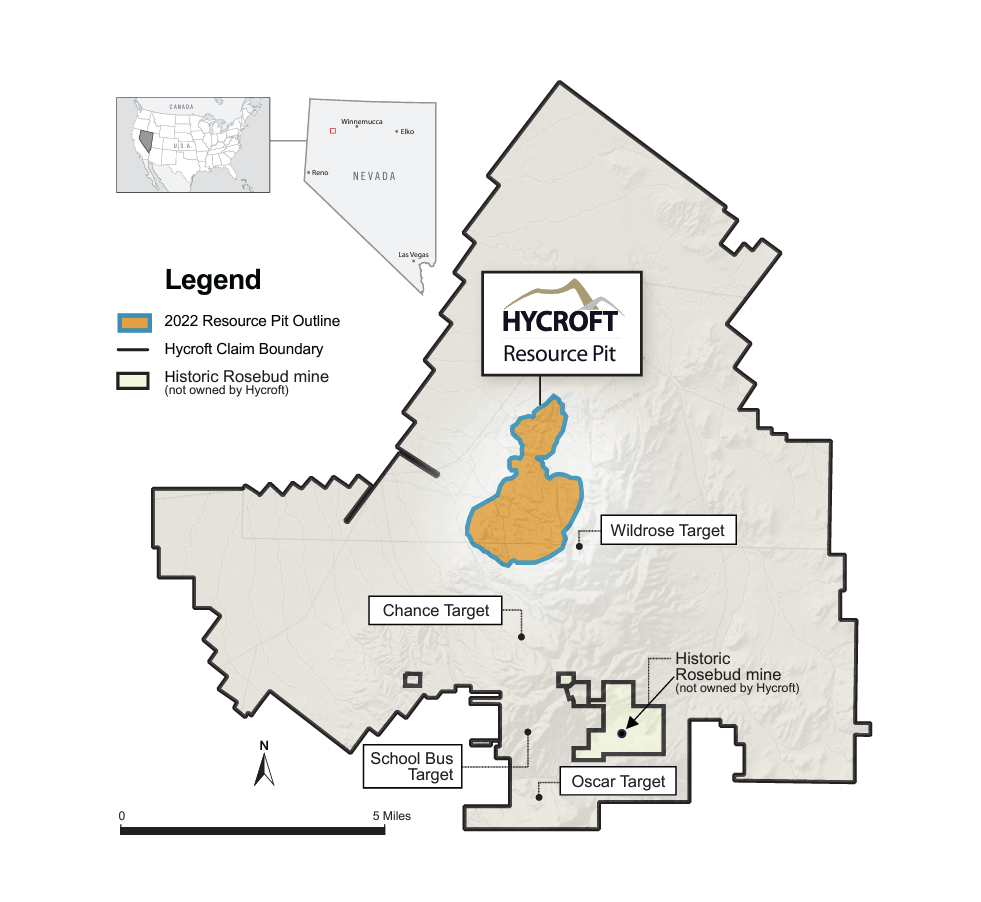
| State of Nevada - Project Location | |||||||||||||||||||
| Identify notable exclusions of the geographical and/or business scope of the report, and reference of any existing or planned reports that do or will address these (e.g., assets recently divested or acquired, non-managed joint ventures, specific exploration activities, recently closed sites, etc.) | None | ||||||||||||||||||
| Reporting Practice | |||||||||||||||||||
| Provide a list of all legal entities included in its sustainability reporting | Hycroft Mining Holding Corporation | ||||||||||||||||||
| Does the organization have audited consolidated financial statements or financial information filed on public record | Yes | ||||||||||||||||||
| If the organization has audited consolidated financial statements or financial information filed on public record, specify the differences between the list of entities included in its financial reporting and the list included in its sustainability reporting | None | ||||||||||||||||||
| Does the organization consist of multiple entities | No | ||||||||||||||||||
| Does the approach involve adjustments to information for minority interests | No | ||||||||||||||||||
| Does the approach used for consolidating the information differ across the disclosures in this Standard (GRI 2) and across material topics | No | ||||||||||||||||||
| Is the data and assumptions used in preparing the sustainability-related financial disclosures consistent (to the extent possible considering the requirements of IFRS Accounting Standards or other applicable GAAP) with the corresponding data and assumptions used in preparing the related financial statements. | Yes | ||||||||||||||||||
| Report what are the restatements and the reasons for restatements, if any, from previous reporting periods | Not Applicable | ||||||||||||||||||
| Provide the full contact details (name, title, address, email and/or phone number) for an individual responsible to address questions regarding the report or its contents |
David Thomas Senior Vice President and General Manager david.thomas@hycroftmining.com T: +1 (775) 623-5260 |
||||||||||||||||||
| Currency | |||||||||||||||||||
| Unless otherwise noted, all financial figures referenced in this report are in the following currency | USD | ||||||||||||||||||
| Membership of Associations | |||||||||||||||||||
| List of the industry associations, other membership associations, and national or international advocacy organizations in which the organisation participates in a significant role, as well as any economic, environmental, and social charters, principles, or other programmes that the organisation subscribes to or supports, such as the United Nations Global Compact (UNGC), etc. | Society of Mining Engineers, Nevada Mining Association | ||||||||||||||||||
| Scale of the Organization | |||||||||||||||||||
| Nature of corporate ownership | Publicly owned | ||||||||||||||||||
| Legal form of corporate ownership | Incorporated entity | ||||||||||||||||||
| Describe how the organization defines its "Operation" and the sector(s) in which it is active | Hycroft Mining is a gold and silver exploration and development company that owns the Hycroft Mine in the prolific mining region of Northern Nevada. We currently have 56 employees. | ||||||||||||||||||
| Report the total number of operations | 1 | ||||||||||||||||||
| The organization's definition used for ‘mine site’ |
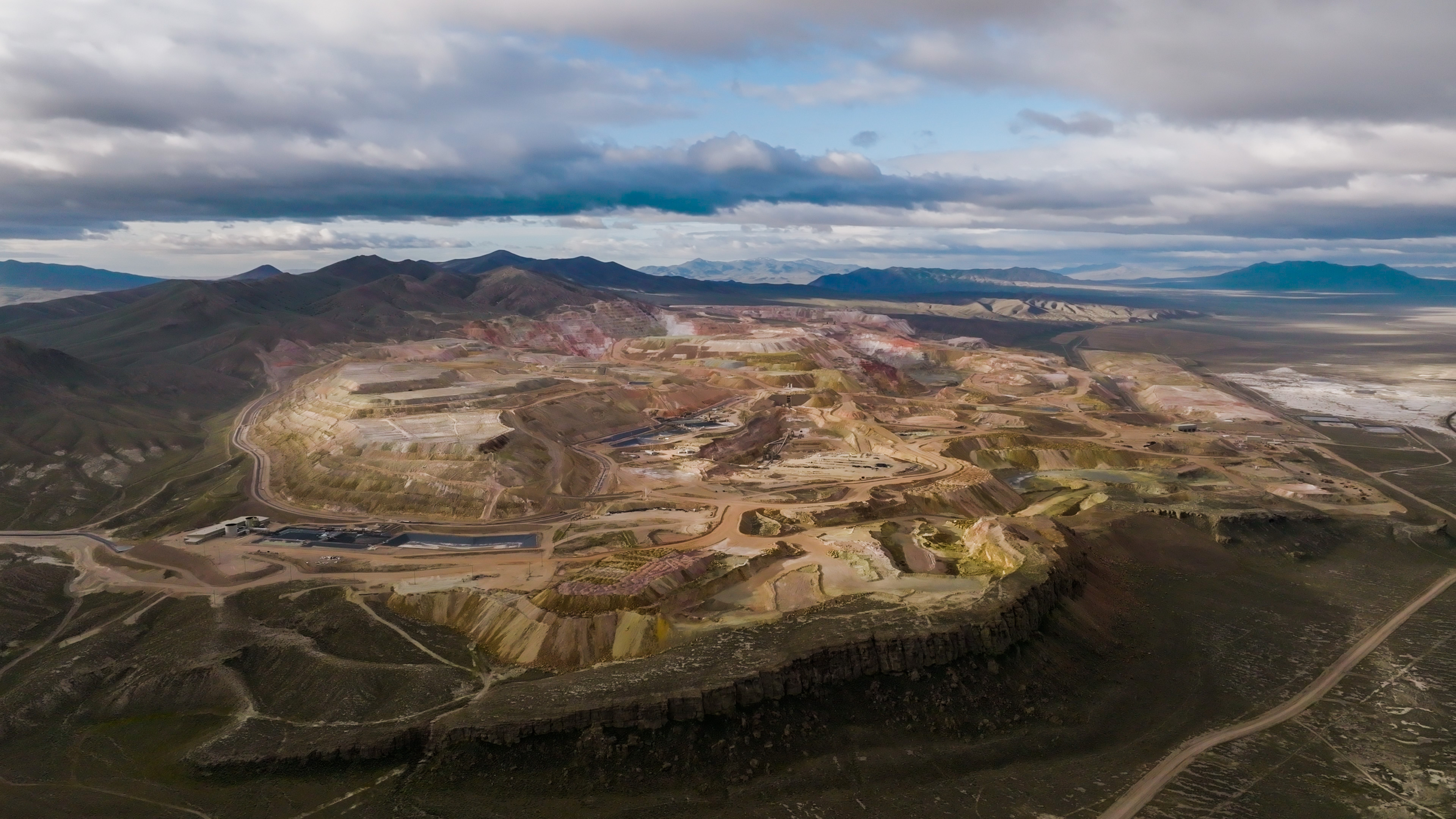
The Hycroft Mine consists of 30 private parcels with patented claims that comprise approximately 1,787 acres, and 3,247 unpatented mining claims that encompass approximately 62,298 acres. The combined patented and unpatented claims comprise approximately 64,000 acres. On May 15, 2023, the Company expanded its holdings by acquiring a 50% undivided interest in three additional mining claims, totaling approximately 60 acres. Existing facilities on-site include two administration buildings, a mobile maintenance shop, a light vehicle maintenance shop, a warehouse, three Heap Leach Pads (Crofoot, North, and Brimstone), primary, secondary, and tertiary crushing systems, two Merrill-Crowe process plants, and a refinery. Slopes on the historic Crofoot Heap Leach Pad are being regraded in accordance with the reclamation plan approved by the BLM. It is considered that the other existing components of the mine property may be utilized for future development. The Hycroft Mine operates under permit authorizations from the BLM, NDEP, NDOW, Nevada Department of Water Resources (“NDWR”), and County agencies. |
||||||||||||||||||
| Mine site #1: Name of the site | Hycroft Mine | ||||||||||||||||||
 |
|||||||||||||||||||
| Hycroft Mine | |||||||||||||||||||
| Mine site #1: Geographic location (country and coordinates) |
State of Nevada, USA The Hycroft property (the Mine) is situated on the western flank of the Kamma Mountains on the eastern edge of the Black Rock Desert approximately 54 miles west of Winnemucca in Humboldt and Pershing Counties, Nevada. The Mine property straddles Townships 34, 35, 35½ and 36 North and Ranges 28, 29 and 30 East (MDB&M) with an approximate latitude 40°52’ north and longitude 118°41’ west. |
||||||||||||||||||
| Mine site #1: Size (hectares) | 28,600.000 | ||||||||||||||||||
| There are 70,671 acres, converted to hectares (1 acre = 0.404 hectares) = 28,600 hectares. | |||||||||||||||||||
| Fragile and Conflict-Affected Situations | |||||||||||||||||||
| Identify all of the entity's countries of operations that align with the World Bank's list of "Fragile and Conflict-Affected Situations" | None | ||||||||||||||||||
| Mineral Resource Types in Scope | |||||||||||||||||||
| Which of the following mineral resource types are covered by this report |
|
||||||||||||||||||
| The Hycroft Mine has measured and indicated mineral resources of 10.6 million ounces of gold and 360.7 million ounces of silver and inferred mineral resources of 3.4 million ounces of gold and 96.1 million ounces of silver, which are contained in oxide, transitional, and sulfide ores. (2023 Hycroft TRS) | |||||||||||||||||||
| Mineral Reserve Types in Scope | |||||||||||||||||||
| Which of the following mineral reserve types are covered by this report | None | ||||||||||||||||||
| Strategy | |||||||||||||||||||
| Corporate Purpose, Vision, Mission and Values; statements of sustainability/ESG strategy | https://hycroftmining.com/sustainability/overview/ | ||||||||||||||||||
| Provide a statement from the highest governance body or most senior executive of the organization (i.e., CEO, chair, or equivalent senior position) about the relevance of sustainable development to the organization and its strategy for contributing to sustainable development. (CEO's message for this report) | Please refer to the CEO Statement attached. | ||||||||||||||||||
 |
 |
||||||||||||||||||
| President and CEO, Diane Garrett | |||||||||||||||||||
| CEO Statement | |||||||||||||||||||
| Material Topics | |||||||||||||||||||
| Governance of Material Topics | |||||||||||||||||||
| Describe the process followed to determine the organization's material topics | Management conducts a quarterly risk analysis internally, with input from the Board of Directors. | ||||||||||||||||||
| How did the organization identify the material topics |
|
||||||||||||||||||
| How did the organization prioritize the impacts based on their significance | Risk prioritization is based on permitting, legal and regulatory requirements, and economic outcomes. | ||||||||||||||||||
| Specify the stakeholders and experts whose views have informed the process of determining its material topics and provide details |
|
||||||||||||||||||
|
List the organization's material topics |
|
||||||||||||||||||
|
List the organization's non-material topics |
|
||||||||||||||||||
| Provide reasons for considering such topics not material, provide details | Other, please specify | ||||||||||||||||||
| The non-material topics listed are still very important factors that play a role in the permitting process and our daily activities. Due to the exploration and engineering stage of the company, as well as the location of our asset, we believe that these factors do not have a material impact on our current activities. | |||||||||||||||||||
| Report changes to the list of material topics compared to the previous reporting period | None | ||||||||||||||||||
| Material Topic #1: | Workforce Health and Safety | ||||||||||||||||||
| An explanation of why the topic is material; describe the actual and potential, negative and positive impacts on the economy, environment, and people, including impacts on their human rights | Our employees are our most valuable asset and thus safety is the central focus of our business operations. It protects our most valuable asset - as well as our shareholders' investment. | ||||||||||||||||||
|
Where the impacts occur |
Impacts may occur throughout our daily activities. | ||||||||||||||||||
| The organization’s involvement with the impacts. e.g., whether the organization has caused or contributed to the impacts, or is directly linked to the impacts through its business relationships | Both activities and business relationships. | ||||||||||||||||||
| Report whether the organization is involved with the negative impacts through its activities or as a result of its business relationships, and describe the activities or business relationships | Not applicable | ||||||||||||||||||
| Describe/provide a link to the corporate policies or commitments regarding the topic |
Please refer to our Sustainability Policy at the link provided below. |
||||||||||||||||||
| Sustainability Policy | |||||||||||||||||||
| Explain how the organization manages the topic and actions to prevent or mitigate potential negative impacts | Extensive and ongoing safety training for our employees, contractors, vendors, and any other visitors coming to site. | ||||||||||||||||||
| Describe actions to address actual negative impacts, including actions to provide for or cooperate in their remediation |
Any employee has the right and ability to shut the operation down if a perceived or real unsafe condition is occurring or about to occur, e.g., "miners' rights". |
||||||||||||||||||
| Describe actions to manage actual and potential positive impacts | Engaged in continuous improvement of our safety culture. | ||||||||||||||||||
| Report the processes used to track the effectiveness of the actions; |
|
||||||||||||||||||
| Report the goals, targets, and indicators used to evaluate progress; | Corporate goal is 0 TRIFR and 0 LTI and exceeding industry average standard rating. | ||||||||||||||||||
| Report the effectiveness of the actions, including progress toward the goals and targets; any related adjustments | The Company has achieved over 1.4 million man hours worked without an LTI surpassing the industry standard. | ||||||||||||||||||
| Lessons learned and how these have been incorporated into the organization’s operational policies and procedures | Mandatory behavioral safety training programs with aggressive employee engagement and continuous improvement in systems. | ||||||||||||||||||
| Describe how engagement with stakeholders has informed the actions taken and how it has informed whether the actions have been effective | All stakeholders have input to the continuous improvement program by identifying hazards and unsafe conditions. In addition, the above is supported by our daily and monthly site-wide safety meetings. | ||||||||||||||||||
| Material topic #1: How is the topic connected to the entity's strategy and financial performance | A good safety culture attracts talent and protects our workforce and shareholders. | ||||||||||||||||||
| Material Topic #2: | Water and Effluents | ||||||||||||||||||
| An explanation of why the topic is material; describe the actual and potential, negative and positive impacts on the economy, environment, and people, including impacts on their human rights |
Hycroft is currently an exploration and development company that is obligated to perform regular monitoring, sampling, and reporting activities to Nevada Department of Environmental Protection (NDEP). In 2024, Hycroft had zero non-conformances and zero violations from the water samples collected at the monitoring wells around the site. However, in the future, Hycroft may have operations with the potential to positively and negatively affect this environmental resource. Hycroft is mindful of the necessary environmental conservation measures required to manage water. Wherever possible, Hycroft will instill a mandate of high-quality management practices to reuse, recycle, and reduce water consumption as an example of our commitment to responsible mining. In the future, challenges will emerge, but Hycroft will address these by installing state of the art technical equipment, practices, procedures, and people capable of minimizing any negative impacts to the local community and aquatic habitats. Addressing these challenges remains pivotal for ensuring economic development with environmental and social considerations. |
||||||||||||||||||
|
Where the impacts occur |
Impacts may occur as a result of direct activities under the Company's operational control. | ||||||||||||||||||
| The organization’s involvement with the impacts. e.g., whether the organization has caused or contributed to the impacts, or is directly linked to the impacts through its business relationships | Hycroft's project's water consumption and mining activities are integral to daily operations. Hycroft has environmental control programs to mitigate the negative impacts of the project's activities. Hycroft's exploration and mining activities raise a responsibility to manage and mitigate the environmental and social consequences, ensuring that our programs are effectively implemented to address the impacts associated with its operations. | ||||||||||||||||||
| Report whether the organization is involved with the negative impacts through its activities or as a result of its business relationships, and describe the activities or business relationships | Organization's activities | ||||||||||||||||||
| Describe/provide a link to the corporate policies or commitments regarding the topic | https://hycroftmining.com/_resources/governance/HYMC-Sustainability-Policy.pdf?v=042304 | ||||||||||||||||||
| Sustainability Policy | |||||||||||||||||||
| Explain how the organization manages the topic and actions to prevent or mitigate potential negative impacts | Hycroft is a zero-discharge site for water. Therefore, all wastewater must be treated and/or contained within the existing facilities, unless formal exceptions are granted by the regulatory agencies. | ||||||||||||||||||
| Report the processes used to track the effectiveness of the actions; |
|
||||||||||||||||||
| Report the goals, targets, and indicators used to evaluate progress; | Hycroft Mining strives for zero non-compliances issued by the overseeing regulatory agencies. | ||||||||||||||||||
| Report the effectiveness of the actions, including progress toward the goals and targets; any related adjustments | In 2024, there were 0 instances of environmental non-compliance issued from the overseeing regulatory agencies. | ||||||||||||||||||
| Material topic #2: How is the topic connected to the entity's strategy and financial performance | Maintaining environmental compliance, including air and pollution control management is a key priority for Hycroft. | ||||||||||||||||||
| Material Topic #3: | Air Emissions & Pollution | ||||||||||||||||||
| An explanation of why the topic is material; describe the actual and potential, negative and positive impacts on the economy, environment, and people, including impacts on their human rights |
Hycroft is currently an exploration and development company and is obligated to perform regular monitoring, sampling, and reporting activities to Nevada Department of Environmental Protection (NDEP). In 2024, Hycroft had zero non-conformances and zero violations from the air samples collected at the monitoring wells around the site. However, in the future, Hycroft will have operations with the potential to positively and negatively affect this environmental resource. Hycroft is mindful of the necessary environmental conservation measures required to manage air and dust emissions. Wherever possible, Hycroft will install air control devices and procedures to reduce negative emissions as an example of our commitment to responsible mining. The company will train operators to recognize harmful conditions and proactively implement practices that will control air emissions. The company recognizes that there will be changes in environmental conditions that will require the installation of state-of-the-art technical equipment, practices, procedures, and people capable of minimizing any negative impacts to the local community and avian habitats. Addressing these challenges remains pivotal for ensuring economic development with environmental and social considerations. |
||||||||||||||||||
| The organization’s involvement with the impacts. e.g., whether the organization has caused or contributed to the impacts, or is directly linked to the impacts through its business relationships | Impacts may occur as a result of direct activities under the Company's operational control. | ||||||||||||||||||
| Report whether the organization is involved with the negative impacts through its activities or as a result of its business relationships, and describe the activities or business relationships | Organization's activities | ||||||||||||||||||
| Describe/provide a link to the corporate policies or commitments regarding the topic | Please refer to our Sustainability Policy at the link provided below. | ||||||||||||||||||
| Sustainability Policy | |||||||||||||||||||
| Explain how the organization manages the topic and actions to prevent or mitigate potential negative impacts |
Hycroft has established baseline limits for air and pollution emissions. Hycroft is an exploration company with very low potential for air and pollution emissions. However, air and pollution monitoring stations are in place to measure and report these conditions to the regulators. Operators are trained to recognize high dust opacity conditions and to implement necessary corrective action up to and including, terminating the use of equipment, redirecting traffic flow, and / or changing road conditions by adding a topical solution. |
||||||||||||||||||
| Describe actions to address actual negative impacts, including actions to provide for or cooperate in their remediation | Please refer to the answer provided above. | ||||||||||||||||||
| Report the processes used to track the effectiveness of the actions; |
|
||||||||||||||||||
| Report the goals, targets, and indicators used to evaluate progress; | Hycroft Mining strives for zero noncompliances issued from the overseeing regulatory agencies. | ||||||||||||||||||
| Report the effectiveness of the actions, including progress toward the goals and targets; any related adjustments | In 2024, there were zero environmental noncompliances issued from the overseeing regulatory agencies. Lessons learned and how these have been incorporated into the organization’s operational policies and procedures. | ||||||||||||||||||
| Material topic #3: How is the topic connected to the entity's strategy and financial performance | Maintaining environmental compliance, including air and pollution control management is a key priority for Hycroft. | ||||||||||||||||||
| Describe commitments to provide for or cooperate in the remediation of negative impacts that the organization identifies it has caused or contributed to | Hycroft has not caused or created negative impacts relative to its material topics. | ||||||||||||||||||
| Percentage of grievances that were addressed (or reviewed) during the reporting period | Does Not Apply | ||||||||||||||||||
| Percentage of grievances that were resolved during the reporting period | Does Not Apply | ||||||||||||||||||
| Material Topics - Strategy | |||||||||||||||||||
| Resilience | |||||||||||||||||||
| Disclose a qualitative and, if applicable, quantitative assessment of the resilience of its strategy and business model in relation to its sustainability-related risks | Risk assessments are conducted quarterly by Hycroft senior management. The purpose of these assessments is to identify potentially new or emerging risks, openly review business activities, assess available resources, and then create action plans with accountability milestones to address the concern. | ||||||||||||||||||
| How the assessment was carried out | Open discussion format using the assessment matrix with all members of the senior management staff. | ||||||||||||||||||
| Time horizon | Short-term (3 to 6 months), medium-term (six months to one year) and long term (1 to 5 years). | ||||||||||||||||||
| Supply Chain | |||||||||||||||||||
| Provide a description of the organization’s supply chain, including the types of suppliers (e.g., equipment, consumables, logistics, brokers, contractors, wholesalers, etc.) |
Heavy equipment repair and service parts. Hycroft Resources suppliers provide maintenance, repair and operational (MRO) goods and services related to the mining industry. Typical purchases include mining equipment repair and service parts, e.g. filters, pumps, valves, pipe, fittings; bulk reagents / chemicals, bulk diesel fuel, gasoline, etc. Purchases are typically direct to a local supplier, distributor, or manufacturer’s representative. Large capital purchases, e.g. mill / process equipment, may be made direct to the manufacturer. |
||||||||||||||||||
| Total estimated number of suppliers throughout its supply chain and in each tier (e.g., first tier, second tier) | 2,815 | ||||||||||||||||||
| Estimated number of first tier suppliers | 2,815 | ||||||||||||||||||
| Estimated number of second tier suppliers | 0 | ||||||||||||||||||
| Estimated number of third tier suppliers | 0 | ||||||||||||||||||
| The types of activities related to the organization’s products and services carried out by its suppliers (e.g., manufacturing, providing consulting services) |
|
||||||||||||||||||
|
• Suppliers provide goods, repair parts and replenishment MRO inventory items. • A number of suppliers provide repair / rebuild services for equipment. • We have rental agreements with suppliers for equipment we don’t have. • We utilize a number of consultants who provide industry expertise for the mining industry, e.g. environmental specialists, research and engineering firms, and process equipment / development providers. |
|||||||||||||||||||
| What is the nature of its business relationships with its suppliers |
|
||||||||||||||||||
| The sector-specific characteristics of its supply chain |
|
||||||||||||||||||
|
• Suppliers provide goods, repair parts and replenishment MRO inventory items. • A number of suppliers provide repair / rebuild services for equipment. • We have rental agreements with suppliers for equipment we don’t have. • We utilize a number of consultants who provide industry expertise for the mining industry, e.g. environmental specialists. |
|||||||||||||||||||
| The estimated monetary value of payments made to all suppliers (currency, Thousands) | 4,750 | ||||||||||||||||||
| In 2024, total goods and services spent on suppliers, contractors, service providers and rental equipment was approximately $4.75M USD. | |||||||||||||||||||
| The geographic location of its suppliers |
|
||||||||||||||||||
| Environment | |||||||||||||||||||
| Climate Change - Stewardship | |||||||||||||||||||
| Strategy | |||||||||||||||||||
| Have climate-related risks and opportunities influenced your organization’s strategy and/or financial planning | Yes | ||||||||||||||||||
|
Hycroft's focus on exploration and development for extraction of gold and silver metals is aligned with the demand for green technologies, especially silver which is used in solar power generation and a wide range of electronics. At this time, we haven't conducted a focused climate-related risk assessment due to our current focus on resource estimation. However, we acknowledge the importance of climate considerations for mine design and risk management. In addition, our projects are subject to various federal and state laws and regulations governing protection of the environment. These laws and regulations are continually changing and, in general, are becoming more restrictive, which exposes our operations to transitional climate risk. |
|||||||||||||||||||
| Does your organization have a process for identifying, assessing, and responding to climate-related risks and opportunities | No - important but not an immediate business priority | ||||||||||||||||||
| Hycroft recognizes that the potential physical impacts of climate change on the Company’s development activities or future operations are highly uncertain and would be particular to the areas in which the Company operates. These climate changes may include changes in rainfall and storm patterns and intensities, water shortages, and changing temperatures. These changes in climate could materially adversely affect mining operations, including by affecting the moisture levels and pH of ore on leach pads, could materially and adversely affect the cost to construct and operate the Hycroft Mine, and materially and adversely affect the Company’s financial performance and operations. | |||||||||||||||||||
| Is a system in place to calculate the financial implications or costs, or to make revenue projections | Yes | ||||||||||||||||||
| Describe climate-related risks and opportunities that could reasonably be expected to affect the entity’s prospects | No. Risks exist, but none with potential to have a substantive financial or strategic impact on business. | ||||||||||||||||||
| Explain, for each climate-related risk the entity has identified, whether the entity considers the risk to be a climate-related physical risk or climate-related transition risk | Hycroft considers the climate-related risks to be transitional risks and will continue to monitor events that may lead to potential business-related impacts. | ||||||||||||||||||
| Specify, for each climate-related risk and opportunity the entity has identified, over which time horizons—short, medium or long term— the effects of each climate-related risk and opportunity could reasonably be expected to occur | All of the risks are considered have a potential to occur over long periods of time. | ||||||||||||||||||
| Explain how the entity defines ‘short term’, ‘medium term’ and ‘long term’ and how these definitions are linked to the planning horizons used by the entity for strategic decision-making | Risk timeframes are defined as short-term (3 to 6 months), medium term (6 months to 1 year) and long term (1 to 5 years). Mine life for Hycroft is currently 12 years at which time the mine will transition into care and reclamation. | ||||||||||||||||||
| Risk Assessments | |||||||||||||||||||
| Have you identified any inherent climate-related risks with the potential to have a substantive financial or strategic impact on your business | No - risks exist, but none with potential to have a substantive financial or strategic impact on business | ||||||||||||||||||
| Opportunity Assessments | |||||||||||||||||||
| Have you identified any climate-related opportunities with the potential to have a substantive financial or strategic impact on your business | Other, please specify | ||||||||||||||||||
| Hycroft is assessing the opportunity to convert SO2 emissions into sulfuric acid production. This would reduce future harmful air emissions into a saleable product. | |||||||||||||||||||
| The amount of assets or business activities aligned with climate-related opportunities | 0.000 | ||||||||||||||||||
| The percentage of assets or business activities aligned with climate-related opportunities | Does Not Apply | ||||||||||||||||||
| The total amount of capital expenditure, financing or investment deployed towards climate-related risks and opportunities (currency, Thousands) | 0.000 | ||||||||||||||||||
| Business model and value chain | |||||||||||||||||||
| Describe the current and anticipated effects of climate-related risks and opportunities on the entity’s business model and value chain | Minimal | ||||||||||||||||||
| Hycroft is an exploration company on an ore body that is millions of years old. Climate changes have minimal impact on our ability to assess the terrain, identify drilling targets, drill the ore body, and / or assess the drill core. We recognize that climate changes have occurred in the past and may occur in the future. However, these changes will have minimal impact on the current business. | |||||||||||||||||||
| Strategy and decision-making | |||||||||||||||||||
| Disclose current and anticipated changes to the entity’s business model, including its resource allocation, to address climate-related risks and opportunities (for example, these changes could include plans to manage or decommission carbon-, energy- or water-intensive operations; resource allocations resulting from demand or supply-chain changes; resource allocations arising from business development through capital expenditure or additional expenditure on research and development; and acquisitions or divestments) | Future Process Plant design will seek to maximize recyclable water, minimize fuel consumption, and sale by-products including power back to the grid. | ||||||||||||||||||
| Disclose current and anticipated direct mitigation and adaptation efforts (for example, through changes in production processes or equipment, relocation of facilities, workforce adjustments, and changes in product specifications) | Future equipment selection will focus on minimizing fuel and power consumption. | ||||||||||||||||||
| Financial position, financial performance and cash flows | |||||||||||||||||||
| Disclose the effects of climate-related risks and opportunities on the entity’s financial position, financial performance and cash flows for the reporting period (current financial effects) | Risks and opportunities exist but there are currently no financial impacts to the financial position, financial performance, or cash flows. | ||||||||||||||||||
| How the entity expects its financial position to change over the short, medium and long term, given its strategy to manage climate-related risks and opportunities: | Risks and opportunities exist but there are currently no financial impacts to the financial position, financial performance, or cash flows. | ||||||||||||||||||
| Does the entity have investment and disposal plans (for example, plans for capital expenditure, major acquisitions and divestments, joint ventures, business transformation, innovation, new business areas, and asset retirements), including plans the entity is not contractually committed to | Mine closure and reclamation plan has been approved by US Bureau of Land Management (BLM) and Nevada Department of Environmental Protection. | ||||||||||||||||||
| Does the entity have planned sources of funding to implement its strategy | Yes | ||||||||||||||||||
| Explain why the entity has not provided quantitative information, if it determines that it need not provide quantitative information about the current or anticipated financial effects of a climate-related risk or opportunity | Quantitative information is dependent on the mine and process design parameters that are still in the process of being developed and have not been finalized. | ||||||||||||||||||
| Provide qualitative information about those financial effects, including identifying line items, totals and subtotals within the related financial statements that are likely to be affected, or have been affected, by that climate-related risk or opportunity, if quantative information is not disclosed | Climate-related financial impacts and qualitative information are still in the process of being developed but there is no effect to the financial position, financial performance, or cash flows of the business. | ||||||||||||||||||
| Describe how the substantive changes in operations, revenue, or expenditure due to climate change affect or could affect the organization's workers and suppliers, its contributions to economic development, and its payments to governments | Climate-related financial impacts and qualitative information are still in the process of being developed but there is no effect to the financial position, financial performance, or cash flows of the business. | ||||||||||||||||||
| Climate resilience | |||||||||||||||||||
| Does the organization have a climate change adaptation plan in place | No | ||||||||||||||||||
| Risk management: Processes and policies | |||||||||||||||||||
| Provide information about the inputs and parameters the entity uses (for example, information about data sources and the scope of operations covered in the processes) | Climate-related risks are included in the risk registry with all of the other business and operational risks. | ||||||||||||||||||
| Provide information about how the entity assesses the nature, likelihood and magnitude of the effects of those risks (for example, whether the entity considers qualitative factors, quantitative thresholds or other criteria) | Sources for information about climate-related risks and opportunities include, but not limited to, federal bulletins, correspondence with regulatory agencies, local and regional government agencies, mining associations, partnerships, and industry publications. | ||||||||||||||||||
| Provide information about whether and how the entity prioritises climate-related risks relative to other types of risk | Climate-related risks are included in the risk registry with all of the other business and operational risks. All business risks are reviewed quarterly by senior management and reviewed annually by the Board of Directors. | ||||||||||||||||||
| Provide information about how the entity monitors climate-related risks | The Environmental Department has the responsibility to monitor climate-related risks. Any updates are communicated to the General Manager. | ||||||||||||||||||
| Provide information about whether and how the entity has changed the processes it uses compared with the previous reporting period | This process has not changed from the previous reporting period. | ||||||||||||||||||
| What is the processes the entity uses to identify, assess, prioritise and monitor climate-related opportunities, including information about whether and how the entity uses climate-related scenario analysis to inform its identification of climate-related opportunities | Environmental Department has the responsibility to identify, assess, and monitor climate-related opportunities. Any updates are communicated to the General Manager. | ||||||||||||||||||
| What is the extent to which, and how, the processes for identifying, assessing, prioritising and monitoring climate-related risks and opportunities are integrated into and inform the entity’s overall risk management process | Climate-related risks and opportunities are included in the risk registry review with all of the other business and operational risks. This is conducted quarterly by Senior Management. | ||||||||||||||||||
| Climate-related targets | |||||||||||||||||||
| Has the entity set climate-related targets (note: details specific to GHG targets disclosures are under Scope 1, 2 and 3) | No | ||||||||||||||||||
| Disclose information about the entity's approach to setting and reviewing each target, and how it monitors progress against each target | Hycroft is an exploration company and generation of green-house gases is dependent on the number of exploration targets included in the mine development plan. Key process related characteristics (including climate-related activities) are monitored by the Environmental Department and reported to Senior Management on a monthly basis. | ||||||||||||||||||
| Disclose information about the entity's performance against each climate-related target and an analysis of trends or changes in the entity’s performance | Baseline metrics and trends were in the process of being developed in 2024. There are no significant changes. | ||||||||||||||||||
| Greenhouse Gas Emissions | |||||||||||||||||||
| Scope 1 | |||||||||||||||||||
| Fuel related methane (CH₄) (tonnes) | 0.139 | ||||||||||||||||||
| Fuel related nitrous oxide (N₂O) (tonnes) | 0.027 | ||||||||||||||||||
| Carbon dioxide (CO₂) (tonnes CO₂-e) | 393,104.633 | ||||||||||||||||||
| Methane (CH₄) (tonnes CO₂-e) | 3.475 | ||||||||||||||||||
| Nitrous oxide (N₂O) (tonnes CO₂-e) | 8.046 | ||||||||||||||||||
| Hydrofluorocarbon-23 (CHF₃) (tonnes CO₂-e) | 0.000 | ||||||||||||||||||
| Hydrofluorocarbon-32 (CH₂F₂) (tonnes CO₂-e) | 0.000 | ||||||||||||||||||
| Sulphur hexafluoride (SF₆) (tonnes CO₂-e) | 0.000 | ||||||||||||||||||
| Nitrogen trifluoride (NF₃) (tonnes CO₂-e) | 0.000 | ||||||||||||||||||
| Perfluoro methane (CF₄) (tonnes CO₂-e) | 0.000 | ||||||||||||||||||
| Perfluoro ethane (C₂F₆) (tonnes CO₂-e) | 0.000 | ||||||||||||||||||
| Perfluoro butane (C₄F₁₀) (tonnes CO₂-e) | 0.000 | ||||||||||||||||||
| Perfluoro hexane (C₆F₁₄) (tonnes CO₂-e) | 0.000 | ||||||||||||||||||
| The total amount of gross global Scope 1 GHG emissions (CO₂-e) (tonnes) | 393,116.154 | ||||||||||||||||||
| The percentage of its gross global Scope 1 GHG emissions that are covered under an emissions-limiting regulation or program that is intended to directly limit or reduce emissions, such as cap-and-trade schemes, carbon tax/fee systems, and other emissions control (e.g., command-and-control approach) and permit-based mechanisms | 0.3259% | ||||||||||||||||||
| Discuss any change in its Scope 1 emissions from the previous reporting period, including whether the change was due to emissions reductions, divestment, acquisition, mergers, changes in output, and/or changes in calculation methodology (i.e. any changes the entity made to the measurement approach, inputs and assumptions during the reporting period and the reasons for those changes, if any) | In 2024, there was a downturn in operations that led to a reduction in force and a reduction in on-site fuel consumption for both gasoline and diesel fuels. This led to an 32.6% reduction in overall GHG emissions. | ||||||||||||||||||
| The entity may discuss the calculation methodology for its emissions disclosure, such as if data are from continuous emissions monitoring systems (CEMS), engineering calculations, or mass balance calculations | No changes were made in the calculation methodology from the base line reporting period of 2023. | ||||||||||||||||||
| The entity may, where relevant, provide a breakdown of its emissions per resource produced or business unit | There is no breakdown required in the emission calculations. The reduction in fuel consumption was uniformly applied to all operations. | ||||||||||||||||||
| Discuss short-term, medium-term and long-term strategy or plan to manage its Scope 1 greenhouse gas (GHG) emissions |
At present, our emissions predominantly come from the utilization of diesel in our site maintenance and exploration machinery. We anticipate a potential increase in emissions once we initiate construction and transition into the production stages of site development. We recognize it is imperative to explore alternative measures to minimize our overall Scope 1 greenhouse gas emissions. This strategy aligns with our commitment to proactively address our environmental impacts and seek sustainable solutions as we progress into production. |
||||||||||||||||||
| Please discuss reduction emissions target(s) (if any) for Scope 1 in your company, how they are set and analyse the performance against the target(s) | Hycroft has not established emission targets at this time. | ||||||||||||||||||
| The timelines for the emissions reduction activity: | |||||||||||||||||||
| Start year | 2028-01-01 | ||||||||||||||||||
| Not applicable at this time. | |||||||||||||||||||
| Target year | 2028-01-01 | ||||||||||||||||||
| Base year | 2023-01-01 | ||||||||||||||||||
| Scope 1 GHG emissions in the base year (tonnes CO₂-e) | 7,789.130 | ||||||||||||||||||
| Value (tonnes CO2-e) is from the 2023 Base Year report. | |||||||||||||||||||
| The percentage change against the base year, with the base year representing the first year against which emissions are evaluated toward the achievement of the target | 0.0000% | ||||||||||||||||||
| Total base year GHG emissions | 7,789.130 | ||||||||||||||||||
| Present year GHG emissions | 393,116.154 | ||||||||||||||||||
| The context for any significant changes in emissions that triggered recalculations of the base year emissions | No changes were made in the calculation methodology from the base line reporting period of 2023. There were no recalculations from the base year reported emissions. | ||||||||||||||||||
| What is the mechanism(s) for achieving the target | Hycroft has established a measure and monitor approach until we can transition from an exploration company into a construction and operation status. | ||||||||||||||||||
| Are there any circumstances in which the target or base year emissions have been, or may be, recalculated retrospectively or the target or base year has been reset | There are no circumstances in the target or base year emissions reporting that would require a re-calculation. | ||||||||||||||||||
| Discuss the activities and investments required to achieve the plans and/or targets, and any risks or limiting factors that might affect achievement of the plans and/or targets | Hycroft is currently seeking investments based on successful exploration results that would move the company into operation status. | ||||||||||||||||||
| Discuss the scope of strategies, plans, and/or reduction targets, such as whether they pertain differently to different business units, geographies, or emissions sources | Not applicable since Hycroft is a single source and business unit. | ||||||||||||||||||
|
Source of the emission factors and the global warming potential (GWP) rates used, or a reference to the GWP source |
Hycroft used published emission factors and global warming potential rates from IPCC assessment reports based on a 100-year timeframe. | ||||||||||||||||||
| What consolidation approach is used for emissions | Not Applicable | ||||||||||||||||||
| Standards, methodologies, assumptions, and/or calculation tools used and what was the reason they have been chosen | Hycroft used the ‘2015 GHG Protocol Corporate Standard’ for all calculations. | ||||||||||||||||||
| Scope 2 | |||||||||||||||||||
| If company specific calculations are not available, provide information following the gross location-based energy indirect (Scope 2) global greenhouse gas (GHG) emissions approach: | |||||||||||||||||||
| Does the company purchase externally supplied energy (grid electricity) | Yes | ||||||||||||||||||
| Report the total electricity purchased from external suppliers for the reporting year in gigajoules (GJ) | 36,825.768 | ||||||||||||||||||
| In what jurisdiction is the source of energy (utility) located | United States of America | ||||||||||||||||||
|
Conversion factor (see Guidance): |
0.325 | ||||||||||||||||||
| Total amount of Scope 2 GHG emissions from purchased electricity (CO₂-e) (tonnes) | 3,324.551 | ||||||||||||||||||
| Does the company purchase externally supplied heat | No | ||||||||||||||||||
| Does the company purchase externally supplied steam | No | ||||||||||||||||||
| Does the company purchase externally supplied cooling | No | ||||||||||||||||||
| The total amount of gross location based global Scope 2 GHG emissions (tonnes CO₂-e) | 3,324.551 | ||||||||||||||||||
| Discuss any change in its Scope 2 emissions from the previous reporting period, including whether the change was due to emissions reductions, divestment, acquisition, mergers, changes in output, and/or changes in calculation methodology (i.e. any changes the entity made to the measurement approach, inputs and assumptions during the reporting period and the reasons for those changes, if any) | In 2024, there was a downturn in operations that led to a reduction in force and a reduction in electricity consumption. This led to an 8.4% reduction in overall Scope 2 GHG emissions. | ||||||||||||||||||
| Total amount of Scope 2 GHG emissions (CO₂-e) that are covered under emissions-limiting regulations (tonnes) for the jurisdiction in which the company is working. | 0.000 | ||||||||||||||||||
| Percentage of its gross global Scope 2 GHG emissions that are covered under an emissions-limiting regulation or program that is intended to directly limit or reduce emissions, i.e., cap-and-trade schemes, carbon tax/fee systems, and other emissions control (e.g., command-and-control approach) and permit-based mechanisms | 0.0000% | ||||||||||||||||||
| Discuss long-term and short-term strategy or plan to manage Scope 2 emissions, emissions reduction targets, and an analysis of performance against those targets | There are no plans to manage Scope 2 emissions at this time. | ||||||||||||||||||
| Please discuss reduction emissions target(s) (if any) for Scope 2 in your company, how they are set and analyse the performance against the target(s) | Hycroft does not have a reduction target for Scope 2 GHG emissions. | ||||||||||||||||||
| The timelines for the emissions reduction activity: | |||||||||||||||||||
| Start year | 2028-01-01 | ||||||||||||||||||
| Hycroft does not have a reduction target for Scope 2 GHG emissions. | |||||||||||||||||||
| Target year | 2028-01-01 | ||||||||||||||||||
| Base year | 2023-01-01 | ||||||||||||||||||
| Rationale for choosing the base year for the calculation | Does not apply. | ||||||||||||||||||
| Scope 2 GHG emissions in the base year (CO₂-e) | 3,630.631 | ||||||||||||||||||
| The percentage change against the base year, with the base year representing the first year against which emissions are evaluated toward the achievement of the target | -8.4305% | ||||||||||||||||||
| Total base year GHG emissions | 3,630.631 | ||||||||||||||||||
| Present year GHG emissions | 3,324.551 | ||||||||||||||||||
| The context for any significant changes in emissions that triggered recalculations of the base year emissions | In 2024, there was a downturn in operations that led to a reduction in force and a reduction in electricity consumption. This led to an 8.4% reduction in overall Scope 2 GHG emissions. | ||||||||||||||||||
| What is the mechanism(s) for achieving the target | Downturn in operations. | ||||||||||||||||||
| Are there any circumstances in which the target or base year emissions have been, or may be, recalculated retrospectively or the target or base year has been reset | Not at this time. Once Hycroft initiates construction and operations, the company will reset the baseline and establish appropriate GHG targets. | ||||||||||||||||||
|
Source of the emission factors and the global warming potential (GWP) rates used, or a reference to the GWP source |
Hycroft used published emission factors and global warming potential rates from IPCC assessment reports based on a 100-year timeframe . | ||||||||||||||||||
| Consolidation approach for emissions | Other, please specify | ||||||||||||||||||
| Standards, methodologies, assumptions, and/or calculation tools used and what was the reason they have been chosen | Nevada electricity grid power conversion factor used as of January 2022 (source: carbonfootprint.com). | ||||||||||||||||||
| Air Emissions | |||||||||||||||||||
| Emissions Management | |||||||||||||||||||
| Disclose the management approach regarding Emissions |
The 2024 Hycroft Air Emissions Report was received and approved by the Nevada Department of Environmental Protection Agency - SLEIS. Confirmation number: S20250128145341-FA0390-R2024. |
||||||||||||||||||
| Hycroft Resources and Development, Inc. (HRDI) currently holds four air quality permits (Class I Operating Permit to Construct- Mill; Class I Operating Permit to Construct- Gyro Crusher; Class II Operating Permit and Mercury Operating Permit to Construct) for the Hycroft Mine. Appropriate modifications to the air quality permits will be obtained from the Bureau of Air Pollution Control (BAPC) for the new Project facilities and land disturbance. As per BAPC regulations, the project air quality operating permits must be authorized by the BAPC prior to project commissioning. Pollution control equipment is and will continue to be monitored according to construction and operating permits. Fugitive dust is and will continue to be monitored and controlled according to the Surface Area Disturbance Dust Control Plan as required by BAPC. | |||||||||||||||||||
|
|
|||||||||||||||||||
| 2024 Air Emissions Inventory Report | |||||||||||||||||||
| Emissions of air pollutants that are released into the atmosphere - carbon monoxide, reported as CO (tonnes) | 1.328 | ||||||||||||||||||
| Emissions of air pollutants that are released into the atmosphere - oxides of nitrogen (NOx), reported as NOx (tonnes) | 1.442 | ||||||||||||||||||
| Emissions of air pollutants that are released into the atmosphere - oxides of sulphur (SOx), reported as SOx (tonnes) | 0.004 | ||||||||||||||||||
|
Emissions of air pollutants that are released into the atmosphere - Particulate Matter 10 micrometres or less in diameter (PM₁₀), reported as PM₁₀ (tonnes) |
0.051 | ||||||||||||||||||
| Emissions of air pollutants that are released into the atmosphere - lead and lead compounds, reported as Pb (tonnes) | 0.051 | ||||||||||||||||||
| Emissions of air pollutants that are released into the atmosphere - mercury and mercury compounds, reported as Hg (tonnes) | 0.000 | ||||||||||||||||||
| Emissions of air pollutants that are released into the atmosphere - non-methane Volatile Organic Compounds (VOCs) (tonnes) | 1.188 | ||||||||||||||||||
| Discuss the calculation methodology for emissions disclosure and specify if the data is from: | Engineering calculations | ||||||||||||||||||
| Energy | |||||||||||||||||||
| Energy Consumption | |||||||||||||||||||
| Total energy consumption within the organization (gigajoules, GJ) | 7,679,309.496 | ||||||||||||||||||
| Report the energy owned and controlled by the organization consumed in gigajoules for the following | 7,679,309.496 | ||||||||||||||||||
| Electricity purchased/generated for consumption (gigajoules, GJ) | 36,825.768 | ||||||||||||||||||
| Heating purchased/generated for consumption (gigajoules, GJ) | 0.000 | ||||||||||||||||||
| Cooling purchased/generated for consumption (gigajoules, GJ) | 0.000 | ||||||||||||||||||
| Steam purchased/generated for consumption (gigajoules, GJ) | 0.000 | ||||||||||||||||||
| Non-renewable fuel consumed (gigajoules, GJ) | 7,642,483.728 | ||||||||||||||||||
| Renewable fuel consumed (gigajoules, GJ) | 0.000 | ||||||||||||||||||
| Fuel types used from non-renewable sources | Not Applicable. | ||||||||||||||||||
| Fuel types used from renewable sources | Not applicable. | ||||||||||||||||||
| Report energy owned and controlled by the organization sold in gigajoules and report the totals for each | 0.000 | ||||||||||||||||||
| Electricity sold (gigajoules, GJ) | 0.000 | ||||||||||||||||||
| Heating sold (gigajoules, GJ) | 0.000 | ||||||||||||||||||
| Cooling sold (gigajoules, GJ) | 0.000 | ||||||||||||||||||
| Steam sold (gigajoules, GJ) | 0.000 | ||||||||||||||||||
| Report the standards, methodologies, assumptions and/or calculation tools used | 0 | ||||||||||||||||||
| Source of the conversion factors used | Not applicable. | ||||||||||||||||||
| Energy Management | |||||||||||||||||||
| Total energy consumed in aggregate, in gigajoules (GJ) (hydrocarbons and electricity) including the fuel types used (e.g., biomass, hydro-electric power or bioenergy) | 7,679,309.496 | ||||||||||||||||||
| Percentage energy consumed that was supplied by grid electricity | 0.4795% | ||||||||||||||||||
| Percentage of energy consumed that was renewable energy (does not include purchased grid-mix) | 0.0000% | ||||||||||||||||||
| Water Management - Stewardship | |||||||||||||||||||
| Quality and Quantity Dependency | |||||||||||||||||||
| Rate and explain the importance (current and future) of freshwater quality and quantity to the success of your business: | Hycroft is currently an exploration company and is finding fresh water in each of the drill holes. Currently, fresh water consumption is minimal, and used to sustain office lavatories. In the future, fresh water consumption will be minimal, and will be used for reagent make-up. | ||||||||||||||||||
| Direct use importance rating | Not very important | ||||||||||||||||||
| Indirect use importance rating | Not very important | ||||||||||||||||||
| Rate and explain the importance (current and future) of sufficient quantity of recycled, brackish and/or produced water for the success of your business: | Hycroft current uses a minimal amount of recycled water from the exploration drill holes for drill cooling and mud dilution. In the future, 99% of the water consumed in the process plant will be recycled water from the Tailing Storage Facility. | ||||||||||||||||||
| Direct use importance rating | Important | ||||||||||||||||||
| Indirect use importance rating | Important | ||||||||||||||||||
| Risk Assessments | |||||||||||||||||||
| Does your organization undertake a water-related risk assessment | Yes, water-related risks are assessed | ||||||||||||||||||
|
The Hycroft Mine currently has water rights which are believed adequate to support potential future operations. Hycroft controls a total of 16 separate water right permits administered by the NDWR. These permits are held in ownership either by Hycroft, or by other private parties and leased to Hycroft. Water resources to support the Mine are controlled under 11 permits in the Black Rock Desert Basin totaling 21,457.95 acre-feet per year (6.99 billion gallons per year). The Hycroft Mine is situated on the eastern edge of the Black Rock Desert and on the western flank of the Kamma Mountains between Winnemucca and Gerlach, Nevada. There are no streams, rivers or major lakes in the general area. The climate of the region is arid, with precipitation averaging 7.7 inches per year. Average temperatures during the summer range from 50°F to 90°F and average winter temperatures range from 20°F to 40°F. |
|||||||||||||||||||
| Have you identified any inherent water-related risks with the potential to have a substantive financial or strategic impact on operations | No | ||||||||||||||||||
| Opportunity Assessments | |||||||||||||||||||
| Have you identified any water-related opportunities with the potential to have a substantive financial or strategic impact on your business | Yes, we have identified opportunities, but are unable to realize them | ||||||||||||||||||
| Responsibility | |||||||||||||||||||
| Provide the highest management-level position(s) or committee(s) with responsibility for water-related issues | Other C-Suite Officer, please specify | ||||||||||||||||||
| The Senior Vice-President and General Manager. | |||||||||||||||||||
| Policy | |||||||||||||||||||
| Does your organization have a documented water policy | No | ||||||||||||||||||
| Select the options that best describe the scope and content of your organizations' water policy | None | ||||||||||||||||||
| Reporting | |||||||||||||||||||
| Frequency of reporting to the board on water-related issues | Quarterly | ||||||||||||||||||
| Any water quality issues or non-conformances are reported to the Board of Directors - Safety and Technical Committee (STC). This committee provides a summary report to the whole Board of Directors during their quarterly meeting. | |||||||||||||||||||
| Incentives | |||||||||||||||||||
| Do you provide incentives to C-suite employees or board members for the management of water-related issues | No, and we do not plan to introduce them in the next two years | ||||||||||||||||||
| Strategy | |||||||||||||||||||
| Are water-related issues integrated into any aspects of your long-term strategic business plan | Yes, water-related issues are integrated | ||||||||||||||||||
| If water-related issues are integrated into any aspects of your long-term strategic business plan, please describe further |
Future Process Plant will be dependent on fresh and recyclable water. Hycroft is a zero water-discharge facility, therefore water quantity and quality will be monitored closely. Fresh water will come from bore holes and depressurization wells. Depressurization wells will be installed around the open mine pit to minimize hydraulic pressure on the high walls. Recycle water will come from the Tailings Storage Facility. Water Treatment facility is designed into the Process Plant operations. |
||||||||||||||||||
| If water-related issues are integrated into any aspects of your long-term strategic business plan, identify the associated long-term time horizon | 5-10 years | ||||||||||||||||||
| Water | |||||||||||||||||||
| Reuse and recycle | |||||||||||||||||||
| Total volume of water that has been used in an operational task and is recovered and used again in an operational task, either without treatment (reuse) or with treatment (recycle) (megalitres) | 3.000 | ||||||||||||||||||
| Reused and/or recycled water as a percentage of total water consumed during the reporting period (%) | Does Not Apply | ||||||||||||||||||
| Provide details about plans to increase water reused and/or recycled, if current reuse and/or recycle rates is considered low | Hycroft will continue to use the base line year of 2023. Plans to increase recycled water are based on water quality and chemical characteristics. Hycroft will continue to measure and monitor these characteristics and seek to alternate application whenever possible. | ||||||||||||||||||
| Water Management | |||||||||||||||||||
| Disclose the amount of water that was withdrawn from all sources (in thousands of cubic meters) | 3,000.000 | ||||||||||||||||||
| Surface water - including water from wetlands, rivers, lakes, and oceans - (in thousands of cubic meters) | 0.000 | ||||||||||||||||||
| Ground water (in thousands of cubic meters) | 3,000.000 | ||||||||||||||||||
| Rain water collected directly and stored by the company (in thousands of cubic meters) | 0.000 | ||||||||||||||||||
| Waste water obtained from other entities (in thousands of cubic meters) | 0.000 | ||||||||||||||||||
| Municipal water supplies (in thousands of cubic meters) | 0.000 | ||||||||||||||||||
| Other water utilities (in thousands of cubic meters) | 0.000 | ||||||||||||||||||
| Other, please specify (in thousands of cubic meters) | 0.000 | ||||||||||||||||||
| Disclose the amount of water that was withdrawn from non-freshwater sources (in thousands of cubic meters) | 0.000 | ||||||||||||||||||
| Disclose the amount of water that was withdrawn from fresh water sources (in thousands of cubic meters) | 3,000.000 | ||||||||||||||||||
| Disclose the amount of fresh water that was consumed in its operations (in thousands of cubic meters) | 3,000.000 | ||||||||||||||||||
| Analyse and list all operations for water risks and identify activities that withdraw and consume water in locations with High (40–80%) or Extremely High (>80%) Baseline Water Stress as classified by the World Resources Institute’s (WRI) Water Risk Atlas tool, Aqueduct | Ground water is extracted from local on-site wells in accordance with active permits. None of these well sites are located within High or Extremely High Baseline Water Stress locations. | ||||||||||||||||||
|
Hycroft operates in northern Nevada, USA and there are no areas of High or Extremely High Baseline Water Stress locations within 1500 km of the Company's planned area of operation. According to the World Resources Institute's (WRI) Water Risk Atlas Tool, the planned area of operation's baseline water stress is low-medium. Hycroft will monitor groundwater sources according to State of Nevada, Department of Environmental Protection standards and will maintain water quality and quantity for wildlife, livestock, and human consumption to State of Nevada standards. Protection measures shall be taken to control potential artesian groundwater flows. |
|||||||||||||||||||
| Disclose the fresh water withdrawn in locations with High or Extremely High Baseline Water Stress as a percentage of the total water withdrawn | 0.0000% | ||||||||||||||||||
| Disclose water withdrawn in locations with High or Extremely High Baseline Water Stress (in thousands of cubic meters) | 0.000 | ||||||||||||||||||
| Disclose fresh water consumed in locations with High or Extremely High Baseline Water Stress as a percentage of the total water consumed | 0.0000% | ||||||||||||||||||
| Total water consumed in locations with high or extremely high baseline water stress (in thousands of cubic meters) | 0.000 | ||||||||||||||||||
| Was your organization subject to any fines, enforcement orders, and/or other penalties for water-related regulatory violations | No | ||||||||||||||||||
|
Total number of incidents of non-compliance associated with water quality permits, standards, and regulations, including violations of a technology-based standard and exceedances of quality-based standards (note: only those that resulted in a formal enforcement action(s)) |
0 | ||||||||||||||||||
| There were no incidents of non-compliance associated with water quality permits, standards, or regulations issued from the regulators in 2024. | |||||||||||||||||||
| Total number of violations - continuous discharges, limitations, standards, and prohibitions that are generally expressed as maximum daily, weekly average, and monthly average (regardless of their measurement methodology or frequency) | 0 | ||||||||||||||||||
| Total number of violations - non-continuous discharges and limitations that are generally expressed in terms of frequency, total mass, maximum rate of discharge, and mass or concentration of specified pollutants (regardless of their measurement methodology or frequency) | 0 | ||||||||||||||||||
| Total number of violations - other, please specify | 0 | ||||||||||||||||||
| Water and Effluents | |||||||||||||||||||
| Water Withdrawal by Segment | |||||||||||||||||||
| Total water withdrawn by segment, in megalitres (ML) | 3.000 | ||||||||||||||||||
| Surface water (total in ML) | 0.000 | ||||||||||||||||||
| Freshwater (≤1,000 mg/L Total Dissolved Solids or TDS) | 0.000 | ||||||||||||||||||
| Other water (>1,000 mg/L Total Dissolved Solids or TDS) | 0.000 | ||||||||||||||||||
| Groundwater (total in ML) | 3.000 | ||||||||||||||||||
| Freshwater (≤1,000 mg/L Total Dissolved Solids or TDS) | 3.000 | ||||||||||||||||||
| Other water (>1,000 mg/L Total Dissolved Solids or TDS) | 0.000 | ||||||||||||||||||
| Seawater (total in ML) | 0.000 | ||||||||||||||||||
|
Produced water (total in ML) |
0.000 | ||||||||||||||||||
| Freshwater (≤1,000 mg/L Total Dissolved Solids or TDS) | 0.000 | ||||||||||||||||||
| Other water (>1,000 mg/L Total Dissolved Solids or TDS) | 0.000 | ||||||||||||||||||
|
Third-party water (total in ML) |
0.000 | ||||||||||||||||||
| Freshwater (≤1,000 mg/L Total Dissolved Solids or TDS) | 0.000 | ||||||||||||||||||
| Other water (>1,000 mg/L Total Dissolved Solids or TDS) | 0.000 | ||||||||||||||||||
| Report on the total water withdrawal from all areas with water stress in megalitres (ML), and a breakdown of this total by the following sources | 0.000 | ||||||||||||||||||
|
Surface water (total in ML) |
0.000 | ||||||||||||||||||
| Freshwater (≤1,000 mg/L Total Dissolved Solids or TDS) | 0.000 | ||||||||||||||||||
| Other water (>1,000 mg/L Total Dissolved Solids or TDS) | 0.000 | ||||||||||||||||||
| Groundwater (total in ML) | 0.000 | ||||||||||||||||||
| Freshwater (≤1,000 mg/L Total Dissolved Solids or TDS) | 0.000 | ||||||||||||||||||
| Other water (>1,000 mg/L Total Dissolved Solids or TDS) | 0.000 | ||||||||||||||||||
| Seawater (total in ML) | 0.000 | ||||||||||||||||||
|
Produced water (total in ML) |
0.000 | ||||||||||||||||||
| Freshwater (≤1,000 mg/L Total Dissolved Solids or TDS) | 0.000 | ||||||||||||||||||
| Other water (>1,000 mg/L Total Dissolved Solids or TDS) | 0.000 | ||||||||||||||||||
| Third-party water, in megalitres (ML), and a breakdown of this total by the withdrawal sources | 0.000 | ||||||||||||||||||
| Surface water source | Not applicable | ||||||||||||||||||
| Surface water | 0.000 | ||||||||||||||||||
| Groundwater source | Not applicable | ||||||||||||||||||
| Groundwater | 0.000 | ||||||||||||||||||
| Seawater source | 0 | ||||||||||||||||||
| Seawater | 0.000 | ||||||||||||||||||
| Produced water source | Not applicable | ||||||||||||||||||
| Produced water | 0.000 | ||||||||||||||||||
| Report any contextual information necessary to understand how the data was compiled, i.e., any standards, methodologies, and assumptions used | Hycroft uses ground water from the local onsite fresh water wells that are controlled and permitted through the Nevada Department of Environmental Protection. | ||||||||||||||||||
| Water Consumption | |||||||||||||||||||
| Report the total water consumption from all areas in megalitres | 3,000.000 | ||||||||||||||||||
| Report the total water consumption from all areas with water stress in megalitres | 0.000 | ||||||||||||||||||
| Waste Management | |||||||||||||||||||
| Tailings Storage Facilities Management | |||||||||||||||||||
| Does your company manage Tailings Storage Facilities | No | ||||||||||||||||||
| Disclose the approach to the development of Emergency Preparedness and Response Plans (EPRPs) | Hycroft does not currently have or operate a Tailings Storage Facility. | ||||||||||||||||||
| Critical Incident Management | |||||||||||||||||||
| Response Preparedness | |||||||||||||||||||
| Describe the organization’s approach to emergency preparedness and response plans | Emergency Preparedness and Response Plan will be required prior to becoming operational. Hycroft is committed to constructing, commissioning, and operating our facilities in accordance with industry standards at that time. | ||||||||||||||||||
|
|
|||||||||||||||||||
| Emergency Response Plan | |||||||||||||||||||
| Frequency of testing the plans | Semi-annually | ||||||||||||||||||
| How engagement with local communities, workers, public sector agencies, first responders, and local authorities and institutions has informed the plans | Emergency Plan has been shared with local first responder authorities. Members of the Hycroft Security team are also members of the local emergency institutions. | ||||||||||||||||||
| Report the number of critical incidents in the reporting period | 0 | ||||||||||||||||||
| Report the percentage of mine sites that have emergency preparedness and response plans in place (%) | 100.0000% | ||||||||||||||||||
| List the sites that do not have emergency preparedness and response plans | Hycroft has one site and it is covered by the Emergency Response Plan. | ||||||||||||||||||
| Biodiversity | |||||||||||||||||||
| Management Plan | |||||||||||||||||||
| Describe the environmental and biodiversity management plan(s) implemented at active sites |
Approved Environmental Plan received October 2019. |
||||||||||||||||||
| Under the Environmental Impact Statement, the project alternatives to be implemented by Hycroft will have no impact on any threatened or endangered listed species and will result in fewer acres of habitat loss. Annual monitoring, mitigation, and adaptive management procedures are conducted to reduce impacts on wildlife including avian species. Coordination with agencies having regulatory authority (e.g. Nevada Department of Wildlife (NDOW) and U.S. Fish and Wildlife Service (USFWS)) occur as necessary to limit impacts to wildlife. | |||||||||||||||||||
|
|
|
||||||||||||||||||
| EIS Monitoring Plan | Golden Eagle Monitoring Plan | ||||||||||||||||||
| 1.1 Lifecycle stages to which the plan(s) apply | Exploration and appraisal | ||||||||||||||||||
| 1.2 The topics addressed by the plan(s) |
|
||||||||||||||||||
| 1.3 The underlying references for its plan(s), including whether they are codes, guidelines, standards, or regulations; whether they were developed by the entity, an industry organization, a third-party organization (e.g., a non-governmental organization, a governmental agency, or some combination of these groups) | The Environmental Impact Statement (EIS) is an industry-standard developed by the regulators (US Bureau of Land Management). | ||||||||||||||||||
| What is the biodiversity management plan implementation rate | The EIS Plan is current and will be effect through mine life and will exist during site reclamation. | ||||||||||||||||||
| Impacts of Policies and Procedures | |||||||||||||||||||
| Where relevant, describe specific policies and practices that apply to areas with protected conservation status and/or areas of critical habitat, which are defined by the International Finance Corporation (IFC) Performance Standard 6 | There are no areas with "protected conservation status or areas of critical habitat" within the mine permitted boundaries. | ||||||||||||||||||
| If the management policies and practices do not apply to all of the entity’s sites or operations, indicate the percentage of sites to which they were applied | 100.0000% | ||||||||||||||||||
| Where environmental management policies and practices differ significantly by mineral resource (e.g., bauxite mining as compared to silver mining) then describe differences for each resource | Environmental management policies, practices, and procedures are in compliance with regulatory standards for a gold and silver mine and extraction processes. | ||||||||||||||||||
| Impacts | |||||||||||||||||||
| Percentage of sites in or near ecologically sensitive areas | 0.0000% | ||||||||||||||||||
| Does access to the site involve traversing a protected area | No | ||||||||||||||||||
| Do any of the entities concessions share a watershed with a protected area | No | ||||||||||||||||||
| Provide context and description of site access involving traversing protected areas, and/or watersheds shared with a protected area. Include reference to measures in place to assure access, any proactive programs to support the biodiversity of the protected area, and any formal complaints or compliance issues and related steps to resolve |
Hycroft Mine is located on Jungo Road which is a 101-mile public road in Northern Nevada, connecting the towns of Gerlach and Winnemucca. Site location is 58 miles from Winnemucca, Nevada. Access to site does not traverse protected areas or water sheds. Hycroft Mine is located in an area with biodiversity considerations. As a result, the company will conduct a nest survey within potential breeding habitat prior to any surface disturbance during the avian breeding season, and install fences and netting to prevent access by avian wildlife, livestock, and larger wildlife. The Company will also conduct a noxious weed survey within the entire plan of operations boundary, and monitor for the presence of noxious weeds in accordance with the Hycroft Noxious Weed Monitoring and Control Plan. Following construction activities, areas of disturbed land no longer required for operations will be reclaimed to promote the reestablishment of native plant and wildlife habitats. |
||||||||||||||||||
| Percentage of proven reserves in sites with protected conservation status or in areas of endangered species habitat | Does Not Apply | ||||||||||||||||||
| Grade of proven reserves located in areas either with protected conservation status or in areas of endangered species habitat - Metals | |||||||||||||||||||
| Gold (Au) (grams per tonne) | 0.000 | ||||||||||||||||||
| Silver (Ag) (grams per tonne) | 0.000 | ||||||||||||||||||
| Percentage of probable reserves in sites with protected conservation status or in areas of endangered species habitat | Does Not Apply | ||||||||||||||||||
| Grade of probable reserves located in areas either with protected conservation status or in areas of endangered species habitat - Metals | |||||||||||||||||||
| Gold (Au) (grams per tonne) | 0.000 | ||||||||||||||||||
| Silver (Ag) (grams per tonne) | 0.000 | ||||||||||||||||||
| Titanium (Ti) (parts per million, ppm) | 0.000 | ||||||||||||||||||
| Zinc (Zn) (% per tonne) | 0.000 | ||||||||||||||||||
| Social | |||||||||||||||||||
| Scale of the Organization | |||||||||||||||||||
| Direct Employee Information | |||||||||||||||||||
| Total number of permanent full-time employees | 56 | ||||||||||||||||||
| Full-time - Male | 35 | ||||||||||||||||||
| Full-time - Female | 21 | ||||||||||||||||||
| Full-time - Non-binary | 0 | ||||||||||||||||||
| Full-time - Gender not disclosed | 0 | ||||||||||||||||||
| Total number of permanent part-time employees | 0 | ||||||||||||||||||
| Part-time - Male | 0 | ||||||||||||||||||
| Part-time - Female | 0 | ||||||||||||||||||
| Part-time - Non-binary | 0 | ||||||||||||||||||
| Part-time - Gender not disclosed | 0 | ||||||||||||||||||
| Total number of permanent employees (full-time & part-time) | 56 | ||||||||||||||||||
| Permanent employees - Male | 35 | ||||||||||||||||||
| Permanent employees - Female | 21 | ||||||||||||||||||
| Permanent employees -Non-binary | 0 | ||||||||||||||||||
| Permanent employees - Gender not disclosed | 0 | ||||||||||||||||||
| Total number of temporary employees (full-time & part-time) | 0 | ||||||||||||||||||
| Temporary employees - Male | 0 | ||||||||||||||||||
| Temporary employees - Female | 0 | ||||||||||||||||||
| Temporary employees - Non-binary | 0 | ||||||||||||||||||
| Temporary employees - Gender not disclosed | 0 | ||||||||||||||||||
| Total number of direct employees (includes full-time permanent, part-time permanent, temporary; exclude workers who are not employees) | 56 | ||||||||||||||||||
| Direct employees - Male | 35 | ||||||||||||||||||
| Direct employees - Female | 21 | ||||||||||||||||||
| Direct employees - Non-binary | 0 | ||||||||||||||||||
| Direct employees - Gender not disclosed | 0 | ||||||||||||||||||
| Percentage of direct employees - Male | 62.5000% | ||||||||||||||||||
| Percentage of direct employees - Female | 37.5000% | ||||||||||||||||||
| Percentage of direct employees - Non-binary | 0.0000% | ||||||||||||||||||
| Percentage of direct employees - Gender not disclosed | 0.0000% | ||||||||||||||||||
| Out of the total direct employees, what is the number of non-guaranteed hours direct employees | 0 | ||||||||||||||||||
| Non-guaranteed hours - Male | 0 | ||||||||||||||||||
| Non-guaranteed hours - Female | 0 | ||||||||||||||||||
| Non-guaranteed hours - Non-binary | 0 | ||||||||||||||||||
| Non-guaranteed hours - Gender not disclosed | 0 | ||||||||||||||||||
| Describe the methodologies and assumptions used to compile the data | Data source is from the position application forms within the Human Resources Department. | ||||||||||||||||||
| Hycroft uses a Human Resources Information System (HRIS) to maintain employee key critical information. | |||||||||||||||||||
| Are the numbers reported in head count, full-time equivalent (FTE), or using another methodology | Head count | ||||||||||||||||||
| Are the numbers reported at the end of the reporting period, as an average across the reporting period, or using another methodology | At the end of the reporting period | ||||||||||||||||||
| Describe significant fluctuations, if any, in the number of direct employees during the reporting period and between reporting periods | Fluctuations occurred based on operational demand. In 2024, there was a reduction in force of 21 people (36%) as the company focus further transitioned to an exploration-based operation. | ||||||||||||||||||
| Number of direct employees hired locally | 56 | ||||||||||||||||||
| Number of direct employees hired locally as a percentage of total number of direct employees | 100.0000% | ||||||||||||||||||
| Describe how the entity defines "local" | "Locally" is defined as within 100-mile radius of Winnemucca, Nevada, USA. | ||||||||||||||||||
| Workers Who are Not Employees | |||||||||||||||||||
| Total number of workers who are not employees - Male (full-time, part-time) | 29 | ||||||||||||||||||
| Full-time - Male | 29 | ||||||||||||||||||
| Part-time - Male | 0 | ||||||||||||||||||
| Total number of workers who are not employees - Female (full-time, part-time) | 3 | ||||||||||||||||||
| Full-time - Female | 3 | ||||||||||||||||||
| Part-time - Female | 0 | ||||||||||||||||||
| Total number of workers who are not employees - Non-Binary (full-time, part-time) | 0 | ||||||||||||||||||
| Full-time - Non-binary | 0 | ||||||||||||||||||
| Part-time - Non-binary | 0 | ||||||||||||||||||
| Total number of workers who are not employees - Gender not disclosed (full-time, part-time) | 0 | ||||||||||||||||||
| Full-time - Gender not disclosed | 0 | ||||||||||||||||||
| Part-time - Gender not disclosed | 0 | ||||||||||||||||||
|
Total number of workers who are not employees and whose work is controlled by the organization (e.g., suppliers, customers, or other business partners, such as in joint ventures) |
32 | ||||||||||||||||||
| Percentage of workers who are not employees - Male | 90.6250% | ||||||||||||||||||
| Percentage of workers who are not employees - Female | 9.3750% | ||||||||||||||||||
| Percentage of workers who are not employees - Non-binary | 0.0000% | ||||||||||||||||||
| Percentage of workers who are not employees - Gender not disclosed | 0.0000% | ||||||||||||||||||
| Describe the most common types of workers who are not employees and their contractual relationship with the organization | These individuals are Contractors, Service Providers, and Suppliers. | ||||||||||||||||||
| The type of work they perform | Site or Task specific services - heavy equipment operators, truck drivers, drillers, geotechnical geologists, mine modelers, and delivery drivers. | ||||||||||||||||||
| Describe the methodologies and assumptions used to compile the information about workers who are not employees. | Total hours on site divided by 2080 hours per man. | ||||||||||||||||||
| Is the number of workers who are not employees reported in head count, full-time equivalent (FTE), or using another methodology | Full-time equivalent | ||||||||||||||||||
| Is the number of workers who are not employees reported at the end of the reporting period, as an average across the reporting period, or using another methodology | At the end of the reporting period | ||||||||||||||||||
| Describe significant fluctuations, if any, in the number of workers who are not employees during the reporting period and between reporting periods | There were no significant fluctuations in this category. | ||||||||||||||||||
| Number of workers who are not employees hired locally | 26 | ||||||||||||||||||
| Number of workers who are not employees hired locally as a percent of total number of workers who are not employees | 81.2500% | ||||||||||||||||||
| Total Workforce | |||||||||||||||||||
| Total workforce (includes direct employees and workers who are not employees) | 88 | ||||||||||||||||||
| Total female workforce | 24 | ||||||||||||||||||
| Female workforce as percentage of total employed workforce | 27.2727% | ||||||||||||||||||
| Total male workforce | 64 | ||||||||||||||||||
| Male workforce as percentage of total employed workforce | 72.7273% | ||||||||||||||||||
| Total non-binary workforce | 0 | ||||||||||||||||||
| Non-binary workforce as percentage of total employed workforce | 0.0000% | ||||||||||||||||||
| Total workforce with gender not disclosed | 0 | ||||||||||||||||||
| Workforce with gender not disclosed as percentage of total employed workforce | 0.0000% | ||||||||||||||||||
| Workers who are not employees (contractors) as percentage of total employed workforce | 36.3636% | ||||||||||||||||||
| Total workforce who are hired locally | 82 | ||||||||||||||||||
| Total workforce hired locally as a percent of total workforce | 93.1818% | ||||||||||||||||||
| Employment | |||||||||||||||||||
| Turnover & Gender Breakdown | |||||||||||||||||||
| Female direct employees: | |||||||||||||||||||
| Total number of turnover (the number of females that left during the period) | 10 | ||||||||||||||||||
| There two individuals that left voluntarily for other opportunities. There were eight individuals that left involuntarily due to the reduction in force. | |||||||||||||||||||
| Rate of turnover, females | 40.8163% | ||||||||||||||||||
| Male direct employees: | |||||||||||||||||||
| Total number of turnover (the number of males that left during the period) | 19 | ||||||||||||||||||
| Rate of turnover, males | 44.7059% | ||||||||||||||||||
| Non-binary direct employees: | |||||||||||||||||||
| Total number of turnover (the number non-binary that left during the period) | 0 | ||||||||||||||||||
| Rate of turnover, non-binary | Does Not Apply | ||||||||||||||||||
| Gender not disclosed employees: | |||||||||||||||||||
| Total number of turnover (the number of "gender not disclosed" direct employees" that left during the period) | 0 | ||||||||||||||||||
| Rate of turnover, "gender not disclosed" | Does Not Apply | ||||||||||||||||||
| Report the total number and rate of turnover for all Direct Employees: | |||||||||||||||||||
| Total number of turnover (the number that left during the period) | 29 | ||||||||||||||||||
| Rate of turnover - direct employees | 43.2836% | ||||||||||||||||||
| Turnover & Age Breakdown | |||||||||||||||||||
| Direct Employees aged 30 years old and under: | |||||||||||||||||||
| Total number of turnover (the number that left during the period) | 2 | ||||||||||||||||||
| Number at end of period as percent of total direct employees | 7.1429% | ||||||||||||||||||
| Rate of turnover | 36.3636% | ||||||||||||||||||
| Direct Employees aged between 30 and 50 years old: | |||||||||||||||||||
| Total number of turnover (the number that left during the period) | 15 | ||||||||||||||||||
| Number at end of period as percent of total direct employees | 41.0714% | ||||||||||||||||||
| Rate of turnover | 51.7241% | ||||||||||||||||||
| Direct Employees over 50 years old: | |||||||||||||||||||
| Total number of turnover (the number that left during the period) | 12 | ||||||||||||||||||
| Number at end of period as percent of total direct employees | 51.7857% | ||||||||||||||||||
| Rate of turnover | 36.9231% | ||||||||||||||||||
| Identify types of employees captured in the turnover rate calculations | All employees on the payroll | ||||||||||||||||||
| Average age of direct employees | 50 | ||||||||||||||||||
| Diversity and Equal Opportunity | |||||||||||||||||||
| Diversity of Governance Bodies | |||||||||||||||||||
| The highest governance body (Board of Directors) | |||||||||||||||||||
| Total Board of Directors | 7 | ||||||||||||||||||
| Percent of the highest governance body - Male | 71.4286% | ||||||||||||||||||
| Percent of the highest governance body - Female | 28.5714% | ||||||||||||||||||
| Percent of the highest governance body - Non-Binary | 0.0000% | ||||||||||||||||||
| Percent of the highest governance body - Gender not disclosed | 0.0000% | ||||||||||||||||||
| Percent of the highest governance body - under 30 years of age | 0.0000% | ||||||||||||||||||
| Percent of the highest governance body - between 30 and 50 years of age | 0.0000% | ||||||||||||||||||
| Percent of the highest governance body - over 50 years of age | 100.0000% | ||||||||||||||||||
| Percent minority or vulnerable group individuals in the "highest governance body" category | 14.2857% | ||||||||||||||||||
| Diversity of Direct Employees | |||||||||||||||||||
| Senior Management: | |||||||||||||||||||
| Total Senior Managers: | 8 | ||||||||||||||||||
| Percent Male | 37.5000% | ||||||||||||||||||
| Percent Female | 62.5000% | ||||||||||||||||||
| Percent Non-Binary | 0.0000% | ||||||||||||||||||
| Percent of gender not disclosed | 0.0000% | ||||||||||||||||||
| Percent under 30 years of age | 0.0000% | ||||||||||||||||||
| Percent between 30 and 50 years of age | 0.0000% | ||||||||||||||||||
| Percent over 50 years of age | 87.5000% | ||||||||||||||||||
| Percent of minority or vulnerable group individuals in the "Senior Management Employee" category | 12.5000% | ||||||||||||||||||
| Salaried (excluding Senior Management): | |||||||||||||||||||
| Total Salaried (excluding Senior Management) | 8 | ||||||||||||||||||
| Percent Male | 50.0000% | ||||||||||||||||||
| Percent Female | 50.0000% | ||||||||||||||||||
| Percent Non-Binary | 0.0000% | ||||||||||||||||||
| Percent Gender not disclosed | 0.0000% | ||||||||||||||||||
| Percent under 30 years of age | 0.0000% | ||||||||||||||||||
| Percent between 30 and 50 years of age | 37.5000% | ||||||||||||||||||
| Percent over 50 years of age | 62.5000% | ||||||||||||||||||
| Percent of minority or vulnerable group individuals in the "Salaried Employee" category | 12.5000% | ||||||||||||||||||
| Technical Employees (skilled hourly): | |||||||||||||||||||
| Total Technical Employees | 11 | ||||||||||||||||||
| Percent Male | 90.9091% | ||||||||||||||||||
| Percent Female | 9.0909% | ||||||||||||||||||
| Percent Non-Binary | 0.0000% | ||||||||||||||||||
| Percent Gender not disclosed | 0.0000% | ||||||||||||||||||
| Percent under 30 years of age | 9.0909% | ||||||||||||||||||
| Percent between 30 and 50 years of age | 45.4545% | ||||||||||||||||||
| Percent over 50 years of age | 36.3636% | ||||||||||||||||||
| Percent of minority or vulnerable group individuals in the "Technical employee" category | 9.0909% | ||||||||||||||||||
| Production Employees (unskilled hourly): | |||||||||||||||||||
| Total Production Employees | 29 | ||||||||||||||||||
| Percent Male | 62.0690% | ||||||||||||||||||
| Percent Female | 37.9310% | ||||||||||||||||||
| Percent Non-Binary | 0.0000% | ||||||||||||||||||
| Percent Gender not disclosed | 0.0000% | ||||||||||||||||||
| Percent under 30 years of age | 13.7931% | ||||||||||||||||||
| Percent between 30 and 50 years of age | 79.3103% | ||||||||||||||||||
| Percent over 50 years of age | 6.8966% | ||||||||||||||||||
| Percent of minority or vulnerable group individual in the "Production employee" category | Does Not Apply | ||||||||||||||||||
| All Other direct employees: | |||||||||||||||||||
| Number of Males | 0 | ||||||||||||||||||
| Number of Females | 0 | ||||||||||||||||||
| Number of Non-Binary | 0 | ||||||||||||||||||
| Number of Gender not disclosed | 0 | ||||||||||||||||||
| Under 30 years of age | 0 | ||||||||||||||||||
| Between 30 and 50 years of age | 0 | ||||||||||||||||||
| Over 50 years of age | 0 | ||||||||||||||||||
| Number of minority or vulnerable groups in the "Other direct employees" category | 0 | ||||||||||||||||||
| Total Other direct employees | 0 | ||||||||||||||||||
| Percent Male | Does Not Apply | ||||||||||||||||||
| Percent Female | Does Not Apply | ||||||||||||||||||
| Percent Non-Binary | Does Not Apply | ||||||||||||||||||
| Percent Gender not disclosed | Does Not Apply | ||||||||||||||||||
| Percent under 30 years of age | Does Not Apply | ||||||||||||||||||
| Percent between 30 and 50 years of age | Does Not Apply | ||||||||||||||||||
| Percent over 50 years of age | Does Not Apply | ||||||||||||||||||
| Percent of minority or vulnerable group individual in the "Other direct employees" category | Does Not Apply | ||||||||||||||||||
| Labour Relations | |||||||||||||||||||
| Collective Bargaining Agreements | |||||||||||||||||||
| Percentage of total direct employees covered by collective bargaining agreements (%) | 0.0000% | ||||||||||||||||||
| For direct employees not covered by collective bargaining agreements, report whether the organization determines their working conditions and terms of employment based on collective bargaining agreements that cover its other employees or based on collective bargaining agreements from other organizations | Not Applicable | ||||||||||||||||||
| There are no collective bargaining employment agreements at Hycroft. | |||||||||||||||||||
| Notice Periods | |||||||||||||||||||
| Minimum number of weeks’ notice typically provided to direct employees in the active workforce and their representatives prior to the implementation of significant operational changes that could substantially affect them | 2 | ||||||||||||||||||
| Two weeks are typically provided to all employees affected by the operational change. | |||||||||||||||||||
| If your organization is subject to collective bargaining agreements, is the notice period and provisions for consultation and negotiation specified in those agreements | Not applicable | ||||||||||||||||||
| Occupational Health and Safety | |||||||||||||||||||
| Work-related Injuries | |||||||||||||||||||
| Injuries - direct employees: | |||||||||||||||||||
| Number of fatalities as a result of work-related injury | 0 | ||||||||||||||||||
| Rate of fatalities resulting from work-related injury. Note: calculating per 200,000 hours worked | 0.000 | ||||||||||||||||||
| Number of high-consequence work-related injuries (excluding fatalities) | 0 | ||||||||||||||||||
| Rate of high-consequence work-related injuries (excluding fatalities) | 0.000 | ||||||||||||||||||
| Number of recordable work-related injuries | 0 | ||||||||||||||||||
| Total recordable work-related injuries rate | 0.000 | ||||||||||||||||||
| Main types of work-related injury, e.g., confined space, trips, falls, etc. |
Not applicable. In 2024, there were no high-consequence work-related injuries. |
||||||||||||||||||
| Number of hours worked | 92,190 | ||||||||||||||||||
| Total recordable incidents for work-related injuries and illnesses | 0 | ||||||||||||||||||
| Lost Time Injuries (LTIs) | 0 | ||||||||||||||||||
| Lost Time Injury Rate (LTIR) | 0.000 | ||||||||||||||||||
| Total recordable incident rate (TRIR) for work-related injuries and illnesses - direct employees | 0.000 | ||||||||||||||||||
| Number of recordable work-related injuries and illnesses - direct employees | 0 | ||||||||||||||||||
| Number of hours worked by all direct employees in the reporting period | 0.000 | ||||||||||||||||||
| Fatality rate for work-related fatalities - direct employees | 0.000 | ||||||||||||||||||
| Number of fatalities - direct employees | 0 | ||||||||||||||||||
| Near miss frequency rate (NMFR) for work-related near misses - direct employees | 0.000 | ||||||||||||||||||
| Number of near misses - direct employees | 0 | ||||||||||||||||||
| Injuries - workers who are not employees, but whose work and/or workplace is controlled by the organization: | |||||||||||||||||||
| Number of fatalities as a result of work-related injury | 0 | ||||||||||||||||||
| Rate of fatalities resulting from work-related injury. Note: calculating per 200,000 hours worked | 0.000 | ||||||||||||||||||
| Number of high-consequence work-related injuries (excluding fatalities) | 0 | ||||||||||||||||||
| Rate of high-consequence work-related injuries (excluding fatalities) | 0.000 | ||||||||||||||||||
| Number of recordable work-related injuries | 0 | ||||||||||||||||||
| Total recordable work-related injuries rate | 0.000 | ||||||||||||||||||
| Main types of work-related injury, e.g., confined space, trips, falls, etc. |
Not applicable. In 2024, there were no high-consequence work-related injuries. |
||||||||||||||||||
| Number of hours worked | 66,560 | ||||||||||||||||||
| Total number of work-related injuries for workers who are not employees (total recordable incidents for work-related injuries and illnesses) | 0 | ||||||||||||||||||
| Lost Time Injuries (LTIs) | 0 | ||||||||||||||||||
| Lost Time Injury Rate (LTIR) | 0.000 | ||||||||||||||||||
| Total recordable incident rate (TRIR) for work-related injuries and illnesses - workers who are not employees | 0.000 | ||||||||||||||||||
| Number of recordable work-related injuries and illnesses - workers who are not employees | 0 | ||||||||||||||||||
| Number of hours worked by all workers who are not-employees in the reporting period | 0.000 | ||||||||||||||||||
| Fatality rate for work-related fatalities - workers who are not employees | 0.000 | ||||||||||||||||||
| Number of fatalities - workers who are not employees | 0 | ||||||||||||||||||
| Near miss frequency rate (NMFR) for work-related near misses - workers who are not employees | 0.000 | ||||||||||||||||||
| Number of near misses - workers who are not employees | 1 | ||||||||||||||||||
|
Combined (Employees and non-employees, but controlled by the organization): |
|||||||||||||||||||
| Total Hours Worked | 158,750 | ||||||||||||||||||
| Total number of all recordable work-related injuries | 0 | ||||||||||||||||||
| Total recordable work-related injuries rate | 0.000 | ||||||||||||||||||
| Total Lost Time Injuries (LTIs) | 0 | ||||||||||||||||||
| Lost Time Injury Rate (LTIR) | 0.000 | ||||||||||||||||||
| Total recordable incident rate (TRIR) for work-related injuries and illnesses - Combined (Employees and non-employees, but controlled by the organization) | 0.000 | ||||||||||||||||||
| Total number of recordable incidents for work-related injuries and illnesses - Combined (Employees and non-employees, but controlled by the organization) | 0 | ||||||||||||||||||
| Total Hours Worked - Combined (Employees and non-employees, but controlled by the organization) | 0.000 | ||||||||||||||||||
| Fatality rate for work-related fatalities - Combined (Employees and non-employees, but controlled by the organization) | 0.000 | ||||||||||||||||||
| Number of fatalities - Combined (Employees and non-employees, but controlled by the organization) | 0 | ||||||||||||||||||
| Near miss frequency rate (NMFR) for work-related near misses - Combined (Employees and non-employees, but controlled by the organization) | 0.000 | ||||||||||||||||||
| Number of near misses - Combined (Employees and non-employees, but controlled by the organization) | 1 | ||||||||||||||||||
| What is the process for classifying, identifying and reporting near misses | Near-miss incidents are treated with the same procedures as an accident - immediate report to the supervisor, Safety Department, and Senior Management. | ||||||||||||||||||
| Report the work-related hazards that pose a risk of high-consequence injury, including: |
Confined space; slips, trips, and falls; traffic control; electrical; working alone; and machine guarding. Hycroft operates under the guidelines of U.S. Mine Safety and Health Administration (MSHA) - Part 46. MSHA publishes hazards and lesson- learned notifications from other mines to assist in risk management, incident investigations, workplace inspections, training exercises, and improved employee awareness. |
||||||||||||||||||
| How have these hazards been determined |
MSHA notifications from other mines, experience, employee engagements, and workplace inspections. |
||||||||||||||||||
| Which of these hazards have caused or contributed to high-consequence injuries during the reporting period | Not applicable. There were no high consequence injuries during the reporting period. | ||||||||||||||||||
| Actions taken or underway to eliminate these hazards and minimize risks using the hierarchy of controls | Not applicable. There were no high consequence injuries during the reporting period, however, Hycroft is actively engaged in continuous improvement assessments to identify potential hazards and minimize their potential risks to human safety and the environment. | ||||||||||||||||||
| Report on actions taken or underway to eliminate other work-related hazards and minimize risks using the hierarchy of controls | Improved housekeeping and improved pre-task planning. | ||||||||||||||||||
| Have rates been calculated based on 200,000 or 1,000,000 hours worked | 200,000 hours worked | ||||||||||||||||||
| Were any workers excluded from this disclosure | No | ||||||||||||||||||
| Disclose any contextual information necessary to understand how the data has been compiled, i.e., any standards, methodologies, and assumptions used |
Hycroft follows the U.S. MSHA guidelines for reporting all incidents and accidents. US Mine Safety and Health Administration - Part 46 is very prescriptive on reporting all accidents and incidents. There are no exclusions. |
||||||||||||||||||
| Safety Training | |||||||||||||||||||
| Describe any occupational health and safety training provided to workers, including generic training, as well as training on specific work-related hazards, hazardous activities, or hazardous situations |
Everyone at Hycroft is required to attend 40-hr New Employee Training and 24-hr Annual Refresher Training. |
||||||||||||||||||
|
We believe that safety is a core value and we support that belief through our philosophy of safe work performance. Our mandatory mine safety and health programs include employee engagement and ownership of safety performance, accountability, employee and contractor training, risk management, workplace inspection, emergency response, accident investigation, and program auditing. This integrated approach is essential to ensure that our employees, contractors, and visitors operate safely. New employee training and Annual Refresher training is required under US MSHA guidelines and the training topics are clearly defined under Part 46. All Hycroft employees are required to complete these training exercises prior to work. There are no exclusions. |
|||||||||||||||||||
| Average number of training hours per person on health, safety, and emergency response provided to: full-time/direct employees | 43.75 | ||||||||||||||||||
| Average training hours per person on health, safety, and emergency response for workers who are not employees (contractors) | 26.56 | ||||||||||||||||||
| Conflict-affected and high-risk areas | |||||||||||||||||||
| Adherence to Laws and Due Diligence | |||||||||||||||||||
| List the locations of operations in conflict-affected or high-risk areas | None | ||||||||||||||||||
| Did the due diligence process align with the OECD Due Diligence Guidance for Responsible Supply Chains of Minerals from Conflict-Affected and High-Risk Areas | No | ||||||||||||||||||
| Security, Human Rights and Rights of Indigenous People | |||||||||||||||||||
| Describe the nature of any social risks, for all operating countries, that could have a material impact on the operations | Hycroft Mine is located in Nevada, USA. This is a location that encourages safe and secure operations. | ||||||||||||||||||
| Nevada is a right-to-work state where employees are protected under federal employment laws and every individual can speak openly, engage management on issues or concerns, and work without intimidation. Workers also have the right to terminate and seek employment elsewhere. Hycroft Mine is not located in indigenous lands but holds concessions in areas with potential impacts on cultural heritage. | |||||||||||||||||||
| Percentage of proven reserves that are located in or near areas of active conflict | Does Not Apply | ||||||||||||||||||
| In 2024, Hycroft does not have any Proven Reserves. | |||||||||||||||||||
| Percentage of probable reserves that are located in or near areas of active conflict | Does Not Apply | ||||||||||||||||||
| For 2024, Hycroft does not have any probable reserves. | |||||||||||||||||||
| Percentage of proven reserves that are located in or near areas that are considered to be indigenous peoples’ land | Does Not Apply | ||||||||||||||||||
| For 2024, Hycroft does not have any proven reserves and does not operate on land considered to be indigenous people's land. | |||||||||||||||||||
| Percentage of probable reserves that are located in or near areas that are considered to be indigenous peoples’ land | Does Not Apply | ||||||||||||||||||
| For 2024, Hycroft does not have any probable reserves and does not operate on land considered to be indigenous people's land. | |||||||||||||||||||
| Which indigenous rights of communities in which the entity operates or intends to operate are respected, provide a description of the entity's due diligence practices and procedures in the details. | Other, please specify | ||||||||||||||||||
| Not applicable. Hycroft does not operate or intends to operate on land considered to be indigenous people's land. | |||||||||||||||||||
| Which human rights procedures the entity's due diligence practices include, provide description in the details | Other, please specify | ||||||||||||||||||
| Not applicable. Hycroft does not operate or intends to operate on land considered to be indigenous people's land. | |||||||||||||||||||
| Discuss the practices and procedures while operating in areas of conflict, describing the approach according to the Five-Step Framework outlined in the OECD Due Diligence Guidance for Responsible Supply Chains of Minerals from Conflict-Affected and High-Risk Areas | Not applicable. | ||||||||||||||||||
| Not applicable. Hycroft does not operate or intends to operate on land considered to be indigenous people's land. | |||||||||||||||||||
| Rights of Indigenous Peoples | |||||||||||||||||||
| Describe the approach to identifying Indigenous Peoples who are or could be affected by the organization’s activities | Not applicable. Hycroft does not operate or intends to operate on land considered to be indigenous people's land. | ||||||||||||||||||
| Land and Resource Rights | |||||||||||||||||||
| Commitments | |||||||||||||||||||
| Describe the approach to engaging with stakeholders whose rights to land and resources are or could be affected by the organization’s activities | Not applicable. | ||||||||||||||||||
| The Mine property consists of 30 private parcels with patented claims that comprise approximately 1,787 acres, and 3,247 unpatented lode and placer mining claims that encompass approximately 62,298 acres. The combined patented and unpatented claims comprise approximately 64,085 acres. Much of the project area is located on private land owned or controlled by Hycroft. | |||||||||||||||||||
| How does the organization seek to ensure meaningful engagement | Hycroft is committed to open dialog with neighbors, community members, regulators, and interested parties. Members of senior staff are available and proactively participate in open conversations within the community. | ||||||||||||||||||
| Local Communities | |||||||||||||||||||
| Operations with Local Community | |||||||||||||||||||
| Describe the approach to identifying stakeholders, including vulnerable groups, within local communities | Hycroft has proactively engaged and supported the Winnemucca community. | ||||||||||||||||||
| Over the past 3-years, Hycroft has proactively engaged the local community by supporting educational programs, providing training classes, and holding on-site tours to the community. Hycroft has been active in local government on special projects, supporting youth recreation activities, construction of youth and aged facilities, and establishing scholarship programs. Specific examples include but are not limited to supporting the Safe Haven Wildlife Sanctuary, donating to the construction of pickleball courts at Whitworth Rec Center, donating to improvements at the Winnemucca water system, donating to the Giving on the Green golf tournament, donating trees for the Lions Club Festival of Trees program, supporting the Humbolt County Library Summer Reading Program, donating to the Winnemucca Rotary Club, providing materials for water systems at two non-profit sanctuaries, sponsoring health care assessment programs for the Lovelock Paiute Indian Tribe, supporting the Winnemucca Domestic Violence Services, and participating in the Northern Nevada Arts Council. | |||||||||||||||||||
|
|
|||||||||||||||||||
| 2024 Community Programs | |||||||||||||||||||
| Describe the approach to engaging with local communities at each phase of the life of the mine | See attached Communities Policy. | ||||||||||||||||||
| Hycroft endeavors to maintain a positive standing in our community. Our reputation in the community in which we operate is integral to our development and sustainability. We work diligently to manage community relationships in an engaged, transparent, and meaningful way to sustain positive support through Life of Mine. We make every effort to contribute and support our community economically through Humanitarian, Academic, Cultural, Arts and Civic Initiatives. We desire to establish community partnerships that deliver meaningful and sustainable results. | |||||||||||||||||||
|
|
|||||||||||||||||||
| Communities Policy | |||||||||||||||||||
| How does the organization seek to ensure meaningful engagement | Hycroft is committed to supporting the local and regional community. | ||||||||||||||||||
| How does the organization support safe and equitable gender participation | The Hycroft Communities Policy is supported by our value-based culture and social performance principles: | ||||||||||||||||||
|
■ Recognition and appreciation for diversity and ensuring that all groups have open access to information and ability to communicate concerns. ■ Respect for Cultural Heritage and traditional livelihoods in our community. ■ Respect the community of which we employ and the community in which we operate through a transparent, collaborative and fully engaged process. We will listen to concerns in a conscientious manner. ■ Recognizing and contributing to community partnerships through sharing of knowledge, appropriately investing in the community to ensure positive economic, environmental, and social results. ■ Recognize, accept, and record all community inquiries of concern or complaint, with assigned action to adequately address and respond. |
|||||||||||||||||||
| Describe the approach to developing and implementing community development programs, including how engagement with local stakeholders, impact assessments, and community needs assessments have informed the programs | See Community Policy. | ||||||||||||||||||
| Community Relations | |||||||||||||||||||
| Artisanal and Small-Scale Mining (ASM) | |||||||||||||||||||
| Describe the approach to engaging with ASM operators, and the actions taken by the organization to support ASM formalization and professionalization efforts | Hycroft does not operate in areas adjacent to artisanal or small-scale mining operations. | ||||||||||||||||||
| Number of company operating sites where artisanal and small-scale mining (ASM) takes place on, or adjacent to, the site (not controlled by company/unauthorized) | 0 | ||||||||||||||||||
| Percentage of company operating sites where artisanal and small-scale mining (ASM) takes place on, or adjacent to, the site | 0.0000% | ||||||||||||||||||
| Programs | |||||||||||||||||||
| Report on community relations programs, objectives and achievements in the past 3 years | Hycroft has proactively engaged and supported the community. | ||||||||||||||||||
|
|
|||||||||||||||||||
| 2024 Community Programs | |||||||||||||||||||
| Risks and Opportunities | |||||||||||||||||||
| Disclose the total number of site shutdowns or project delays due to non-technical factors | 0 | ||||||||||||||||||
| Disclose the total aggregate duration (in days) of site shutdowns or project delays due to non-technical factors | 0 | ||||||||||||||||||
| Discuss specific delays including associated costs, root cause and corrective actions for resolved delay, and status of ongoing delays | There were no site shutdowns in 2024. Therefore, there was no financial cost, no root causes to investigate, and no corrective actions required for resolution. | ||||||||||||||||||
| Economic Impacts | |||||||||||||||||||
| Local Hiring | |||||||||||||||||||
| Percentage of workers hired from the local communities (per site) | 100.0000% | ||||||||||||||||||
| Total local community workers | 56 | ||||||||||||||||||
| Local community workers - male | 35 | ||||||||||||||||||
| Local community workers - female | 21 | ||||||||||||||||||
| Local community workers - non-binary | 0 | ||||||||||||||||||
| Local community workers - gender not disclosed | 0 | ||||||||||||||||||
| Total site workers | 56 | ||||||||||||||||||
| Governance | |||||||||||||||||||
| Delegation of responsibility for managing impacts | |||||||||||||||||||
| Has the highest governance body appointed any senior executives with responsibility for the management of organization’s impacts on the economy, environment and people (e.g., is it part of the Governance structure of the company, CEO's role, CFO's role, Sustainability Executive, etc.) | Yes | ||||||||||||||||||
| Has the highest governance body delegated responsibility for the management of impacts to other employees | Yes | ||||||||||||||||||
| Describe the process for senior executives or other employees to report back to the highest governance body on the management of the organization’s impacts on the economy, environment and people, including sustainability-related risks and opportunities |
Under the CEO's leadership, the responsibility for the day-to-day environmental and social impact management has been delegated to the Environmental and Sustainability manager. The CEO and other senior executives formally report to the Board of Directors each quarter, and on an as needed basis between quarterly meetings. |
||||||||||||||||||
| Frequency for senior executives or other employees to report back to the highest governance body on the management of the organization’s impacts | Quarterly | ||||||||||||||||||
| Governance Body | |||||||||||||||||||
| How responsibilities for sustainability-related risks and opportunities are reflected in the terms of reference, mandates, role descriptions and other related policies applicable to the governance body or individual(s) | Sustainability-related risks and opportunities are reflected in various ways, including within Board committee charters, corporate policies, and employee job descriptions. | ||||||||||||||||||
| How the governance body or individual(s) determine whether appropriate skills and competencies are available or will be developed to oversee strategies designed to respond to sustainability-related risks and opportunities | The Nominating and Governance Committee is responsible for reviewing with the Board, on an annual basis, the requisite skills and characteristics of new Board members as well as the composition of the Board as a whole. This assessment will include members’ qualification as independent, as well as consideration of diversity, age, skills, experience in the context of the needs of the Board and ability to devote adequate time to Board duties. | ||||||||||||||||||
| How the governance body or individual(s) takes into account sustainability-related risks and opportunities when overseeing: a) the entity’s strategy, b) its decisions on major transactions and c) its risk management processes and related policies, including whether the body(s) or individual(s) has considered trade-offs associated with those risks and opportunities | The governance body through the Sustainability Committee and relevant individuals take sustainability-related risks and opportunities into account through structured oversight mechanisms embedded in the organization’s strategic, operational, and risk management processes. This includes incorporating ESG considerations into the entity’s overall strategy, ensuring that major transactions are assessed for their environmental and social implications, and aligning risk management policies with sustainability objectives. This ensures that sustainability is not treated as a standalone initiative but is integrated across all levels of planning and decision-making. By doing so, we aim to promote long-term value creation, regulatory compliance, and stakeholder trust. | ||||||||||||||||||
| Has the governance body or individual(s) considered trade-offs associated with those risks and opportunities, provide details | No | ||||||||||||||||||
| The governance body considers trade-offs by balancing the need for operational efficiency with environmental protection, employee safety, and community well-being. Decisions are made through stakeholder engagement, adherence to regulatory standards, and integration of ESG risks and opportunities into strategic and operational planning. | |||||||||||||||||||
| How the governance body or individual(s) oversees the setting of targets related to sustainability-related risks and opportunities | The governance body oversees target setting by delegating implementation to executive leadership and sustainability management, ensuring alignment with the company’s ESG priorities. Targets include performance indicators for safety, environmental compliance, human rights, and stakeholder engagement, and are reviewed periodically by the Sustainability Committee for relevance and effectiveness. | ||||||||||||||||||
| Management's role | |||||||||||||||||||
| What is the management’s role in the governance processes, controls and procedures used to monitor, manage and oversee sustainability-related risks and opportunities |
The Company’s CEO has been assigned the responsibility for the implementation and adherence to this Sustainability Policy both within its corporate endeavors and at its operating locations. The Sustainability Policy is informed by actual and potential corporate impacts on the environment, direct employees, contractors, and suppliers. The objective of the policy is to ensure that sustainability processes are integrated into all activities within Hycroft. The Board of Directors has tasked the CEO with managing the impacts on economy, environment and people. In addition, management is responsible for assessing and managing material risks from cybersecurity threats. Management has primary responsibility for overall cybersecurity risk management program and supervises both the internal cybersecurity personnel and external cybersecurity consultants. Hycroft’s Information Systems Manager has many years of experience leading cybersecurity oversight and has extensive experience with information technology, including security, auditing, compliance, systems, and programming. The management team supervises efforts to prevent, detect, mitigate, and remediate cybersecurity risks and incidents through various means, which may include briefings from internal security personnel, threat intelligence and other information obtained from governmental, public or private sources, including external consultants; and alerts and reports produced by security tools deployed in the IT environment. Cybersecurity incident response plan governs the assessment and response upon the occurrence of a material cybersecurity incident, including the process for informing senior management and our Board of Directors. |
||||||||||||||||||
| Is the role delegated to a specific management-level position or management-level committee | Management-level position | ||||||||||||||||||
| Disclose how oversight is exercised over that position or committee | The CEO reports directly to the Board of Directors. | ||||||||||||||||||
| Disclose whether management uses controls and procedures to support the oversight of climate-related risks and opportunities | Yes, management uses controls and procedures to support the oversight of climate-related risks and opportunities, as part of its broader environmental and sustainability management framework. These controls are embedded in day-to-day operations through compliance with federal and state environmental regulations, internal policies, and performance standards. Management responsibilities are delegated to the Chief Executive Officer and the Environmental & Sustainability Manager, who ensure integration across corporate and operational activities. | ||||||||||||||||||
| If so, how these controls and procedures are integrated with other internal functions | These controls are integrated with other internal functions, such as health & safety, community engagement, human rights, and regulatory compliance, by promoting a cohesive approach to responsible mining. Training, transparent communication, incident reporting, and continuous stakeholder engagement are used to reinforce the application of these controls across departments, ensuring alignment with the company’s sustainability objectives and governance expectations. | ||||||||||||||||||
| Policy commitments | |||||||||||||||||||
| Provide a description of the organization’s policy commitments for responsible business conduct |
Hycroft has adopted policies, approved by the Board of Directors. Key policies that are in place include: (1) Anti-Bribery and Anti-Corruption Policy; (2) Code of Business Conduct & Ethics; (3) Code of Conduct and Ethics for Senior Financial Officers; (4) Compensation Recovery Policy; (5) Corporate Governance Guidelines; (6) Diversity and Inclusion Policy; (7) Insider Trading Policy; (8) Minimum Share Ownership Policy; (9) Regulation Fair Disclosure (FD) Policy; (10) Sustainability Policy; and a (11) Whistleblower Policy These policies serve as a guide to all directors and employees of Hycroft to help meet our commitment to a culture of honesty, integrity, and accountability where we strive to operate our business in accordance with the highest ethical standards and applicable laws, rules, and regulations. The policies include a Code of Business Conduct and Ethics, which requires the observance of high standards of business and personal ethics in the conduct of all directors, officers, and other employees of Hycroft. In addition, the Audit Committee of the Board of Directors of Hycroft oversees complaints, reports, and concerns by any individual regarding (a) questionable accounting practices, inadequate internal accounting controls or coercion relating to auditing matters; (b) actual or potential violations of any applicable law; and (c) other suspected wrongdoing, including conduct prohibited under the Code of Business Conduct and Ethics, Anti-Bribery and Anti-Corruption Policy, Code of Business Ethics Policy, Code of Conduct and Ethics for Senior Financial Officers Policy, Compensation Recovery Policy, Corporate Governance Guidelines, Diversity and Inclusion Policy. |
||||||||||||||||||
| What are (if any) the authoritative intergovernmental instruments that the commitments reference |
Hycroft abides by the United Nations Guiding Principles on Business and Human Rights and the UN Declaration of Human Rights, and we recognize and respect the unique rights of indigenous communities. Hycroft is committed to conducting our business activities in a manner that is consistent with the principles of Free Prior and Informed Consent (FPIC), as recognized in the United Nations Declaration on the Rights of Indigenous Peoples (UNDRIP). Hycroft also embeds the American Anti-Corruption Act (AACA) into its employee handbook. |
||||||||||||||||||
| Do the commitments stipulate conducting due diligence | No | ||||||||||||||||||
| Do the commitments stipulate applying the Precautionary Principle or Approach (see instructions). | Yes | ||||||||||||||||||
| Do the commitments stipulate respecting human rights | Yes | ||||||||||||||||||
| Describe the specific policy commitment to respect human rights |
Integral within our policy commitments and outlined in our employee handbook, our policy commitments are supported by our value-based culture and social performance principles: ▪ Ensure the Health & Safety of all of Hycroft’s employees and site visitors. ▪ Responsibly operating to the highest standard. ▪ Strict adherence to business ethics compliance and governance. ▪ Unconditional commitment to Hycroft’s human rights policy and performance standards, consistent with internationally accepted standards. ▪ Recognition and appreciation for diversity and ensuring that all groups have open access to information and ability to communicate concerns. ▪ Respect the community of which we employee and the community in which we operate through a transparent, collaborative and fully engaged process. |
||||||||||||||||||
| What are (if any) the internationally recognized human rights that the commitment covers | Hycroft policy commitments and actions recognize and protect all 30 basic human rights as outlined in the Universal Declaration of Human Rights (UDHR) by United Nations. | ||||||||||||||||||
| What are the categories of stakeholders, including at-risk or vulnerable groups, that the organization gives particular attention to in the commitment | Hycroft applies its policy commitments equally to all humans. | ||||||||||||||||||
| Are the policy commitments publicly available | Yes | ||||||||||||||||||
| Provide links to the policy commitments, if publicly available, or, if the policy commitments are not publicly available, explain the reason for this | Link to the Policy Commitments below | ||||||||||||||||||
| Hycroft's Sustainability Committments | |||||||||||||||||||
| Report the level at which each policy commitment was approved within the organization, including whether this is the most senior level | Hycroft Board of Directors | ||||||||||||||||||
| Were the policy commitments approved at the most senior level within the organization | Yes | ||||||||||||||||||
| To what extent the policy commitments apply to the organization’s activities and to its business relationships | Hycroft's policy commitments are the foundation and guiding principles for our employees' business and social conduct while representing Hycroft. | ||||||||||||||||||
| Describe how the policy commitments are communicated to employees, business partners, and other relevant parties | The Board of Directors assesses Hycroft's policies annual. All employees are required to review and acknowledge Hycroft's policies. Hycroft shares its policies openly on our company website. | ||||||||||||||||||
| Embedding policy commitments | |||||||||||||||||||
| Describe how the organization embeds each of its policy commitments for responsible business conduct throughout its activities and business relationships | The most senior level with oversight of, or accountability for, the implementation of the policy commitments. | ||||||||||||||||||
| How are responsibilities allocated in order to implement the commitments across different levels within the organization |
The responsibility to implement our commitment rests on the management team (CEO, CFO, SVPs, VPs, Directors, Managers, and Supervisors) as part of their stated duties. |
||||||||||||||||||
| How are the commitments integrated into organizational strategies, operational policies, and operational procedures | Hycroft uses the policies as a clear guideline in developing operational policies. | ||||||||||||||||||
| How does the organization implement its commitments with and through its business relationships | Hycroft has implemented a contractor pre-screening process that contains some elements of the commitments in the evaluation. | ||||||||||||||||||
| What implementation training does the organization provide |
All employees are required to read and acknowledge, in writing, the policy commitments both during new hire orientation and yearly through annual refresher training. Additionally, all employees are required to acknowledge Hycroft's employee handbook, which is built and based on our policy commitments. |
||||||||||||||||||
| Governance structure and composition | |||||||||||||||||||
| Describe the governance structure, including committees of the highest governance body (e.g. the Board of Directors, the Executives, the Board Environment Committee, Board Safety Committee, the Advisory Committee, etc.) |
The Board of Directors is responsible for providing oversight and holding management accountable for the Company’s safety and sustainability performance. The Board delegates specific matters to each of the Board’s standing committees to ensure sustainability considerations are integrated into the business at all levels of the organization. Each Committee provides summaries to the Board, which reviews key sustainability matters. |
||||||||||||||||||
| Identify and list the committees of the highest governance body that are responsible for decision making and overseeing the management of the organization’s impacts on the economy, environment and people including the oversight of sustainability-related risks and opportunities (e.g. Board level Environment Committee, Safety Committee, ESG Committee, Advisory Committee, etc.) | The Environmental, Social and Governance Committee of the Board of Directors has direct oversight of the majority of the environmental and social impacts. | ||||||||||||||||||
| Describe the composition of the highest governance body and its committees by: | |||||||||||||||||||
|
Number of executive members (non-independent) |
1 | ||||||||||||||||||
| Number of non-executive members (non-independent) | 0 | ||||||||||||||||||
| Number of independent members | 6 | ||||||||||||||||||
| The total number of governance body members | 7 | ||||||||||||||||||
| Percentage of independent board members | 85.7143% | ||||||||||||||||||
| Less than 3 years of tenure of members on the governance body | 0 | ||||||||||||||||||
| 3-6 years of tenure of members on the governance body | 7 | ||||||||||||||||||
| 6-9 years of tenure of members on the governance body | 0 | ||||||||||||||||||
| More than 10 years of tenure of members on the governance body | 0 | ||||||||||||||||||
| Number of other significant positions and commitments held by each member, and the nature of the commitments | See detailed director biographies included in the Company's proxy statement. | ||||||||||||||||||
| Number of Male governance body members | 5 | ||||||||||||||||||
| Number of Female governance body members | 2 | ||||||||||||||||||
| Number of Non-Binary governance body members | 0 | ||||||||||||||||||
| Number of Gender not disclosed governance body members | 0 | ||||||||||||||||||
| Number of members from under-represented social groups | 1 | ||||||||||||||||||
| Description of competencies relating to economic, environmental, and social topics | See detailed director biographies included in the Company's proxy statement. | ||||||||||||||||||
| Description of stakeholder representation, including employees and other workers | AMC Entertainment, which is a 10% shareholder, holds one Board seat and is currently represented by Sean Goodman, EVP and CFO of AMC. As capital providers through credit and royalty agreements, the interests of Sprott Private Resource Lending II (Co) are also represented by Michael Harrison, who is Managing Partner of Sprott Streaming and Royalty Fund, and previously served as Managing Director and Interim CEO of Sprott Resource Holdings Inc. Employees, unions and other workers are currently not directly represented on the Board. | ||||||||||||||||||
| Highest Governance Body | |||||||||||||||||||
|
Describe the nomination and selection processes for the highest governance body and its committees |
The nomination and selection process is outlined in the Corporate Governance Guidelines. |
||||||||||||||||||
| Corporate Governance Guidelines | |||||||||||||||||||
| Does the organization have a diversity policy, gender equality or gender equity plan and if so, provide details, link to the policy or attach the file | Yes. | ||||||||||||||||||
| Diversity and Inclusion Policy | |||||||||||||||||||
|
Report the criteria used for nominating and selecting highest governance body members |
See Corporate Governance Guidelines and Nominating and Governance Committee Charter. | ||||||||||||||||||
|
Corporate Governance Guidelines Governance Committee Charter |
|||||||||||||||||||
| Are views of stakeholders (including shareholders) taken into consideration for nominating and selecting highest governance body members | Yes | ||||||||||||||||||
| Discuss how views of the stakeholders (including shareholders) are taken into consideration for nominating and selecting highest governance body members |
Stakeholder views are generally captured through direct and indirect communications with senior executives and Board members. Stakeholder views inform corporate purpose and strategy, which in itself drives the identification of directors' skills needed for effective oversight. Through annual proxy voting, investors also have the right to support the individual director nominations or put forward alternative candidates in accordance with the bylaws of the organization. Stockholders have an opportunity to submit any proposal to be considered for inclusion in the Company’s proxy statement or form of proxy for submission to the stockholders at its annual meeting of stockholders. Such proposals must be submitted in writing and comply with the requirements of Rule 14a-8 of the Exchange Act and its bylaws, as well as received by the Company, c/o Corporate Secretary, at a direct address and by the specific deadline outlined in the latest proxy statement. |
||||||||||||||||||
| Is diversity taken into consideration for nominating and selecting highest governance body members | Yes | ||||||||||||||||||
| Discuss how diversity is considered for nominating and selecting highest governance body members |
To the extent practicable, the Nominating and Governance Committee seeks candidates for nomination to the board and its committees who represent different genders, ages, cultural communities, geographic areas, and other characteristics of the communities in which the Company conducts its business, and which are qualified for the particular role. See the Company's Diversity and Inclusion Policy. |
||||||||||||||||||
| Diversity and Inclusion Policy | |||||||||||||||||||
| Is independence taken into consideration for nominating and selecting highest governance body members | Yes | ||||||||||||||||||
| Discuss how independence is considered for nominating and selecting highest governance body members |
Independence is determined by an analysis conducted under (1) the Corporate Governance Standards of the Nasdaq Stock Market’s Nasdaq Listing Rules, Section 5605, as amended (“Nasdaq Rules”); (2) Rule 10A-3 of the Securities Exchange Act of 1934, as amended (“Rule 10A-3”); (3) Rule 16b-3 of the Securities Exchange Act of 1934, as amended (“Rule 16b-3”) and (4) Rule 10C-1 of the Securities Exchange Act of 1934, as amended (“Rule 10C-1”). In addition, "financial expert" status of members of the Audit Committee are reviewed under (1) the “financial expert” under Rule 407 of the Sarbanes-Oxley Act of 2002 (“SOx Rule 407”) and Item 407(d)(5)(ii) of Regulation S-K (“Item 407”) and (2) independent under Nasdaq’s additional independence requirements for audit committee members. |
||||||||||||||||||
| Discuss whether and how competencies relevant to the impacts of the organization are considered |
The Nominating and Governance Committee (NGC) establishes the annual performance evaluation format, which includes key competencies. The evaluation consists of extensive and detailed written surveys, questionnaires, and/or individual interviews with each director by legal counsel. Individual qualifications and experiences of current directors and nominees are mapped against the key competencies, which include: Health, Safety, Environmental, Sustainability; First Nations/Community Relations; Human Resources; Permitting/Regulatory; Risk Management; etc. |
||||||||||||||||||
| Chair of the highest governance body | |||||||||||||||||||
| Is the chair of the highest governance body also a senior executive in the organization (non-independent) | No | ||||||||||||||||||
| Conflicts of Interest | |||||||||||||||||||
| Describe the processes for the highest governance body to ensure that conflicts of interest are prevented and mitigated | The Board monitors and assesses periodically any actual or potential conflicts of interest. Disclosures appear in required U.S. Securities and Exchange Commission (SEC) reports. The Board has delegated to the Audit Committee, pursuant to its charter, the responsibility for reviewing and approving related party transactions to the extent that the company enters into such transactions. In addition, each director and executive officer is required to complete a directors’ and officers’ questionnaire that elicits information about related party transactions. These procedures are intended to determine whether any such related party transaction impairs the independence of a director or presents a conflict of interest on the part of a director, employee, or officer. In its latest proxy statement, a detailed description of related party transactions is provided in regard to the Sprott Credit Agreement, Sprott Royalty Agreement and 2022 Private placement with American Multi-Cinema, Inc., as well as other material relationships. | ||||||||||||||||||
| Are conflicts of interest disclosed to stakeholders | Yes | ||||||||||||||||||
| Are there conflicts of interest related to: cross-board membership | No | ||||||||||||||||||
| Are there conflicts of interest related to: cross-shareholding with suppliers and other stakeholders | No | ||||||||||||||||||
| Are there conflicts of interest related to: existence of controlling shareholder | No | ||||||||||||||||||
| Are there conflicts of interest related to: related parties, their relationships, transactions, and outstanding balances | No | ||||||||||||||||||
| Collective knowledge of highest governance body | |||||||||||||||||||
| Report measures taken to advance the collective knowledge, skills and experience of the highest governance body on sustainable development. (e.g. board training) |
The Board of Directors meets regularly with management and makes periodic visits to the Hycroft Mine to familiarize itself with the nature of the operations, and to review relevant objectives, procedures and performance with respect to health and safety, environment and social responsibility. Additionally, the Board is offered various educational opportunities. Directors are encouraged to stay current with industry knowledge and market trends, as well as climate change, environmental, social and governance topics and regulations. In the ordinary course of scheduled Board meetings, management presents information and market trends relevant for risk assessment for operational and financial impacts to the company. |
||||||||||||||||||
| Evaluation of Highest Governance Body | |||||||||||||||||||
| Describe actions taken in response to the evaluations, including changes to the composition of the highest governance body and organizational practices |
There were no changes to the structure of the board or leadership during the reporting period. The Board believes that the current Board leadership structure, which includes a Lead Independent Director and separation of the Chairman and Chief Executive Officer roles, provides strong oversight, which benefits our stockholders. The Board believes its current leadership structure best serves the objectives of the Board’s oversight of management, the Board’s ability to carry out its roles and responsibilities on behalf of the Company’s shareholders, and the Company’s overall corporate governance. The Board also believes that the separation of the Chairman and Chief Executive Officer roles allows our Chief Executive Officer to focus her time and energy on operating and managing the Company, while leveraging our Chairman’s experience and perspectives in an oversight role. The separation of roles also allows an effective balance between strong executive leadership and appropriate safeguards and oversight by the Chairman and other independent directors. The Board periodically reviews its leadership structure to determine whether it continues to best serve the Company and its stockholders. |
||||||||||||||||||
| Transparency | |||||||||||||||||||
| Describe the role of the highest governance body and of senior executives in developing, approving and updating the organization’s purpose, value or mission statements, strategies, policies and goals related to sustainable development | The Company seeks to operate sustainably and is guided by its Sustainability Policy implemented by the ESG Committee. | ||||||||||||||||||
| Describe the role of the highest governance body in overseeing the organization’s due diligence and other processes to identify and manage the organization’s impacts on the economy, environment and people |
The Board considers oversight of the Company's risk management efforts, including enterprise risk management and impact management, to be a responsibility of the entire Board (as reported by and through the appropriate committee in the case of risks under the purview of a particular committee). Management regularly updates the full Board on major Company initiatives, strategies, and related risks. At least annually, management reviews with the Board risks to the enterprise and efforts to address them. In addition, the Board reviews technical studies and environmental impact studies, as well as monitors compliance with environmental permits and regulations. The Board also directly involved in monitoring management protocols for building a safety culture, hiring and retention practices, training programs and stakeholder engagement. |
||||||||||||||||||
| Does the highest governance body engage with stakeholders to support due diligence and other processes | Yes | ||||||||||||||||||
| Describe how the highest governance body engages with stakeholders to support these processes | Stockholders and other interested parties can send written communications to one or more members of the Board. Any communication is promptly distributed by the Corporate Secretary to the individual director or the full Board. | ||||||||||||||||||
| Describe how the highest governance body considers the outcomes of these processes | The Board of Directors can request follow up or further action from management and routinely meets in-camera to discuss issues. All governance policies and board and committee charters are reviewed annually to consider whether they are appropriately addressing the company's needs and the regulatory and reporting framework. | ||||||||||||||||||
| Ethics | |||||||||||||||||||
| Ethics and Integrity | |||||||||||||||||||
| Describe how individuals can seek advice on implementing the organization’s policies and practices for responsible business conduct |
Individuals are encouraged to engage first and foremost with immediate supervisors. Any violations of the Code of Ethics, or questions about individual or a fellow employee conduct that may have violated any laws or the Code of Ethics, are required to be escalated. If individuals are not comfortable bringing the matter up with immediate supervisor, or do not believe the supervisor has dealt with the matter properly, then individuals need to raise the matter with the Designated Officer. If a law, rule or regulation is in question, then the Designated Officer would refer the individual to the appropriate Corporate legal representatives. The company supports all timely means of reporting possible violations. Directors and officers have the responsibility to report any potential violations of this Code to the Corporate Governance Committee of the Board of Directors. |
||||||||||||||||||
| Describe the mechanisms for individuals to raise concerns about the organization’s business conduct |
The Company is contracted with NAVEX One - EthicsPoint, which is a whistleblowing and incident management software. EthicsPoint allows any employee to easily report incidents, emerging risks, and compliance concerns. Reported risks are automatically flagged for proactive risk management. All data is anonymized and secure. |
||||||||||||||||||
| Compliance with laws and regulations | |||||||||||||||||||
| Report the total number of significant instances of non-compliance with laws and regulations that occurred during the reporting period and a breakdown of this total by | 0 | ||||||||||||||||||
| Number of instances for which fines were incurred | 0 | ||||||||||||||||||
| Number of instances for which non-monetary sanctions were incurred | 0 | ||||||||||||||||||
| Report the total number of fines for instances of non-compliance with laws and regulations that were paid during the reporting period | 0 | ||||||||||||||||||
| Report the monetary value of fines for instances of noncompliance with laws and regulations that were paid during the reporting period (currency, Thousands) | 0 | ||||||||||||||||||
| Total number of fines paid for instances of non-compliance with laws and regulations that occurred in the current reporting period | 0 | ||||||||||||||||||
| Total monetary value of fines for instances of non-compliance with laws and regulations that occurred in the current reporting period (currency, Thousands) | 0 | ||||||||||||||||||
| Total number of fines paid for instances of non-compliance with laws and regulations that occurred in previous reporting periods | 0 | ||||||||||||||||||
| Total monetary value of fines for instances of non-compliance with laws and regulations that occurred in previous reporting periods (currency, Thousands) | 0 | ||||||||||||||||||
| Describe the significant instances of non-compliance | N/A | ||||||||||||||||||
| Describe the management system and due diligence procedures for assessing and managing corruption and bribery risks internally and associated with business partners in its value chain | The Company is contracted with NAVEX One - EthicsPoint, which is a whistleblowing and incident management software. EthicsPoint allows any employee to easily report incidents, emerging risks, and compliance concerns. Reported risks are automatically flagged for proactive risk management. All data is anonymized and secure. | ||||||||||||||||||
| If applicable, discuss operations that are located in countries with low rankings in the index but present low business ethics risks; the entity may provide similar discussion for operations located in countries that do not have one of the 20 lowest rankings in the index but that present unique or high business ethics risks | Not applicable. | ||||||||||||||||||
| Anti-Corruption | |||||||||||||||||||
| Corruption Risks to Operations | |||||||||||||||||||
| Total number of operations assessed for corruption risks | 1 | ||||||||||||||||||
| Percentage of operations assessed for corruption risks | 100.0000% | ||||||||||||||||||
| Has the company identified any significant corruption risks | No | ||||||||||||||||||
| Confirmed Incidents and Response | |||||||||||||||||||
| Total number and nature of confirmed incidents of corruption | 0 | ||||||||||||||||||
| Total number of Bribery cases | 0 | ||||||||||||||||||
| Total number of Lobbying cases | 0 | ||||||||||||||||||
| Total number of Extortion cases | 0 | ||||||||||||||||||
| Total number of Cronyism cases | 0 | ||||||||||||||||||
| Total number of Nepotism cases | 0 | ||||||||||||||||||
| Total number of Parochialism cases | 0 | ||||||||||||||||||
| Total number of Patronage cases | 0 | ||||||||||||||||||
| Total number of Influence peddling cases | 0 | ||||||||||||||||||
| Total number of Graft cases | 0 | ||||||||||||||||||
| Total number of Embezzlement cases | 0 | ||||||||||||||||||
| Total number of confirmed incidents in which employees were dismissed or disciplined for corruption | 0 | ||||||||||||||||||
|
Total number of contracts terminated or not renewed with business partners due to corruption related violations |
0 | ||||||||||||||||||
| Number of public legal cases brought against the organization or its employees during the reporting period related to corruption and the outcomes of such cases | 0 | ||||||||||||||||||
| Contracts and Owners Transparency | |||||||||||||||||||
| Are company's contracts and licenses made publicly available | Yes | ||||||||||||||||||
| If contracts are public, where are they published | All business licenses and permits are public record. | ||||||||||||||||||
| Communication and Training | |||||||||||||||||||
| Total number of governance body members that the organization's anti-corruption policies and procedures have been communicated to | 7 | ||||||||||||||||||
| Total percentage of governance body members that have been communicated to on anti-corruption | 100.0000% | ||||||||||||||||||
| Anti-corruption policies and procedures communication to direct employees by type: | |||||||||||||||||||
| Total number of the direct employees that have been communicated to on anti-corruption | 56 | ||||||||||||||||||
| Total percentage of the direct employees that have been communicated to on anti-corruption | 100.0000% | ||||||||||||||||||
| Total number of senior management employees that have been communicated to on anti-corruption | 8 | ||||||||||||||||||
| Percentage of senior management employees that have been communicated to on anti-corruption | 100.0000% | ||||||||||||||||||
| Total number of middle management employees that have been communicated to on anti-corruption | 17 | ||||||||||||||||||
| Percentage of middle management employees that have been communicated to on anti-corruption | 100.0000% | ||||||||||||||||||
| Total number of technical employees that have been communicated to on anti-corruption | 11 | ||||||||||||||||||
| Percentage of technical employees that have been communicated to on anti-corruption | 100.0000% | ||||||||||||||||||
| Total number of administrative employees that have been communicated to on anti-corruption | 20 | ||||||||||||||||||
| Percentage of administrative employees that have been communicated to on anti-corruption | 100.0000% | ||||||||||||||||||
| Total number of other direct employees that have been communicated to on anti-corruption | 0 | ||||||||||||||||||
| Percentage of other direct employees that have been communicated to on anti-corruption | Does Not Apply | ||||||||||||||||||
| Total number of governance body members that have received training on anti-corruption | 7 | ||||||||||||||||||
| Total percentage of governance body members that have received training on anti-corruption, broken down by region | 100.0000% | ||||||||||||||||||
| Total number and percentage of direct employees that has received training on anti-corruption, broken down by employee category and region | |||||||||||||||||||
| Total number of direct employees that received training on anti-corruption | 56 | ||||||||||||||||||
| Total number of direct employees | 56 | ||||||||||||||||||
| Total percentage of direct employees that received training on anti-corruption | 100.0000% | ||||||||||||||||||
| Percentage of senior management employees who received training on anti-corruption | 100.0000% | ||||||||||||||||||
| Percentage of technical employees who received training on anti-corruption | 100.0000% | ||||||||||||||||||
| Security Practices | |||||||||||||||||||
| Policy and Procedure Training | |||||||||||||||||||
| Describe how the organization seeks to prevent or mitigate potential negative impacts from the use of public and private security providers | Hycroft does not employ public or private third-party security providers. Security for the site is provided by Hycroft employees who follow Mine Safety and Health Administration (MSHA) regulations. The Federal Mine Safety and Health Act prohibits the introduction and use of arms or dangerous weapons on mine sites. | ||||||||||||||||||
| Risk Management | |||||||||||||||||||
| Disclose the processes and related policies the entity uses to identify, assess, prioritise and monitor sustainability-related risks |
The Board of Directors is responsible for providing oversight and holding management accountable for the Company’s safety and sustainability performance. The Board delegates specific matters to each of the Board’s standing committees to ensure sustainability considerations are integrated into the business at all levels of the organization. Each Committee provides summaries to the Board, which reviews key sustainability matters. |
||||||||||||||||||
| Does the entity use scenario analysis to inform its identification of sustainability-related risks, provide details | No | ||||||||||||||||||
| Disclose the extent to which, and how, the processes for identifying, assessing, prioritising and monitoring sustainability-related risks and opportunities are integrated into and inform the entity’s overall risk management process |
Sustainability-related risk processes are managed as part of the company's broader operational and compliance systems. These include: Compliance with federal and state regulations Internal policies and standards related to environmental protection, safety, and ethics Transparent communication and reporting on incidents and hazards Training and engagement programs for employees and contractors |
||||||||||||||||||
| Describe the role of the highest governance body in reviewing the effectiveness of the organization’s processes to manage and identify impacts on economy, environment and people | The Board of Directors, through the Sustainability Committee, holds ultimate oversight of sustainability governance. The Committee is responsible for reviewing the effectiveness of the underlying processes for managing sustainability-related impacts and recommends updates to the Board. | ||||||||||||||||||
| Frequency of review by the highest governance body in reviewing effectiveness of the organization’s processes | Quarterly | ||||||||||||||||||
| Highest Review Position | |||||||||||||||||||
| Is the highest governance body responsible for reviewing and approving the reported information, including the organization’s material topics | Yes | ||||||||||||||||||
| Describe the process for reviewing and approving the reported information | Quarterly Board and Committee meetings. | ||||||||||||||||||
| If the highest governance body is not responsible for reviewing and approving the reported information, including the organization’s material topics, explain the reason for this | Not applicable. | ||||||||||||||||||
| Communication of critical concerns | |||||||||||||||||||
| Are critical concerns communicated to the highest governance body | Yes | ||||||||||||||||||
| Describe how critical concerns are communicated to the highest governance body | Through quarterly Board and Committee meetings. | ||||||||||||||||||
| Report the number of critical concerns that were communicated to the highest governance body during the reporting period | 0 | ||||||||||||||||||
| Remuneration | |||||||||||||||||||
|
Report which of the following remuneration policies apply to the highest governance body and senior executives and provide details: |
See below. | ||||||||||||||||||
| Fixed pay | Yes | ||||||||||||||||||
| Variable pay | No | ||||||||||||||||||
| Performance-based pay | Yes | ||||||||||||||||||
| Equity-based pay | Yes | ||||||||||||||||||
| Bonuses | Yes | ||||||||||||||||||
| Deferred and vested shares | Yes | ||||||||||||||||||
| Sign-on bonuses | No | ||||||||||||||||||
| Recruitment incentive payments | No | ||||||||||||||||||
| Termination payments | Yes | ||||||||||||||||||
| Clawbacks | Yes | ||||||||||||||||||
| Retirement benefits, including the difference between benefit schemes and contribution rates for the highest governance body, senior executives and all other employees | No | ||||||||||||||||||
| Describe how the remuneration policies for members of the highest governance body and senior executives relate to their objectives and performance in relation to the management of the organization’s impacts on the economy, environment and people | Senior executives have specific corporate performance objectives including Environmental, Social, and Governance (ESG) criteria and are evaluated according to specific items on ESG and other matters. | ||||||||||||||||||
| Do you provide incentives for the management of climate-related issues, including the attainment of targets | Not Applicable | ||||||||||||||||||
| Describe the process for determining remuneration | The Compensation Committee has implemented compensation policies and philosophies that link a significant portion of executive officers’ cash compensation to performance objectives, which include Environmental, Social, and Governance (ESG) objectives. | ||||||||||||||||||
| Are independent members of the highest governance body or an independent remuneration committee overseeing the remuneration process | Yes | ||||||||||||||||||
| How the views of stakeholders (including shareholders) regarding remuneration are sought and taken into consideration | Through our independent compensation consultant's analysis and through shareholder votes related to executive compensation. | ||||||||||||||||||
|
Are remuneration consultants involved in determining remuneration |
Yes | ||||||||||||||||||
| Are remuneration consultants independent of the organization, the highest governance body and senior executives | Yes | ||||||||||||||||||
| Report the results of votes of stakeholders (including shareholders) on remuneration policies and proposals, if applicable | In 2024, Hycroft's shareholders, in a non-binding, advisory vote, approved approved the compensation of our named executive officers. | ||||||||||||||||||
| Stakeholder Engagement | |||||||||||||||||||
| Describe the organization’s approach to stakeholder engagement, including frequency of engagement by type | See below. | ||||||||||||||||||
| Provide a list of stakeholder groups engaged by the organization |
|
||||||||||||||||||
| Report the basis for identifying and selecting stakeholders with whom to engage |
Identifying and selecting stakeholders with whom to engage is a crucial step in project management, strategic planning, and organizational decision-making. The process ensures that the right people or groups are involved in decision-making, communication, and execution, leading to better project outcomes and greater alignment with organizational goals. |
||||||||||||||||||
| Report the purpose of the stakeholder engagement |
Hycroft's primary focus for stakeholder engagement is to ensure that we regularly communicate with all stakeholders including our local community, shareholders, and others impacted by the Hycroft and its projects. We strive to maintain strong relationships and address any concerns or issues that might arise through in-person meetings, regularly scheduled meetings with shareholders, our whistleblower policy, and the publication of information on our website. |
||||||||||||||||||
| Describe how the organization seeks to ensure meaningful engagement with stakeholders | Hycroft issues frequent press releases announcing quarterly results, drill results, and other important information, timely files all required reports with the U.S. Securities and Exchange Commission, engages in widely broadcasted webinars, regularly updates its website, and holds an annual shareholder meeting. | ||||||||||||||||||
|
|||||||||||||||||||
| , Planet Earth's complete ESG reporting solution. | |||||||||||||||||||